
Efforts to Protect American Workers
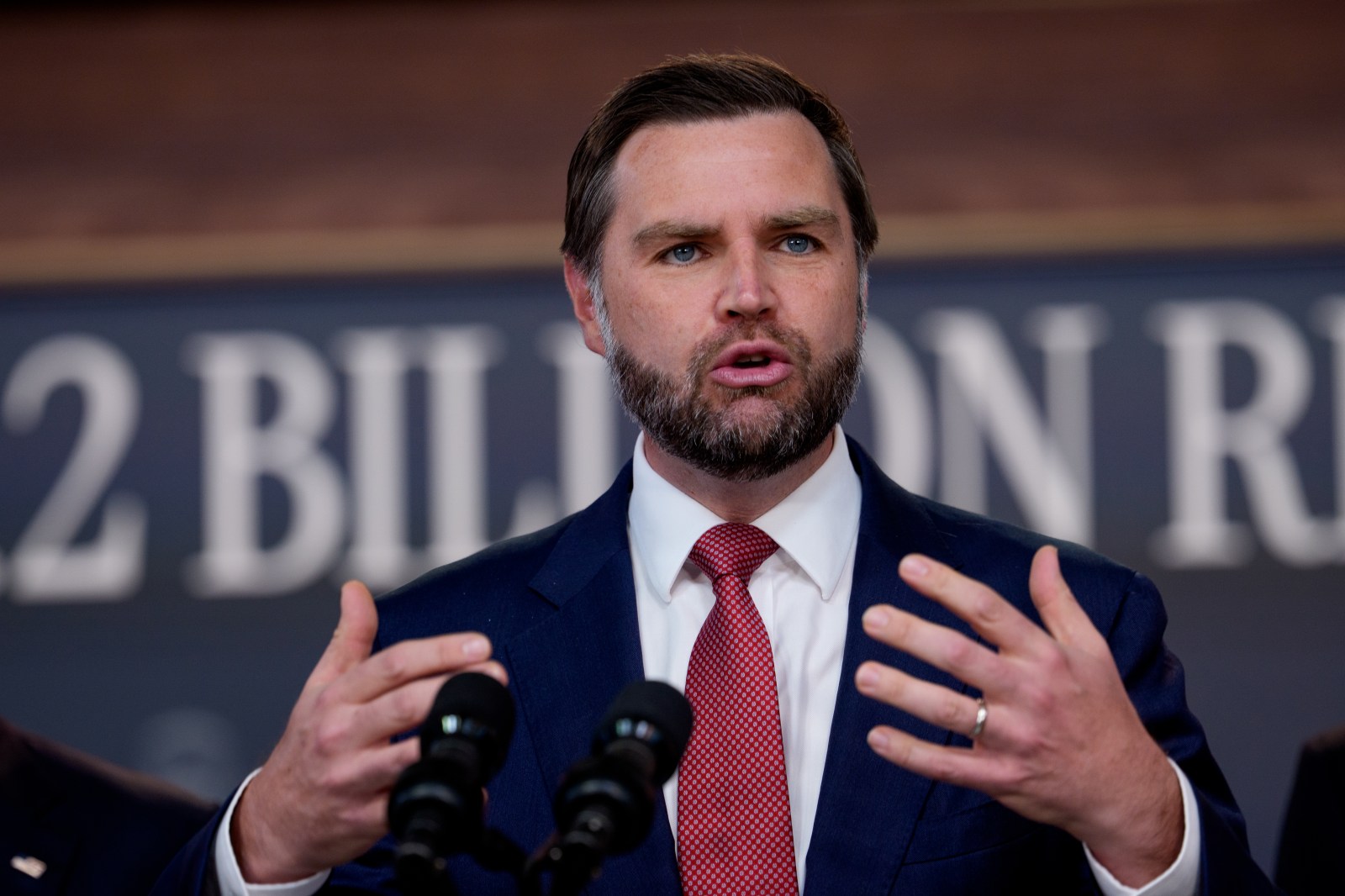
The Trump administration is exploring measures to prevent companies from replacing American workers with foreign employees through the H-1B visa program. Vice President JD Vance, appointed by Trump as the “fraud czar,” emphasized that authorities are scrutinizing employers’ layoff records. This initiative aims to restrict the H-1B visa use that allows companies to hire lower-paid foreign labor.
Vance highlighted the paradox of companies claiming a lack of available workers while having laid off thousands of employees. Such practices are under investigation to ensure the H-1B program supports its purpose.
Changes to the H-1B Visa Program
Recent modifications to the program focus on a weighted selection system prioritizing higher-paid positions, expansion of biometric fees, and elimination of rules allowing foreign workers to remain in the U.S. post-layoff. President Trump signed an executive order to intensify scrutiny on H-1B petitions, particularly in scenarios where U.S. workers might be displaced.
This involves federal agencies examining layoffs by employers when reviewing applications and petitions. Enhanced oversight has resulted in several suspensions and investigations into companies potentially misusing H-1B visas.
Financial Implications and Legal Actions
The Department of Homeland Security proposed a substantial charge of $103,265 on cap-subject petitions, in addition to existing fees. Despite expected yearly filings by employers, DHS contends that businesses equipped to use H-1B visas can absorb such expenses.
The proposal is distinct from a previously imposed $100,000 payment requirement, deemed unlawful by federal courts, with ongoing appeals. Trump extended the requirement, emphasizing it as a safeguard for American workers.
Mixed Opinions on H-1B Program
While the administration maintains these changes benefit skilled foreign workers and protect U.S. jobs, critics argue about potential negative impacts. Some contend that constraints may push businesses to relocate jobs abroad.
Vance noted limitations exist without congressional approval, prompting ongoing debates among lawmakers regarding H-1B reforms. The program’s future remains uncertain, with a focus on balancing local workforce needs and global competitiveness.