
Transportation Secretary Sean Duffy recently addressed the challenges and innovations in transportation technologies. He highlighted issues related to drone incidents near airports, referencing a collision involving JetBlue, and discussed ongoing investigations. Duffy introduced new Federal Aviation Administration (FAA) technology aimed at enabling civilian supersonic flights to reduce travel times. He emphasized innovations in autonomous vehicles and drone deliveries while stressing the importance of balancing safety with technological advancement across the nation.
The Appeal of Air Taxi Travel
If you’ve spent time stuck in traffic, flying over it likely seems appealing. In Texas, testing is underway to explore this possibility. The Texas Department of Transportation (TxDOT) has initiated Project Nexus, a three-year program aimed at preparing next-generation aircraft for deployment in Texas skies.
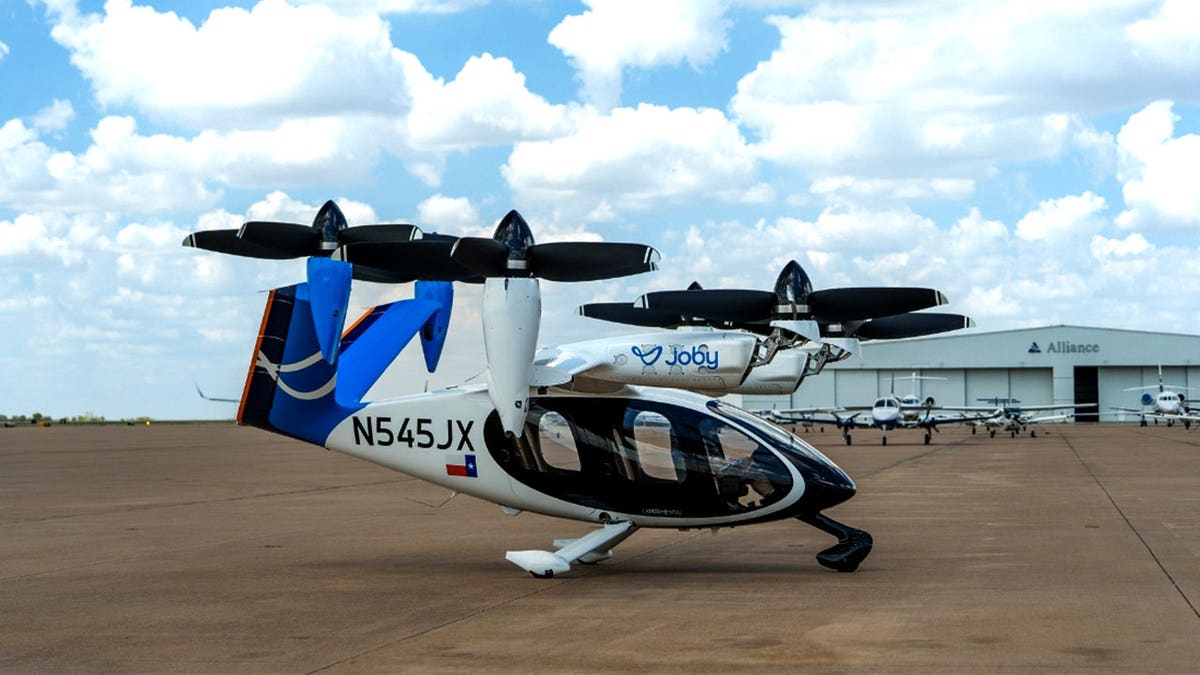
The launch event on September 10 at Perot Field Fort Worth Alliance Airport featured demonstrations from BETA Technologies and Joby Aviation. Joby showcased its electric vertical takeoff and landing aircraft, known as an eVTOL. During the initial flights of Project Nexus, no passengers were onboard. Texas is beginning to assess how air taxis could eventually transform transportation.
Texas Air Taxi Testing Begins
Project Nexus will unfold in phases over three years. The initial phase involves traditional aircraft like helicopters and fixed-wing planes to test routes and gather data. According to TxDOT, these flights will help validate pathways and prepare for future advanced air mobility operations. Joby has also embarked on a week-long campaign of piloted electric air taxi flights across North Texas as part of the federal eVTOL Integration Pilot Program. The campaign included planned direct flights into DFW International Airport, a round trip to Arlington, and a route connecting Alliance Airport with Toyota Motor North America’s headquarters in Plano.
DFW as a Real-World Testing Ground
Flying air taxis around Dallas-Fort Worth poses unique challenges compared to isolated test sites. The campaign included planned missions between Perot Field Fort Worth Alliance Airport and various regional destinations. Both the company and federal researchers have been preparing for this operation for years. The FAA and NASA began examining electric air taxi integration in North Texas in 2018.
Joby’s lease on a 45,000-square-foot facility at Perot Field Fort Worth Alliance Airport establishes a long-term operational presence in North Texas. This facility supports ongoing operations well beyond the initial flight campaign.
Beyond Commuting: Medical Logistics Potential
Project Nexus’s focus extends beyond personal commuting. Future phases are set to prioritize medical and cargo logistics. Specifically, TxDOT aims to transport critical medical supplies and organs between rural facilities and urban medical centers in cities like Austin and San Antonio. This use case shows tangible value for technology, delivering time-sensitive medical supplies while passenger operations continue to develop.
Passenger Service in the Future
Eventually, Project Nexus plans to introduce passenger flights, involving air taxi connections in the Texas Triangle: Dallas, Austin, San Antonio, and Houston. However, commercial passenger service doesn’t yet have a firm date as certification work remains. Joby has advanced into the final stage of FAA type certification, continuing testing as part of this process.
National Efforts for Air Taxi Integration
While Texas garners attention, Project Nexus forms part of a broader federal effort. Eight projects across 26 states focus on passenger travel, cargo, and medical transportation. The FAA, alongside other entities, continues testing in various regions, including the pilotless hybrid-electric Chaparral cargo aircraft by Elroy Air.
As air taxi testing spreads, the crucial question is whether these trials will pave the way for wider adoption across different regions. This moves from isolated tests to everyday operability for residents.
Considerations for Everyday Use
If air taxis come to your area, consider whether they truly simplify life. Skipping over traffic sounds appealing, but convenience depends on takeoff and landing locations, costs, and real-time savings. Noise is also a factor; although quieter than helicopters, the regular presence may be noticeable.
Safety remains paramount. Texas tests offer insights into how these aircraft operate in busy airspaces, a necessary step before regular passenger flights begin. Observing these tests provides valuable insights into whether air taxis can blend into existing travel models.