
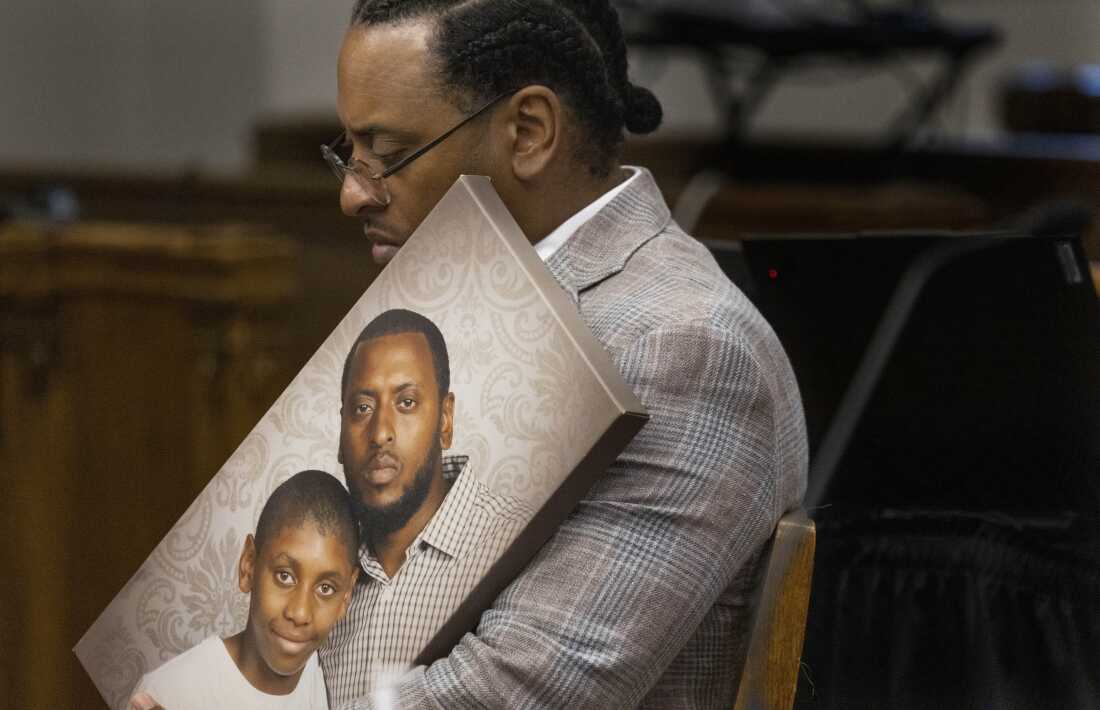
Antonio Mays Sr. stands in Superior Court at the King County Courthouse in Seattle, holding a picture of himself and his son, Antonio Mays Jr. The date is December 10, 2025, and the event reflects a tragic moment in Seattle’s history that remains unresolved.
Rewind to the early hours of June 29, 2020. Protesters gathered at an encampment in Seattle’s Cal Anderson Park, monitoring a stolen white Jeep moving erratically. Many tents formed the Capitol Hill Occupied Protest, or CHOP, an area where demonstrators had set up a zone after Seattle police vacated a precinct amid George Floyd protests. Tensions were high due to prior incidents of violence in the area.
The scene became chaotic as the Jeep came dangerously close to tents, causing panic among the protesters. This fear led to a fatal confrontation involving Antonio Mays Jr., age 16, who was shot and killed. Robert West, 14, suffered critical injuries. Another teenager escaped with a graze wound. The protest zone’s makeshift security responded to perceived threats amid law enforcement’s absence.
A prominent idea in the zone was self-defense.
CHOP, which lasted 23 days in 2020, represented a protest hub following the murder of George Floyd. It featured a mix of initiatives like movie nights and mutual aid stations, transitioning into a site marked by fear and gunfire. Live broadcasts captured the moments when shots were fired, adding layers to the complex narrative of Antonio Jr.’s death.
Reports state the white Jeep was stolen, escalating the situation infinitely. Despite video evidence, Antonio Jr.’s death remains unsolved, with no arrests or charges filed. An 18-month comprehensive investigation found no evidence supporting claims that those in the Jeep attacked protesters.
Details of Antonio Jr.’s journey to Seattle emphasize his commitment to racial justice. He left California claiming a cause worth fighting for. Despite his peaceful speeches, he perished under suspicion of hostility during a critical moment at CHOP.
Security footage illustrates the tumultuous confrontation, yet fails to definitively confirm or deny the claims of gunfire originating from the Jeep. Regrettably, inefficiencies in investigation and examination left critical aspects unclarified.
As many continue to claim Antonio Jr. represented an external threat, substantial evidence counteracts these assertions. No concrete links have tied him to aggressive actions.
The tragic narrative remains blemished by unclear actions post-shooting. Testimonies suggest a challenging aftermath, with responders facing mixed messages, causing potentially life-altering delays.
Efforts to process the scene were complicated, with footage showing disturbances at the crime site. Critical investigations indicated that site tampering hindered further insights.
Authorities have faced difficulties securing cooperation and conclusive testimonies, raising ongoing pleas for witness engagement. However, the reluctance among those with potential knowledge has obscured truths.
As significant time has passed, the tragedy of Antonio Mays Jr. continues to resonate profoundly, supported by investigation efforts yet extending into unresolved spheres.
This account includes perspectives gained from an extensive review, drawing focus to nuanced dynamics and ongoing societal implications relevant to Antonio Jr.’s tragic loss.