
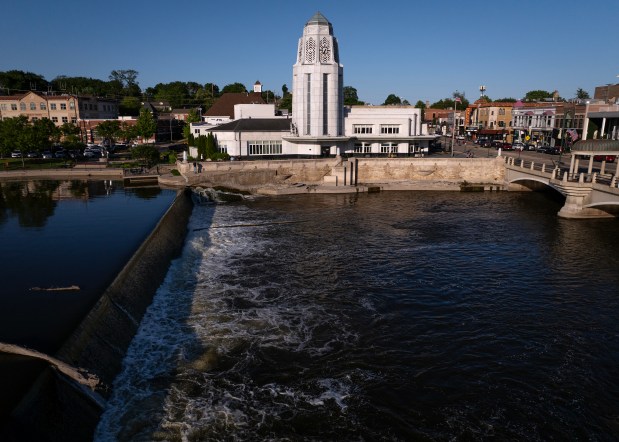
Brian Pohrte discovered kayaking after the COVID-19 pandemic. A resident of St. Charles for many years, he initially engaged in biking with his family to enjoy the outdoors. Later, he ventured into paddling. “We’ve got the Fox River right there,” he stated, referring to the local resource he passes daily.
Pohrte, aged 42, soon joined the St. Charles Canoe Club, a fitness club focused on kayaking and other paddle sports. He frequently enjoys kayaking along the river, but recent developments have stirred concern over the Fox River’s future.
The Controversial Dam Removal Plans
The state and federal governments have proposed removing several dams from the Fox River, located in Chicago’s western suburbs. The U.S. Army Corps of Engineers has studied the possibility of dismantling these structures. Benefits cited for removing the dams include enhanced public safety, improved water quality, and better wildlife habitats.
Opposition has risen due to concerns about the potential negative effects on recreational activities, property values, and local communities along the waterway. An initial Army Corps recommendation in 2023 triggered community backlash, prompting further study and review.
History of Fox River Dams
The Fox River dams stretch from Elgin to South Elgin, St. Charles, Geneva, Batavia, North Aurora, Aurora, and Montgomery. Most were constructed in the 1800s for flour mills or sawmills that no longer exist. These low-head dams create dangerous underwater currents, leading to drownings and accidents. Consequently, Illinois has previously removed around 30 dams statewide, including the Carpentersville dam.
The dam removal movement aims to restore free-flowing rivers, targeting improved water quality and increased aquatic biodiversity.
Army Corps Study and Funding
In 2023, the Army Corps suggested removing nine dams along the river to restore its natural flow. The Carpentersville dam has been removed. Maintaining the Fox River’s northern portions may preserve motorboating activities, while lowering water levels could benefit recreational paddling.
The dam removal costs are projected at just under $16 million, with the Army Corps covering up to 65% of each dam’s removal costs.
Local and Federal Challenges
Delays in the federal government’s feasibility study have compounded local resistance. A pause has been attributed to budget constraints. Emails revealed the study’s pause in October. Federal decision timelines remain unclear.
Legislative and logistical concerns are prevalent regarding funding. Though Illinois allocated $20 million for dam removal, securing federal contributions remains uncertain.
Municipal Responses and Public Views
Municipalities remain hopeful for funding help and final results. Meanwhile, some have undertaken independent actions regarding dam management.
Batavia, for instance, owns its dam and has sought state assistance. Improvements to the structure are made for insurance compliance, awaiting removal approval.
Geneva is yet to commit to dam removal. St. Charles has chosen to preserve its impoundment while awaiting federal study outcomes.
Public opposition primarily revolves around recreational concerns. Pohrte, from St. Charles, stresses the importance of kayak access and prefers case-by-case assessment over blanket dam removal.
Despite mixed public views, the Fox River Study Group continues research on potential removal impacts.
Future Outlook
The progress and funding surrounding the Fox River dams remain uncertain. Local groups push for educational campaigns to enhance public understanding. Pohrte expressed fatigue over prolonged uncertainty. Batavia, meanwhile, awaits federal study results for potential removal funding support.
While local policymakers strive for solutions, the federal status of dam removal stays on hold. The situation illustrates an opportunity for reimagining the area’s recreational core.