
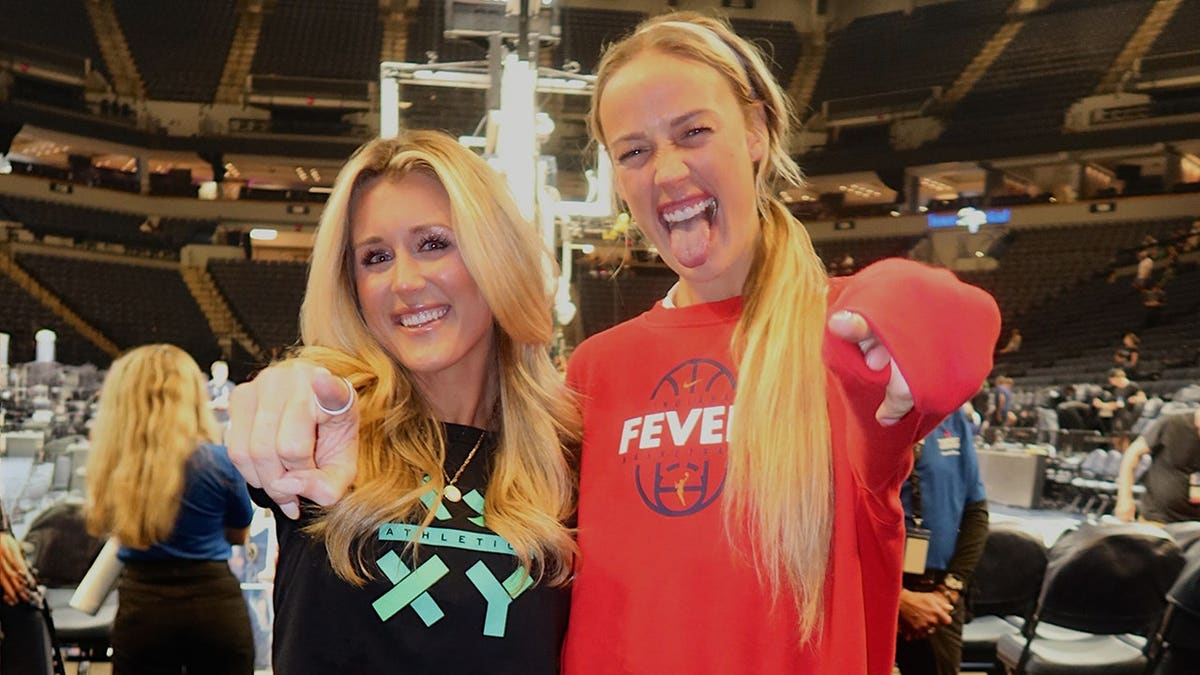
On a recent episode of The Riley Gaines Show, host Riley Gaines explored the contradictions that emerged from the 2026 election results. While Democrats celebrated their victories, several ballot measures on biological sex and women’s sports in states like Colorado, Washington, Arizona, and Nebraska suggested a different narrative. These developments indicate a growing rift between voters’ economic concerns and their views on cultural issues.
Voters sent a clear message on a key cultural issue: keep men out of women’s sports. This stance was evident in election results across states such as Arizona, Colorado, Nebraska, and Washington, where measures to protect female athletic competition based on biological sex received support. Notably, Colorado and Washington, typically seen as strongholds for progressive agendas, also backed these measures. This indicates that voters may support Democrats politically but diverge on specific cultural issues.
“For years, elected Democrats and their allies insisted that protecting women’s sports is an extreme position. Yet, the election results tell a different story.”
Despite Democratic control, there is a disconnect between the political narratives and voter sentiments when it comes to cultural topics. This divide was evident in Colorado’s sports initiative, which saw proponents overcoming substantial financial disparities in campaign funding.
WNBA player Sophie Cunningham’s experience highlights this cultural shift. Her support for women’s sports protections bolstered her public profile rather than damage it. Her rising visibility suggests that expressing common-sense views on women’s sports is no longer seen as controversial, challenging the notion that such views could end careers.
In terms of broader political implications, the election results highlight a pressing issue of affordability that Republicans must address. Voters expressed concerns about escalating living costs and stagnant economic opportunity, challenges that can sway votes regardless of cultural stances. Dismissing these economic anxieties as unwarranted would be counterproductive for any party.
In purple states like Pennsylvania, where Republican hesitation on women’s sports protections has been palpable, the election results offer a compelling case to prioritize this issue. While progressive initiatives face ongoing opposition, the public’s direct say in these matters shows that the electorate often diverges starkly from political elites.
As Democrats assume control, their challenge will be to demonstrate that their priorities align with voters’ daily realities. Meanwhile, Republicans must shift their focus toward actionable solutions for economic concerns while recognizing that cultural alignment doesn’t automatically secure electoral success.
Riley Gaines concludes that while Democrats may have won electoral seats, they have yet to win the cultural dialogue. The electorate’s stance on women’s sports serves as a reminder that cultural convictions can often outlast electoral cycles.