
The 13 original colonies often receive much attention for their role in American history. However, significant events were also unfolding on the West Coast in 1776. Far from the eastern seaboard’s historic sites, California’s future was taking shape.
The Spain Missions in California
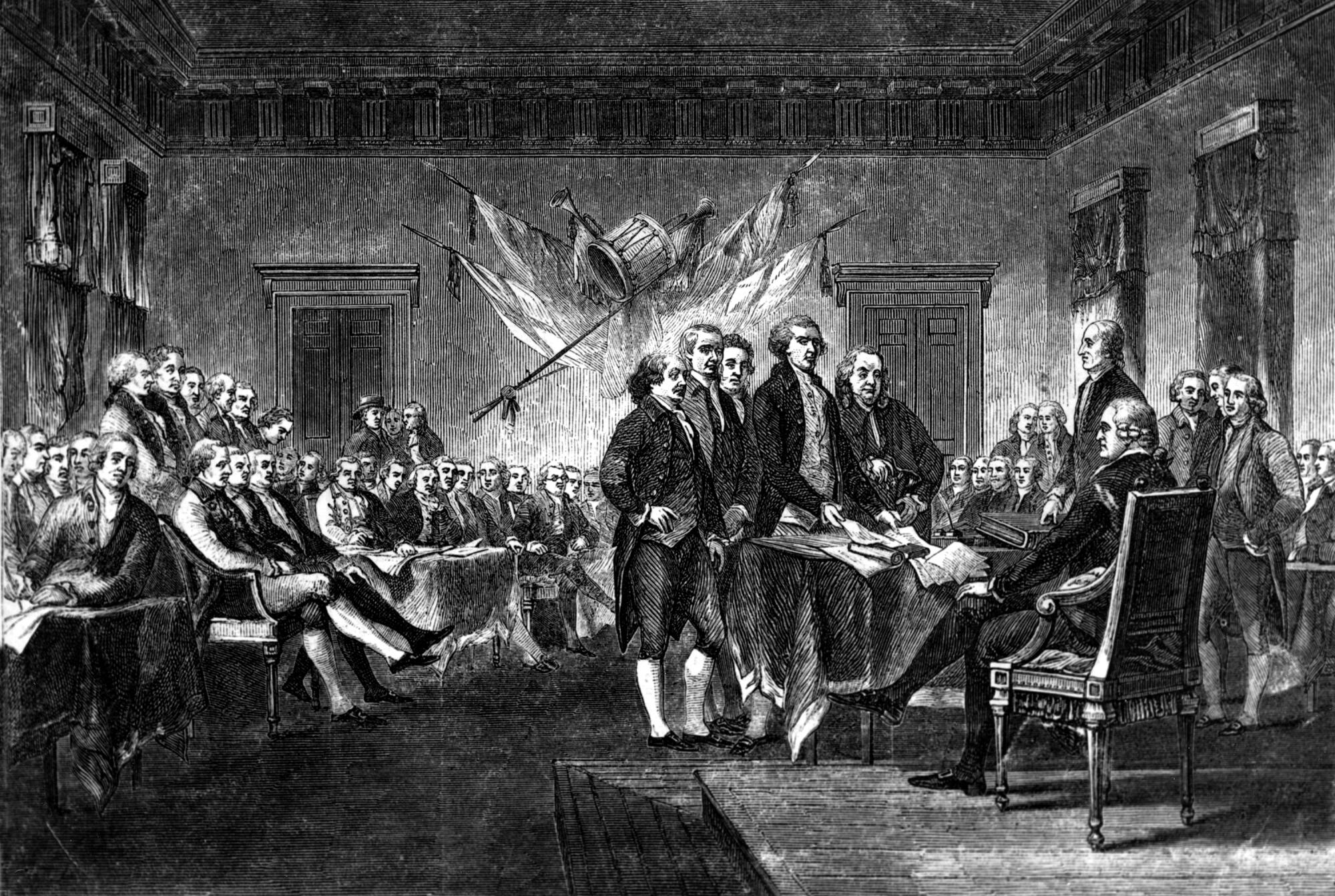
In 1776, while the Continental Congress discussed the Declaration of Independence, California was under Spanish influence. The Spanish were expanding their mission-building efforts across the region. San Gabriel mission construction began, following an earlier failed mission established in a flood zone.
On June 29, 1776, on the same day the Declaration was being considered, Spain’s representatives celebrated the first mass of Mission Dolores in San Francisco. This event marked the beginnings of their settlement, laying the groundwork for Spain’s religious and imperial presence in California.
Impact on Native Americans
For Native American tribes like the Ohlone, this development was challenging. Historian Alec Scott highlighted that what might have seemed like progress for settlers brought hardships for indigenous people. The era kickstarted a series of detrimental changes for Native Californians.
Influence of Spanish and Mexican Laws
Spanish and Mexican traditions significantly differed from those in the Eastern U.S., influencing California’s early constitution in 1849. Despite entering the union as a free state, California adopted principles from Mexican law, such as slavery bans and women’s property rights. Article I, Section 18, prohibited slavery, drawing stark contrast with the original U.S. Constitution, which upheld servitude.
The Role of Race and Ethnicity
Understanding who was considered a white male was complex. The U.S. and California constitutions allowed voting rights to white men; however, this term included Mexican Californians upon joining the U.S. The Latino culture challenged the one-drop rule of racial identity, introducing a more fluid perspective on race.
David Hayes-Bautista, a scholar on Latino culture, noted the intricacies of racial classification in historical censuses. Misguided definitions often determined an individual’s race based on a census taker’s observations rather than the respondent’s ethnicity.
Water Rights in California
California’s water policies have roots in Spanish and Mexican practices. Initially governed by riparian rights, landowners could use water that flowed through their property for immediate needs but could not store it.
The gold rush era brought new challenges. The state adopted appropriative rights, allowing water diversion for mining. Water rights remain a contentious issue, evolving into legal battles over time.
Ongoing Legacy of the 1849 Constitution
California’s 1849 constitution, though revised often, introduced progressive elements that endure today. Even though bilingual official documentation was removed, many original principles reflect the country’s current values.
The state’s progressive history and laws continue to influence not only California but the nation at large.