
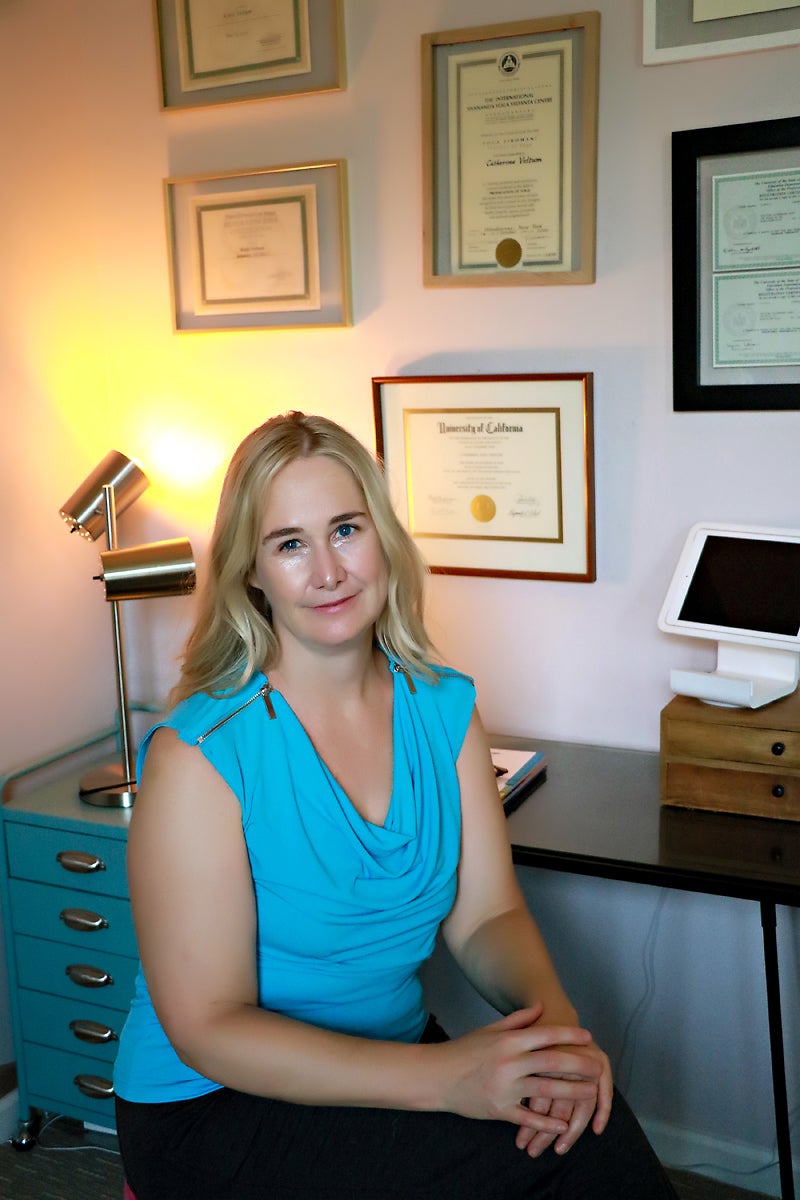
For nearly 30 years, I have been a massage therapist, understanding deeply the value of touch. Social affective touch, such as that from a massage, a friendly hug, or a compassionate pat, reduces social isolation. This becomes crucial as our world grows more disconnected.
I often see how a tense body relaxes under touch, paving the way for mental peace. Breathing shifts as the nervous system calms. Muscle tension eases, and facial furrows soften. Massage not only comforts my clients but soothes me too. In my twenties, during a profound time of grief after my mother’s sudden loss, massage provided solace beyond talk therapy. It supported the parts of me holding onto memories with her.
Massage therapy helps build interoceptive skills, crucial for sensing and managing internal body cues. According to Dr. Cynthia Price from the University of Washington, better interoception means improved emotional regulation and a strong sense of well-being.
Men, in particular, need this work. Yet, I’ve stopped accepting male clients unless they were previously known and trusted. While I’ve encountered many respectful male clients, societal misconceptions blur therapeutic and sexual touch. The term “massage” is misused by those in illegal services, leading some men to misunderstand our work.
Comments about “happy endings” or the misuse of massage for discretion are particularly upsetting.
All touch-based professionals, from doctors to therapists, face dangers from these misunderstandings. An unsettling incident involved a man misusing an abdominal massage session, leading to a nonconsensual situation. This manipulation of the therapeutic space deeply affected me, pushing me to reconsider client selection.
In peer and professional circles, stories of inappropriate behavior from male clients are common, prompting some, like me, to reconsider accepting male clients. Despite various screening measures, countless interactions generated stress and anxiety, clouding the therapeutic space.
After years of deliberation, I considered focusing solely on female clients. The unfairness to respectful men conflicted with my need for security. Although concerned about potential financial impact, the decision brought relief.
This wasn’t about personal dislike of men. It’s about ensuring a safe, comfortable environment for myself and my clients. By refocusing my practice, I offer better therapy to my clients and enjoy peace of mind. One client noted feeling safe with a practice oriented towards women. Although some men miss out on valuable therapy, prioritizing my well-being allows me to better support those I serve.