
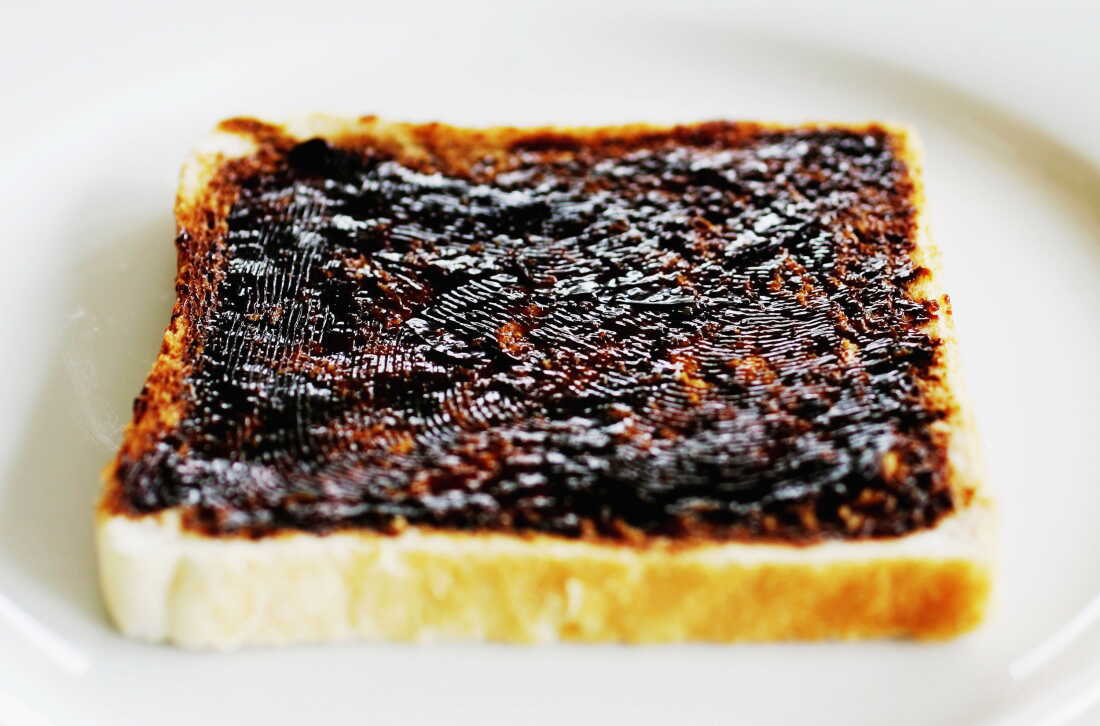
Vegemite, a well-known Australian culinary specialty, is a concentrated yeast extract that originated as a by-product of the beer brewing process. This sticky, salty condiment has been a staple in the Australian breakfast scene for a century.
Recently, Vegemite made headlines when a convicted killer in Victoria sued the state for the right to consume the spread while incarcerated. In Victoria’s prisons, Vegemite is banned, as reports suggest its strong scent can be used to confuse detection dogs and make illicit alcohol. The inmate argues that this restriction breaches his human rights. The state’s Supreme Court is currently considering the case, with no ruling announced yet.
Vegemite has become synonymous with Australia and is known for its intense salty flavor. This has sparked much debate over how it should be spread on toast. Cyril Callister, an inventive food scientist, developed Vegemite in Melbourne after World War I. At that time, the British yeast spread, Marmite, was in short supply, prompting the innovation.
“You’ve got to be careful. Too much, if you’re a first-time user, is not going to end well,” cautions Jamie Callister, the inventor’s grandson.
For Jamie, Vegemite evokes fond childhood memories, recalling how his father used it in ways similar to ketchup. In the 1950s, an advertising jingle cemented Vegemite’s status as a household essential in Australia. In today’s culinary scene, chefs experiment with it in pasta and curry dishes.
Kiamba Briscoe, a bartender at New Gold Mountain bar in Melbourne, takes Vegemite experimentation further. He creates a cocktail by boiling down chardonnay to remove the alcohol and mixing it with a generous scoop of Vegemite. The result is infused and strained to produce a drink that resembles a dirty martini and invokes the familiar taste of buttered Vegemite on toast.
While intriguing to many, this Vegemite cocktail is certainly an adventurous choice. It is unlikely to be found in any Australian prison menu anytime soon.