
Efforts to Enable Voting Access for Vulnerable Groups
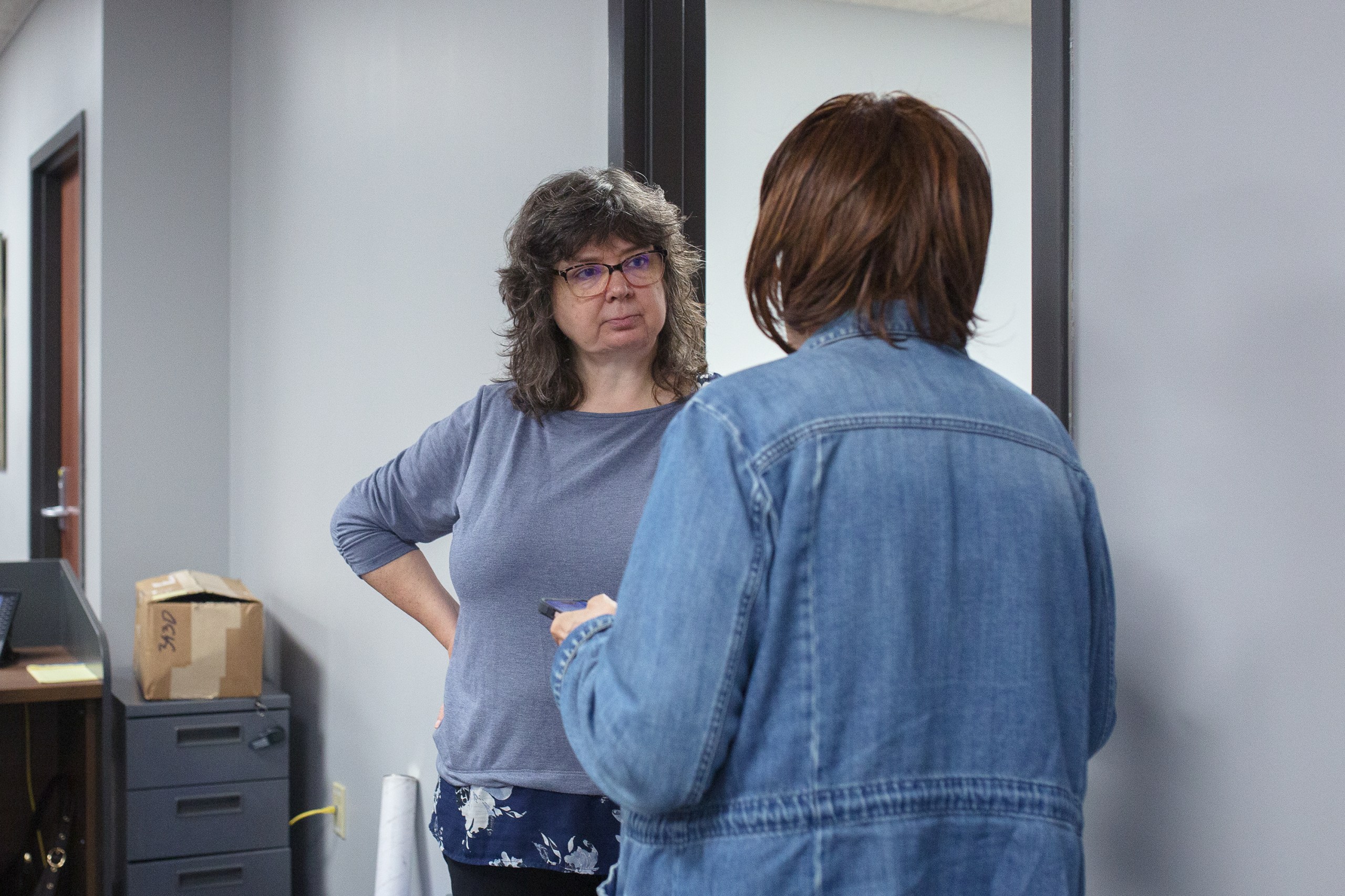
Amy Miller from Disability Rights Nebraska plays a crucial role in ensuring voting access for elderly and disabled individuals across the state. As an attorney in her organization, Miller visits nursing homes and assisted living facilities, inspecting their quality and addressing abuse or neglect concerns. Additionally, she offers voter registration forms, helping residents exercise their right to vote.
Recently, Miller assisted a veteran with a traumatic brain injury, enabling him to register his change of address to vote in upcoming elections. Despite difficulties writing due to his condition, he was clear about his voting preferences. Miller’s work receives funding from Congress, supporting efforts to include people lacking internet or transportation access in the democratic process.
Proposed Changes Threaten Current Initiatives
However, a proposal from the White House Office of Management and Budget places this work at risk. The suggested alterations would prohibit federal grant money usage for voter registration drives and related activities. Russell Vought leads the office and has previously criticized taxpayer money used for these efforts. He has redirected or frozen significant federal funding, diverging from Congress’s directives.
Miller, who has been with her nonprofit for six years, expressed disbelief at the attempt to impede their work. She sees the proposal as part of broader efforts by the Trump administration to limit federal programs expanding voting access among groups facing historical discrimination.
Impact on Federal and Nonprofit Initiatives
President Trump’s SAVE America Act introduces more restrictive registration requirements. It mandates proof of citizenship for voter registration, potentially requiring that proof be presented in person, which could end non-governmental voter registration drives. These constraints were temporarily lifted during litigation, and federal work-study dollars supporting voting initiatives faced similar restrictions.
The rescindment of an executive order by President Biden aimed at enhancing registration opportunities further illustrates this tension. Vought’s office did not respond to queries regarding these changes, though in past communications, he labeled Biden’s order as an attempt to increase turnout among Democratic supporters.
Potential Legal and Operational Consequences
Legal experts anticipate challenges to the proposed rule due to contradictions with existing laws like the Help America Vote Act of 2002. This law was key in addressing voting challenges post the controversial 2000 election and for securing grants aiding disabled individuals in voting processes.
Institutions and nonprofits receiving federal funds for other services may find themselves in a difficult position regarding voter outreach if the changes take effect. The proposal could push organizations to reconsider their registration efforts due to compliance uncertainties.
Disability Rights Nebraska’s Nonpartisan Work
Receiving $141,000 in accessibility funds this year, Disability Rights Nebraska highlighted in public comments the adverse effects such restrictions would have on voter registration services they provide. The nonprofit maintains strict adherence to nonpartisan efforts by law.
Miller recounted visiting a rural facility where a man eagerly registered for voting after realizing his newfound accessibility. She wishes lawmakers could witness these impactful moments, emphasizing the significance of her organization’s mission.