
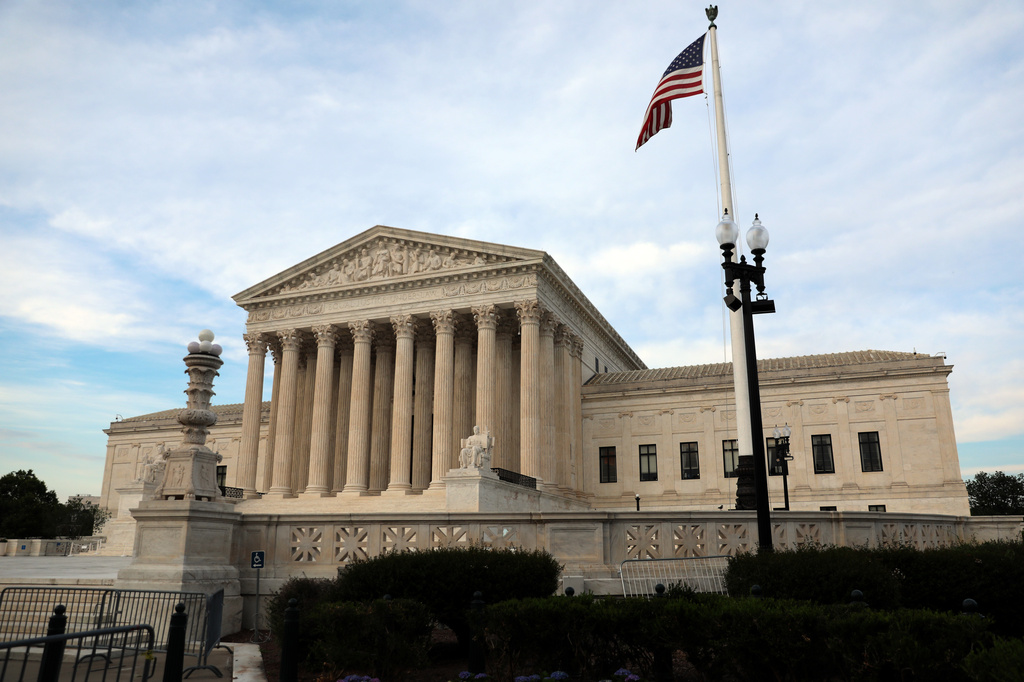
In a landmark case, the U.S. Supreme Court has scrutinized the fairness of government practices in seizing properties over unpaid tax debts. This case centers on the Pung family, whose home in Isabella County, Michigan, was sold for $76,000 to cover a disputed tax debt of roughly $2,000. The property was subsequently resold for $195,000, leaving the Pung family with less than half the market value of their home.
Justice Clarence Thomas commented on the situation as likely unconstitutional. The court has sent the case back to a lower court to evaluate the auction’s fairness. The Pungs had argued that the Fifth Amendment should entitle them to the fair market value of their property. However, during court discussions, it became apparent that some justices were hesitant to enforce fair market compensation in every instance, noting that forced sales often result in lower prices.
Justice Samuel Alito humorously questioned whether the government should assess individual assets, like a Peloton or a large TV, before seizing a home. Despite the light tone, it emphasized the need for alternative measures before resorting to home seizures, especially for minor debts. For example, a Michigan home was seized over an $8 underpayment.
Constitutional obligations accompany the government’s rare act of seizing property for tax debts. Different states have implemented fairer auction protocols, such as ensuring market-rate listings and setting minimum prices.
The Supreme Court unanimously agreed that such seizures must adhere to fair processes. Michigan’s auction process was criticized for enabling low sale prices by preventing homeowners from bidding and not requiring minimum bids or pre-auction assessments.
The court also highlighted that auction schemes lacking due diligence, delaying sales amid falling prices, or engaging in ‘sham’ sales don’t meet constitutional requirements, which demand ‘just compensation.’ The 6th Circuit Court of Appeals will now determine if the Pung family receives adequate restitution.
Anastasia Boden, Director of Constitutional Scholarship at the Pacific Legal Foundation, represents the Pungs. This case may guide future property seizure practices to ensure fairness and uphold constitutional rights.