
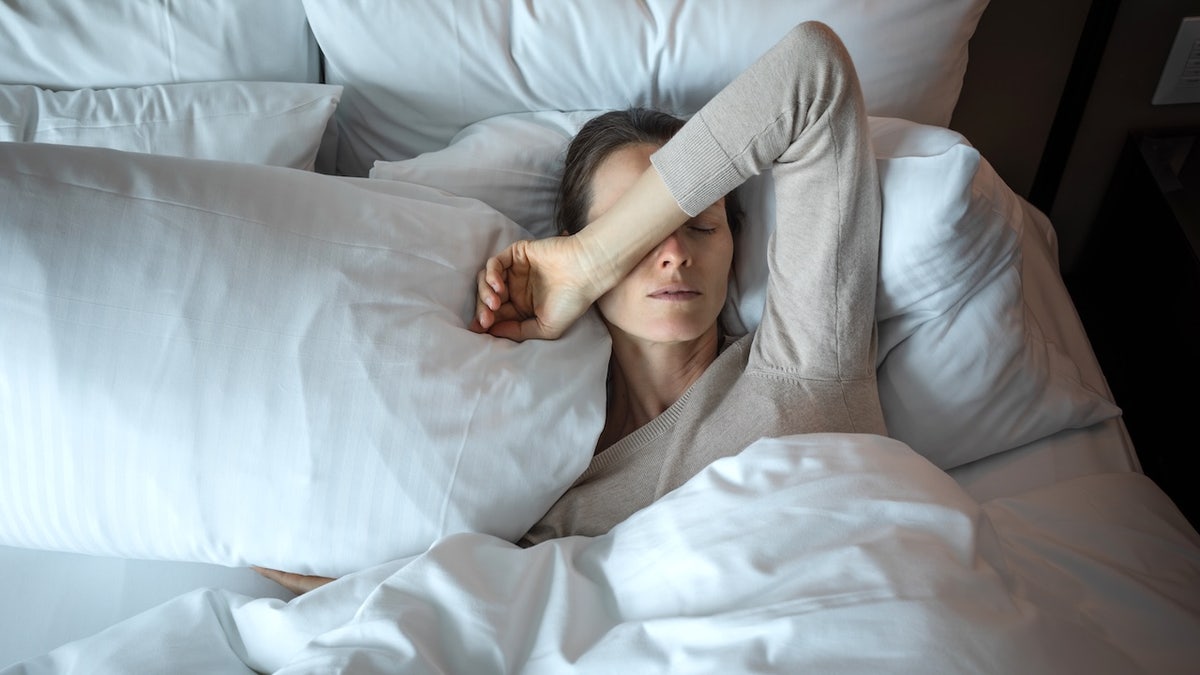
Research indicates that an individual’s sleep patterns might help identify a newly proposed subtype of depression connected to the body’s internal clock. A study involving 11,380 Australian adults with a history of depression revealed that 23% met the criteria for what researchers call ‘circadian depression.’
Characteristics of Circadian Depression
The participants displayed at least three of six features associated with circadian depression:
- Being an evening person
- Waking up feeling tired
- Sleeping longer during depressive periods
- Experiencing seasonal changes
- Having a later midpoint between sleep and wake times
- Experiencing ‘social jetlag’
Seasonal changes could affect sleep, mood, activity, appetite, weight, or energy levels.
Study Findings
Published on Oct. 20 in The British Journal of Psychiatry, the study aims to contribute to personalized care for those with depression. Emiliana Tonini, Ph.D., from the University of Sydney’s Brain and Mind Centre, highlighted the importance of distinguishing various subtypes to provide effective treatments.
The label ‘circadian depression’ is not yet a formal diagnosis. Further independent studies are required for validation.
Challenges in Treatment
Individuals classified under the circadian group reported an earlier onset of depression and heavier symptoms. They often experienced weight gain during depressive bouts and had poorer responses, alongside more side effects, when using SSRIs and SNRIs. Although the study did not explore treatments targeting the internal clock, aspects such as light exposure, regular sleep schedules, and melatonin-based methods require more research.
Broader Implications
Dr. Ian Hickie, a co-author of the study, noted that the proposed profile intersects with atypical and bipolar depression, sharing common features. Bipolar depression involves alternate episodes of elevated mood, while atypical depression often results in weight gain.
The study could not conclusively determine whether body-clock disruptions cause depression or result from it. Participants with the circadian profile reported additional manic-like experiences. John Puls, a psychotherapist, stated that SSRIs might exacerbate these symptoms, impacting sleep adversely.
Study Limitations and Considerations
The study acknowledged several limitations. Participants reported their sleep and treatment experiences, leaving the timing of sleep disruptions and depressive symptoms unclear. All participants were of European ancestry, raising questions about generalizability.
Jillian Amodio, a psychotherapist, advised against using these findings as a standard treatment benchmark. She stressed the importance of considering biological, environmental, social, and psychological factors. Future research should encompass diverse populations and account for variations in work schedules, time zones, and seasons.
The research involved collaboration between the University of Sydney, QIMR Berghofer Medical Research Institute, and institutions in Australia, the U.K., and the U.S.