
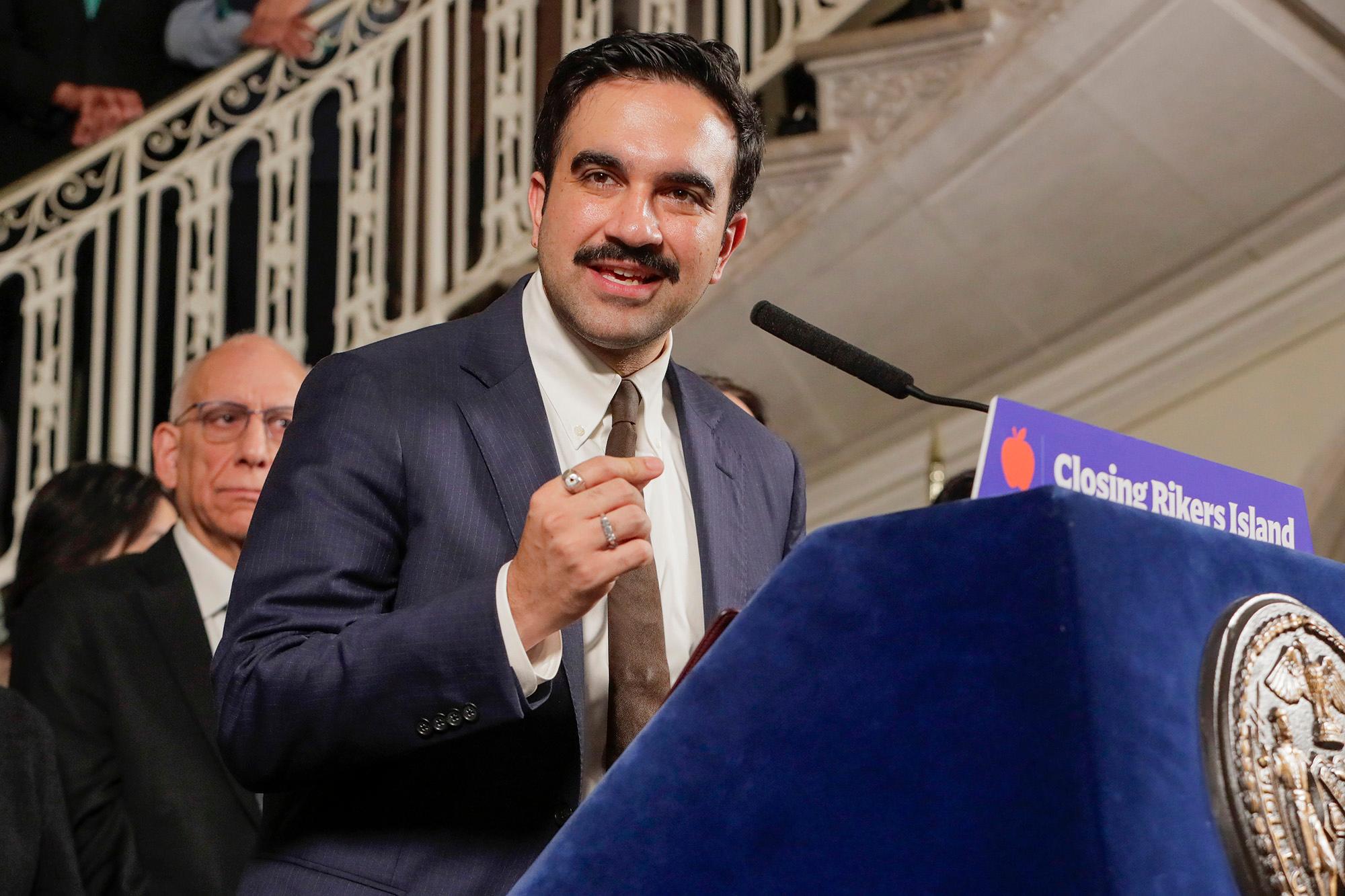
Mayor Zohran Mamdani recently reaffirmed New York City’s ambitious plan to shut down the Rikers Island Jail Complex by the year 2032. This announcement took place at a press conference inside City Hall on November 20, 2026.
To replace Rikers, the city plans to construct 4,100 borough-based jail cells. However, critics argue these cells are inadequate for a sprawling metropolis like New York, with 8.5 million residents and nearly 500,000 reported crimes annually. Mayor Mamdani has emphasized strategies known in progressive circles, such as expediting case processing, enhancing alternative-to-incarceration programs, and improving bail accessibility.
One critical omission in the mayor’s statements is a detailed assessment of Rikers’ current inmate demographics. Presently, Rikers holds 6,640 inmates. Of these, about 1,100 are city-sentenced prisoners or parole violators expecting transfer to state facilities, making early release difficult.
In today’s scenario, new borough jails would have 3,000 beds available for 5,606 defendants awaiting trial.
Examining those awaiting trial, there are 1,433 charged with murder and 2,625 with violent felonies like robbery, assault, or rape. This total of 4,058 defendants nearly matches the 4,100 beds planned, leaving limited room for those charged with less severe crimes.
If only 3,000 beds are available, approximately 1,000 defendants accused of severe crimes might need release. Additionally, current inmates involved in non-violent felonies or misdemeanors would be released to make room for more serious offenders. Those slated for release under this plan often have multiple prior offenses.
After bail reform laws in 2019, amended subsequently, set stringent conditions for setting bail on non-violent offenders. Even under such reforms, only certain repeat offenders have bail set, contingent on specific criteria.
Mayor Mamdani faces criticism for possibly downplaying the impacts of anti-Rikers movements. The 2019 bail reforms led to the release of numerous non-violent offenders, corresponding with a rise in such crimes. During the pandemic, releasing violent offenders coincided with an uptick in violent crime, which remains 20% higher than pre-reform levels.
Critics, including retired prosecutor Jim Quinn, argue the city’s court system is in disarray. Since 2019, NYC’s pending criminal cases surged by over 13,000, a 41% increase. Speedy-trial dismissals skyrocketed by 620% compared to a mere 75% increase outside the city.
The mayor’s plan, termed as a pioneering initiative, faces skepticism. Documents overflowing in city offices propose similar plans, with historical figures like Judge Jonathan Lippmann and previous mayors presenting almost identical strategies.
The city must prepare for contingencies like building an additional 5,000-bed facility if current plans falter.
This article reflects perspectives on the evolving criminal justice dynamics within New York City, a subject of ongoing debate.