
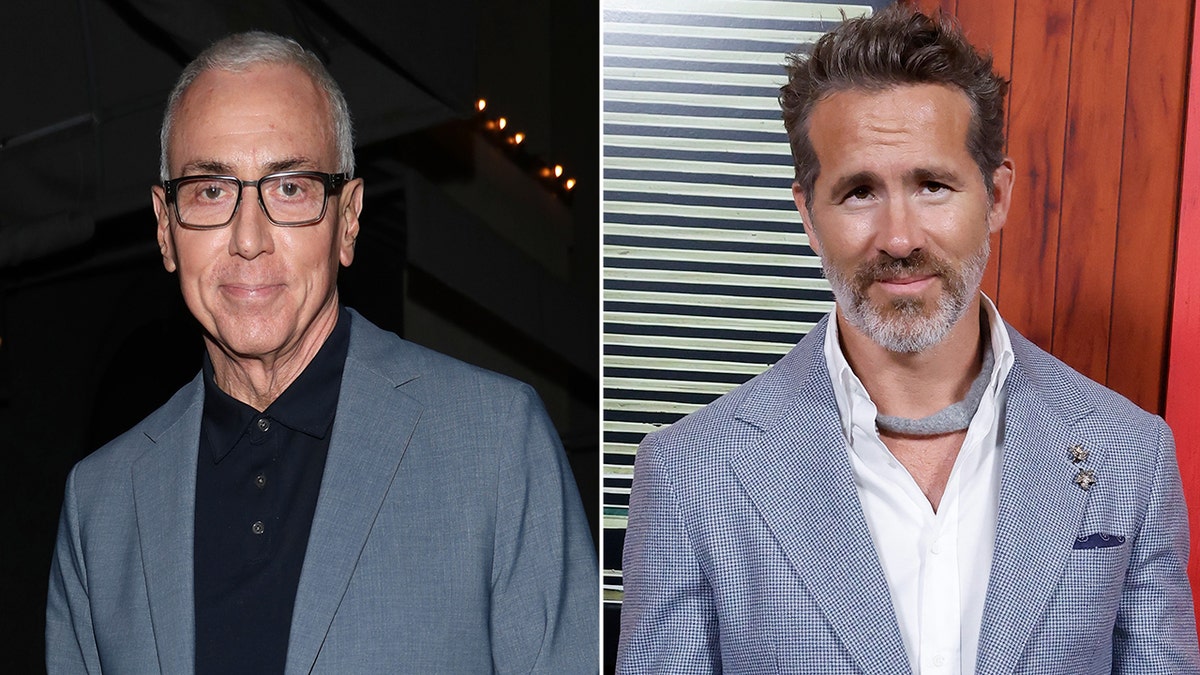
Ryan Reynolds has shared a critical view of the 1980s, challenging the nostalgic lens through which many people view the era. In an interview with Variety, the ‘Deadpool’ actor reflected on how time can lead to a romanticized memory of past decades.
‘What’s interesting about when you get far enough away from a time period that’s quite distinct, I think there’s always a lovely feeling associated with it. It’s almost like you pave over all the trauma with, like, puppy dogs and ice cream,’ Reynolds stated.
The actor described the 1980s as a ‘brutal’ time, marked by sociopolitical tensions and global strife.
Reynolds referred to the ongoing shadow of the Cold War and the proximity of the Cuban Missile Crisis in time. He suggested that often, people focus on lighter elements like music and movies, overshadowing the serious issues present during the decade.
While promoting his new film ‘Mayday,’ set in 1987, Reynolds also wondered how future generations would look back on today’s world, suggesting nostalgia might cloud the reality of the current times.
His comments led to a discussion on the ‘Actual Friends’ podcast, where Dr. Drew Pinsky shared a different perspective. Dr. Drew expressed admiration for Reynolds but disagreed with his portrayal of the 1980s.
Dr. Drew described the 1980s as an era of optimism and celebration, contrasting it with the more turbulent 1970s.
‘The ’80s was this huge relief that came,’ he said, noting that initial discontent with President Reagan eventually gave way to a period of prosperity and joy.
Dr. Drew emphasized the element of fun that defined the decade. ‘The ’80s were just flat-out fun. They really were. People were having fun, and we just don’t seem to have fun anymore,’ he argued.
Despite their differing views, Reynolds and Dr. Drew’s discussion highlights the varying interpretations of historical periods. Each brings their perspective on how society looks back at the past, influenced by personal experiences and broader cultural narratives.