
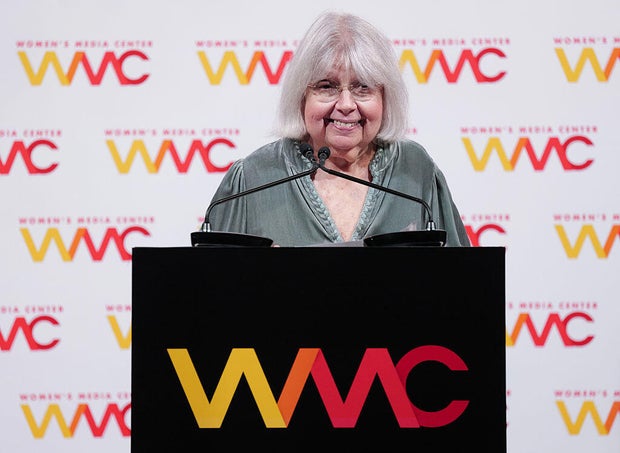
Robin Morgan, known for her transition from a child star in the 1940s and ’50s to a significant figure in the feminist movement, has passed away at the age of 85. As a poet, essayist, and editor, she contributed to many changes in how women were perceived and treated. Morgan died on Saturday in New York following a series of health challenges, according to her son, Blake Morgan.
Early Life and Career
Born in Lake Worth, Florida, in 1941 and raised in New York, Morgan started her career early. She was encouraged by her mother, who falsely claimed Morgan’s father was dead, and adjusted Morgan’s age to enhance her career. By age three, she was modeling, hosting ‘Little Robin Morgan’ radio show by age five, and featuring on ‘Juvenile Jury,’ first on radio and then television. From 1949-1957, she starred in the TV series ‘Mama’ and had appearances on other shows.
Activism and Feminism
From the 1960s onward, Morgan was at the heart of the second-wave feminism movement. She played a key role in organizing the 1968 protest against the Miss America pageant and edited influential works like ‘Sisterhood is Powerful.’ Her public acts and writings consistently challenged societal norms, and she was critical of both left and right-wing establishments.
Her essay ‘Goodbye to All That’ and the coining of terms like ‘herstory’ highlighted her impact. She also popularized symbols, such as the clenched fist/female icon, and contributed memorable poems like ‘Monster’ and ‘Arraignment.’
Personal Life and Writings
In her personal life, Morgan had relationships with both men and women, challenging conventional labels. She was married to the poet Kenneth Pitchford for over two decades, though her views and lifestyle often placed her at odds with mainstream expectations. Morgan authored more than 20 books, spanning diverse genres from memoirs to poetry.
Legacy and Influence
Morgan co-founded the Women’s Media Center with Gloria Steinem and Jane Fonda in 2005, aiming to improve women’s visibility in media. She remained active even with her Parkinson’s disease diagnosis, contributing through various platforms, including a syndicated radio show and a TEDWomen talk.
Throughout her life, Robin Morgan left behind a legacy of advocacy, creativity, and challenge to the systems that confined voices like hers. Her work remains a significant part of feminist literature and activism.