
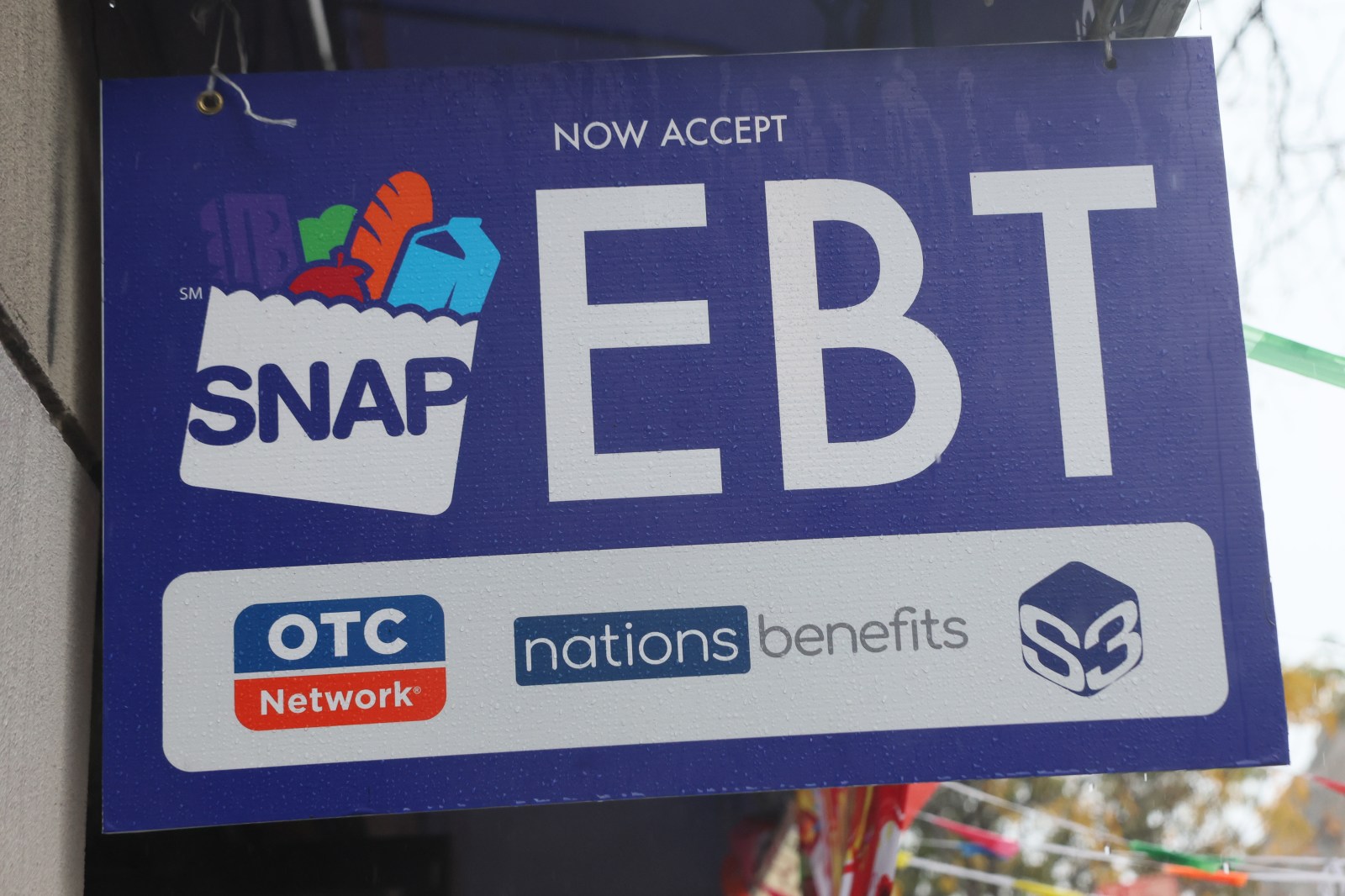
Over 6 million Texans are facing food insecurity, and warnings from food banks highlight an increased risk now due to a significant drop in Supplemental Nutrition Assistance Program (SNAP) enrollment. According to Feeding Texas and Feeding America’s Map the Meal Gap study, Texas has 6,062,890 residents experiencing food insecurity, comprising 19.4 percent of its population. This figure includes nearly 2 million children, amid a 17-year low in SNAP participation following major federal program changes.
We’re calling on Congress to postpone the cost-share requirement for two years so every state has adequate time to implement these improvements before facing significant financial penalties,said Celia Cole, CEO of Feeding Texas.Our priority should be ensuring the policy is implemented effectively while safeguarding eligible families’ access to food assistance.
As of September, only 2.8 million Texans were enrolled in SNAP, a decrease of around 738,000 from the previous year, as reported by the Texas Health and Human Services Commission. This marks a 20.8 percent decline year-over-year, the steepest in two decades. Consequently, food banks are experiencing unprecedented demand, as Texas food banks distribute more than 700 million pounds of food annually through over 4,000 community partners. For every meal provided by food banks, SNAP contributes nine meals.
SNAP is close to 10 times the size of what food banks can do, so it is not a gap we are prepared to make up for,Cole stated to ABC13 Houston.
The Current Situation
The 2026 Map the Meal Gap study, utilizing 2024 data, revealed a rise in Texas’ food insecurity rate from 17.6 percent to 19.4 percent. The estimated number of food-insecure individuals in Texas increased from approximately 5.4 million to over 6 million. Children have been particularly affected, with 1,995,810 children, or 26.1 percent, experiencing food insecurity. About one in seven seniors are also affected.
The strain on food banks mirrors broader issues such as higher grocery prices and SNAP changes. Alex Beene from the University of Tennessee explains that food banks cannot replace a federal program like SNAP. More families may have to choose between groceries, housing, and healthcare due to these pressures.
Referrals to food banks and pantries surged nearly 37 percent, according to Feeding Texas. The loss of SNAP benefits due to new regulations could worsen the situation. Nationally, more than half of food-insecure individuals have incomes above SNAP eligibility levels.
Changes to SNAP
The One Big Beautiful Bill Act, signed on July 4, 2025, brought about significant SNAP changes, including eligibility and work requirements. One change is that certain adults must work, volunteer, or participate in approved training for at least 80 hours monthly to receive SNAP for more than three months in three years. The age limit for these requirements expanded from 54 to 64, and exemptions for parents now only apply to those with children younger than 14. Veterans, the homeless, and former foster youth lost previous exemptions.
Michael Ryan, a financial expert, informs that federal rules have tightened SNAP work requirements, causing an application backlog to swell from about 4,000 in January to 175,000 by early September in Texas. Immigration eligibility adjustments led to a decline of nearly 550,000 in SNAP participation from July 2025 to June 2026, with over half being children.
SNAP Eligibility
SNAP eligibility mainly depends on household circumstances, including income, household size, and expenses. Work requirements apply to most adults aged 16 to 59 who are capable of working. Exemptions exist for those with physical or mental limitations, caregivers of children under six or incapacitated persons, and individuals in drug or alcohol rehabilitation or education programs.
Declining SNAP Participation
Nationally, SNAP enrollment declined by about 4 million people, or 10 percent, between July 2025 and February 2026, with drops across all states. Texas’ decline has been especially pronounced, with enrollment falling to 2.8 million in September, marking the first instance monthly participation fell below 3 million since 2009.
When a family loses food help, the finances must come from somewhere else. Rent, utilities, or credit cards. Thus, a short gap can spiral into long-term debt,Ryan noted.
Looking Forward
Food for Families is organizing its 37th food drive in Central Texas, but covering the statewide loss of SNAP benefits remains challenging. Hopes exist for potential reversals in SNAP cuts under new Congressional Democrat leadership, as noted by Kevin Thompson of 9i Capital Group, who expects expansions instead of contractions.