
A Growing Concern in Antibiotic Resistance
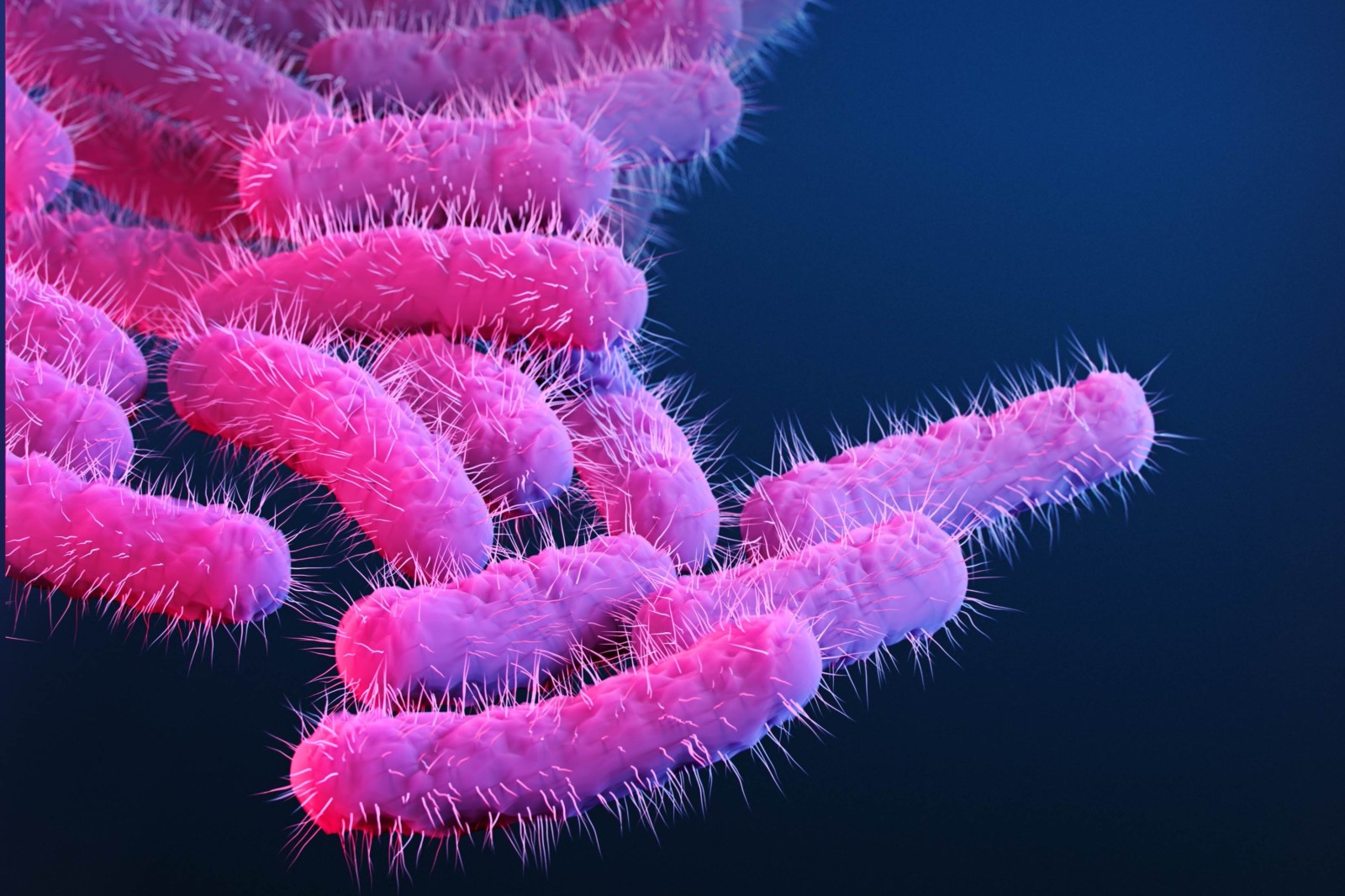
A bacterial infection known as Shigella, spread through sexual contact, is showing increased resistance to commonly used antibiotics in the United States. Shigella is a highly contagious bacterium responsible for the intestinal infection called shigellosis, characterized by symptoms such as diarrhea, fever, and stomach cramps. A report from the Centers for Disease Control and Prevention (CDC) highlights a worrying trend: the proportion of tested Shigella strains classified as extensively drug-resistant (XDR) rose from 0% between 2011 and 2015 to 8.5% in 2023.
Shigella’s Impact
These drug-resistant strains are impervious to five antibiotics typically used to treat the infection. However, experts caution that this does not indicate a nationwide increase in infections. People with shigellosis often recover without antibiotics, with higher risks concentrated in specific populations.
Dr. Sarath Nath, an infectious disease expert at Stony Brook Medicine, notes, “The number of cases has not surged in recent years, even as the proportion of drug-resistant bacteria has risen.” Provisional CDC figures show 13,921 reported cases in the United States up to September 26, 2026, compared to 14,277 in the same period in 2025.
Understanding Shigella
Shigella refers to a group of bacteria causing shigellosis. The CDC estimates around 450,000 infections annually in the U.S. While known for its potential sexual transmission, Shigella can also spread via contaminated food, water, and contact with infected individuals.
“Shigellosis is highly contagious because few bacteria can cause illness,” states the CDC. Ingesting as few as 10 organisms may lead to infection.
Main Symptoms of Shigellosis
Symptoms typically appear one to two days post-exposure. They include diarrhea, potentially bloody, fever, abdominal pain, and a persistent urge to defecate despite empty bowels. While symptoms generally resolve within five to seven days, some cases persist longer.
Most infections clear up without antibiotics, but severe cases may require medical intervention, particularly in immunocompromised individuals. Seek medical advice for bloody diarrhea, prolonged symptoms, or signs of dehydration.
How Shigella Spreads
Shigella spreads through the fecal-oral route. This involves bacteria in an infected person’s stool entering another person’s mouth via contaminated food, water, poor hygiene, or close contact. Sexual transmission occurs through exposure to microscopic fecal matter during certain activities, such as oral-anal contact or anal sex.
While anyone can contract Shigella, gay and bisexual men face higher risks. A CDC analysis revealed that 86.2% of XDR shigellosis patients were men. Researchers could not definitively link these infections to sexual activity due to incomplete exposure data.
Other vulnerable groups include young children, international travelers, homeless people, and those with compromised immune systems.
Antibiotic Resistance: Cause for Concern?
Despite antibiotic resistance concerns, experts argue that widespread panic is unwarranted. “Concerned but not alarmed,” says Matthew J. Bertini, founder of Austere Medicine Consultants. CDC data shows XDR Shigella increased from 0% in 2011-2015 to 8.5% in 2023, with about one-third of patients requiring hospitalization.
For healthy individuals, the risk remains low. The primary concern is the growing failure of standard antibiotics. CDC research, involving close to 17,000 bacterial samples over 12 years, identified 510 XDR isolates resistant to five key antibiotics. No FDA-approved oral drugs currently treat cases resistant to all five.
Shivan M. Shah, MD, emphasizes that most Shigella infections are self-limiting, though severe infections in vulnerable individuals might need treatment.
The CDC notes that 37.6% of XDR patients with hospitalization records required admission. However, data was available for only 258 patients.
Preventing Shigella Infections
Basic hygiene can significantly lower the risk of Shigella transmission. The CDC advises washing hands, genitals, and the anal area before and after sexual activity, using condoms, and thoroughly cleaning sex toys.
- Consider latex gloves for activities involving hands.
- Avoid sexual contact during infection: bacteria may persist in stool post-symptoms.
- Wait two weeks post-diarrhea before resuming sexual activity.
Dr. Nath advises, “If you have diarrhea, abstain from sexual activity for at least two weeks since bacterial shedding can continue.”
Contacting Newsweek editors: John Fitzpatrick and Sam Wilson.