
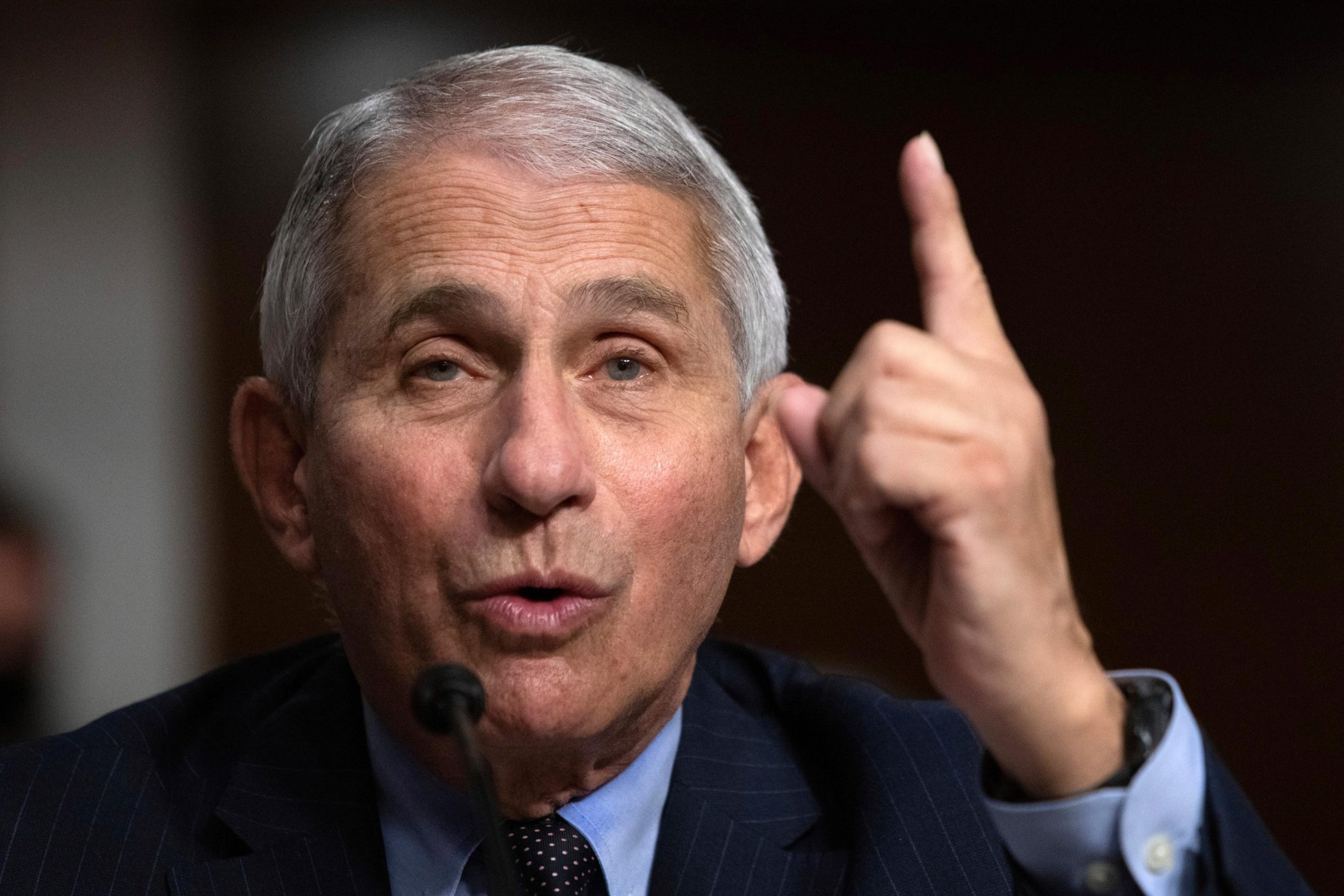
Dr. Anthony Fauci testified before a congressional committee on September 23, 2020, regarding the federal government’s response to COVID-19. Honesty about past mistakes is essential for prestigious medical institutions to win back public trust. Addressing Dr. Anthony Fauci’s legacy is a necessary step in this process.
Recently, Jay Bhattacharya, chief of the National Institutes of Health, urged the editors of Nature Magazine to examine the role of Fauci and former NIH head Francis Collins in organizing a 2020 article. This article criticized the “lab-leak hypothesis,” which has gained support recently. Congressional researchers found emails revealing Fauci and Collins pressured scientists reliant on NIH grants to write a peer-reviewed article. This article aimed to dismiss lab-leak theorists as uninformed conspiracy theorists.
The evidence shows Fauci reviewed article drafts and suggested modifications, contradicting his later claims of ignorance about the paper before it was published. The paper’s authors also reportedly set aside their own uncertainties, fearing that any acknowledgment of the possibility of a lab-originated virus would lead to a backlash against China.
Fauci undoubtably did not want the lab-leak theory considered. He had directed NIH grants towards research on enhancing coronaviruses at the Wuhan Institute of Virology, against federal guidelines. Fauci’s assistant later admitted guilt in covering up related facts. Bhattacharya believes Nature Medicine should correct or retract the paper to clarify the official narrative and potentially restore its credibility.
Despite the controversy surrounding the lab-leak hypothesis, any responsibility for Fauci seems to be shielded by presidential pardons issued by Biden, making it difficult to determine the pandemic’s origins. This case highlights a broader issue among medical institutions, such as endorsing unfounded science regarding gender-transitioning teenagers. Until top scientific ranks demonstrate a commitment to objectivity over politics, skepticism towards experts will persist.