
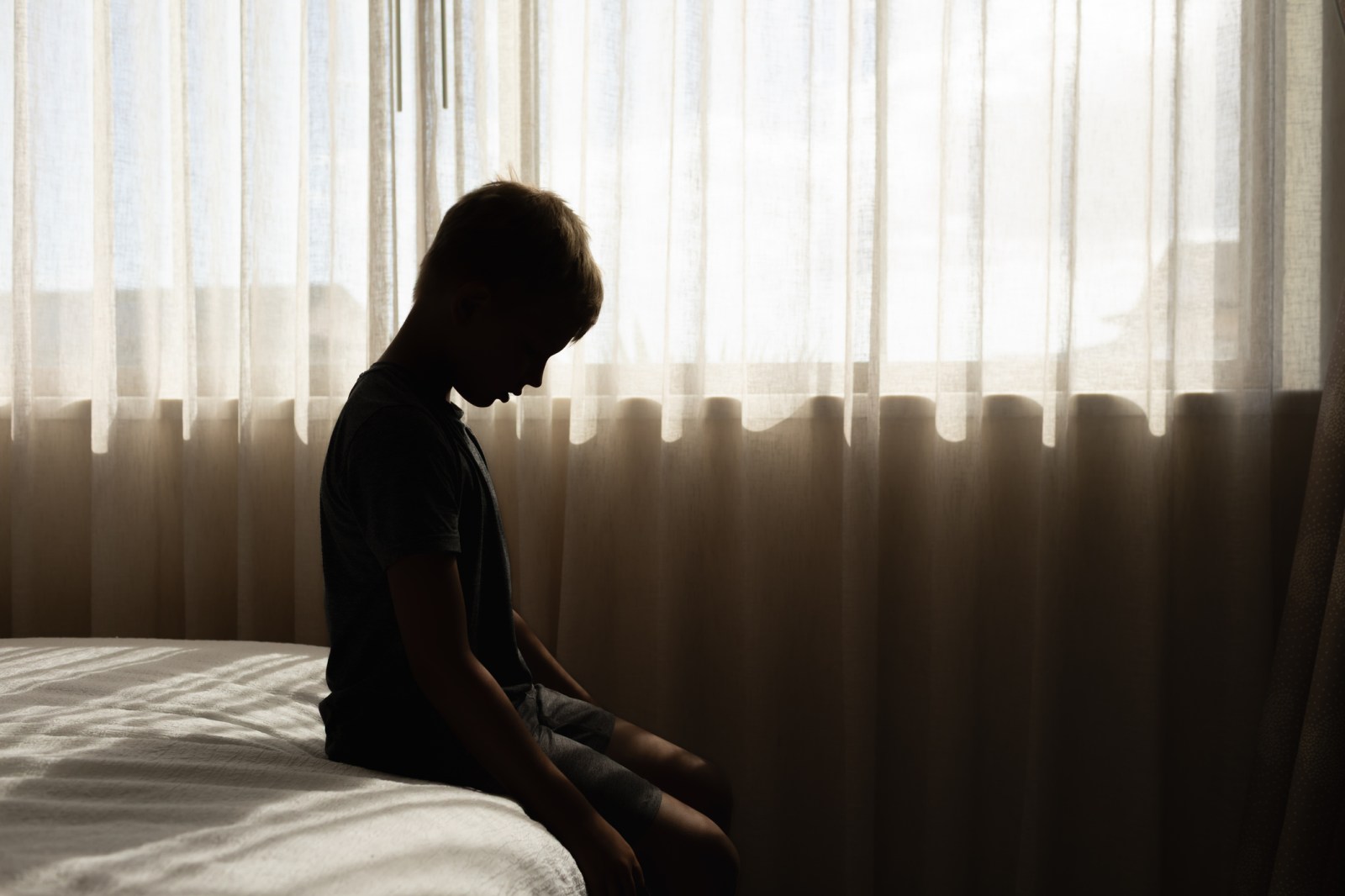
Understanding Childhood and Teenage Depression
Many parents believe they would instantly notice if their child was depressed, often expecting sadness as the primary indicator. However, depression in children and teens can differ significantly from how it appears in adults. Dr. Carolyn Spiro, a clinical psychologist with expertise in parenting and adolescent mental health, outlines the key signs every parent should watch for.
According to data from the Centers for Disease Control and Prevention (CDC), around 21 percent of children aged 3 to 17 had been diagnosed with a mental, emotional, or behavioral condition in 2021.
Irritability: A Major Indicator
Based in New York, Dr. Spiro emphasized that depression in young people doesn’t always manifest as sadness. A major clue can be changes in mood or behavior.
“If parents notice that their typically easy-going child suddenly becomes much crankier than usual, more oppositional, more tearful, or has reactions that seem out of proportion to everyday situations,” Dr. Spiro explained.
As a former clinical assistant professor at the NYU Child Study Center, Dr. Spiro now runs a private practice. She shared several potential signs of depression in children and teenagers.
Warning Signs for Parents
- Withdrawal from friends or isolation.
- Loss of interest in activities once enjoyed.
- Slowing down in movement or speech.
- Fatigue or lack of energy.
- Poor sleep or excessive sleeping.
- Significant changes in eating habits.
- Difficulty concentrating.
- Lack of motivation at school.
- Decline in academic performance.
- Use of alcohol or drugs to cope, especially in older children and teens.
When to Seek Professional Help
Dr. Spiro pointed out that while children and teens may experience occasional bad moods, the persistence of symptoms is key. A diagnosis of depression typically requires symptoms to be evident for at least two weeks, though parents need not wait to consult a professional if concerned.
“Parents should seek help if symptoms cause significant distress to the child or family, interfere with school performance, affect friendships, disrupt family life, or if a child expresses hopelessness or thoughts of wanting to die,” Dr. Spiro emphasized.
She concluded that early intervention can significantly improve treatment outcomes for children with depression.