
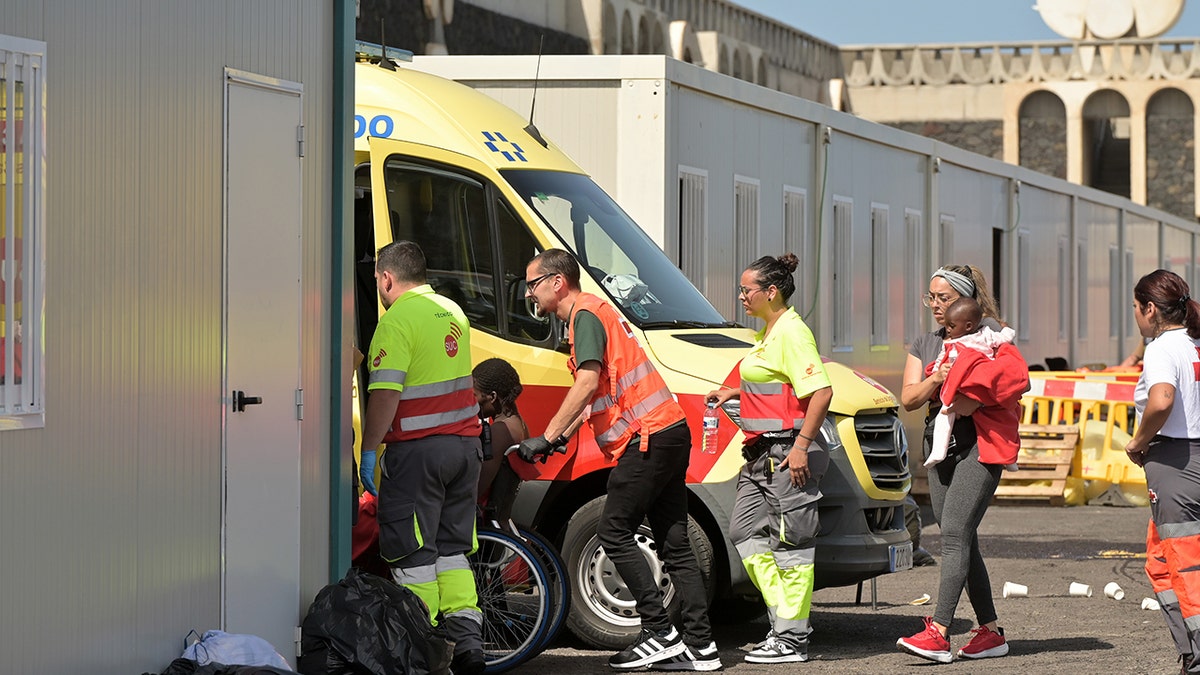
Thousands of migrants have recently arrived in Spain’s Canary Islands, intensifying the country’s migration crisis. Over the past weekend, authorities registered more than 2,200 migrants arriving in small boats from West and Sub-Saharan Africa.
A group of 14 boats landed on El Hierro, bringing 1,324 people to an island with a Spanish population of only around 12,000 residents. This influx adds pressure on the local resources and poses significant challenges for the Spanish government.
The Spanish government declared an emergency status for the Canary Islands. This decision follows an earlier increase in migrant crossings in July, when tens of thousands entered Spain’s North African territory, Ceuta.
Spain is also dealing with internal unrest. Recently, the first general strike in 14 years turned violent. Demonstrations erupted in cities like Barcelona, where participants vandalized stores on Paseo de Gracia, igniting small fires and launching fireworks at police.
This strike was driven by increasing rents and living costs. In Barcelona, housing activists reported a turnout of 400,000 people, while city officials counted 55,000. In Madrid, 120,000 gathered despite inclement weather, causing disruptions across the nation.
The nationwide protest affected public transport and forced business closures. Police responded with arrests and used pepper spray in Madrid.
The issues of migration and housing are expected to be significant topics in Spain’s upcoming parliamentary elections on November 29.