
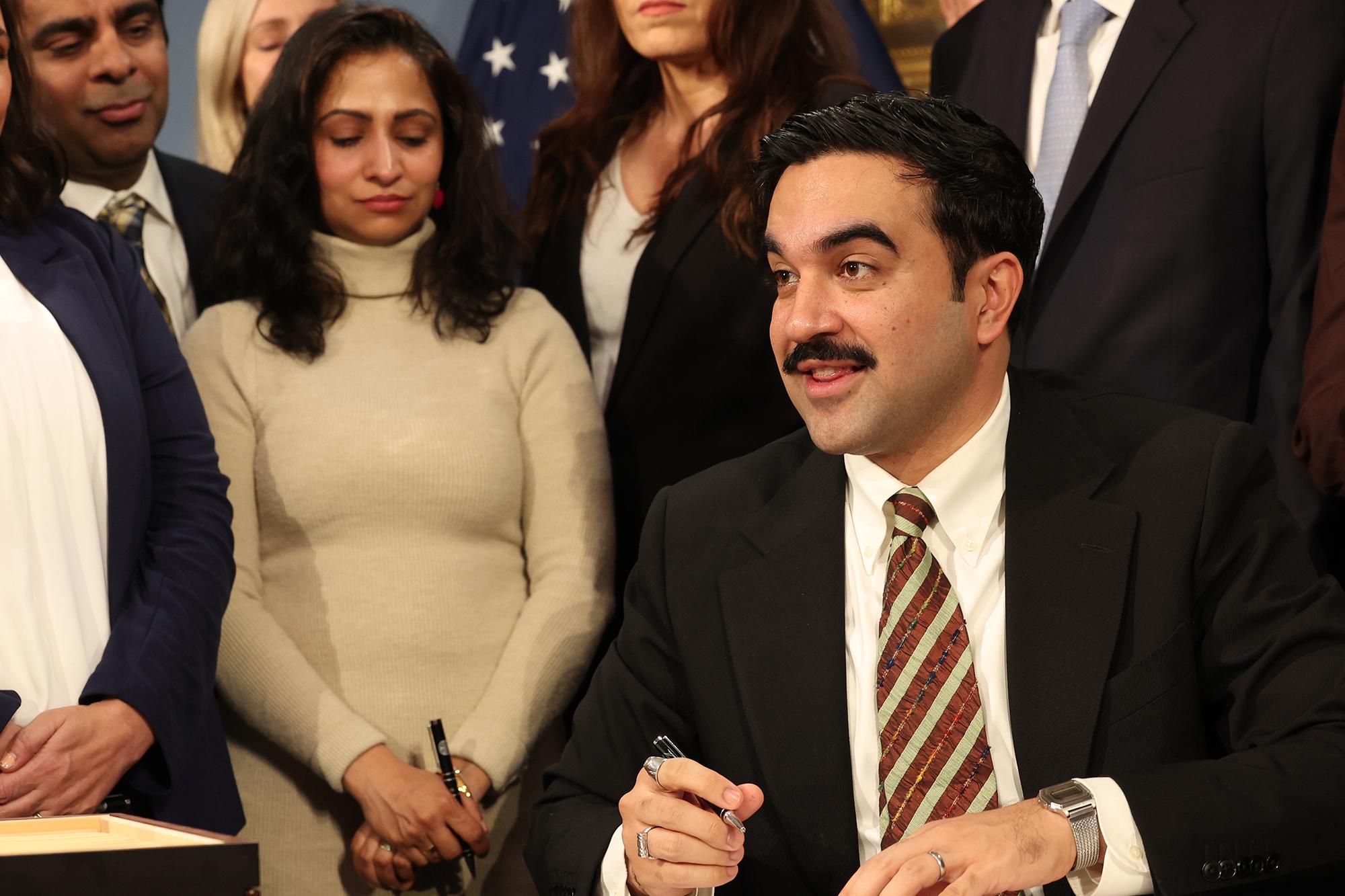
Mayor Zohran Mamdani has stirred significant controversy with his recent decision to ban horse-drawn carriages in New York City. This decision was marked by a ceremony at City Hall attended by family members of Romanch Mahajan, an 18-year-old tourist from India who tragically died in a horse-carriage accident.
A coalition of long-standing animal rights advocates has pushed for this ban. Despite their efforts over the years, banning horse carriages was not initially part of Mamdani’s agenda. However, political support has grown, as highlighted by the presence of key figures like former Mayor Bill de Blasio and current Speaker Julie Menin during the bill signing.
Mahajan’s death became a pivotal factor in promoting the ban, although this incident was the first of its kind in over a century. Some argue that stray electric voltage in Central Park, rather than the carriage itself, might have caused the accident. The blame for maintenance failures is partly placed on the Central Park Conservancy.
Despite the council’s backing, the mayor chose to host a high-profile ceremony for the signing. Critics view this as aligning with specific interest groups and potentially damaging his political reputation. The ban requires Mamdani to address job losses among horse-carriage workers and owners of medallions, which have lost value overnight.
Some horse-carriage workers and medallion owners are pursuing legal action, claiming the ban constitutes an unconstitutional taking of private property without compensation. There are also challenges regarding existing contracts, as many owners hold debts tied to their medallions and stables.
Mamdani faces the political challenge of compensating medallion owners, a task requiring significant public funds. His association with figures like de Blasio and Menin contrasts with his earlier image of offering new political perspectives.
The ban has also drawn criticism for its timing and the mayor’s apparent disconnect from the practical impacts of such decisions. These perceptions further complicate Mamdani’s efforts to maintain his distinct political value and integrity.
Nicole Gelinas from the Manhattan Institute’s City Journal reflects on these developments, noting their implications for both the city and Mamdani’s political future.