
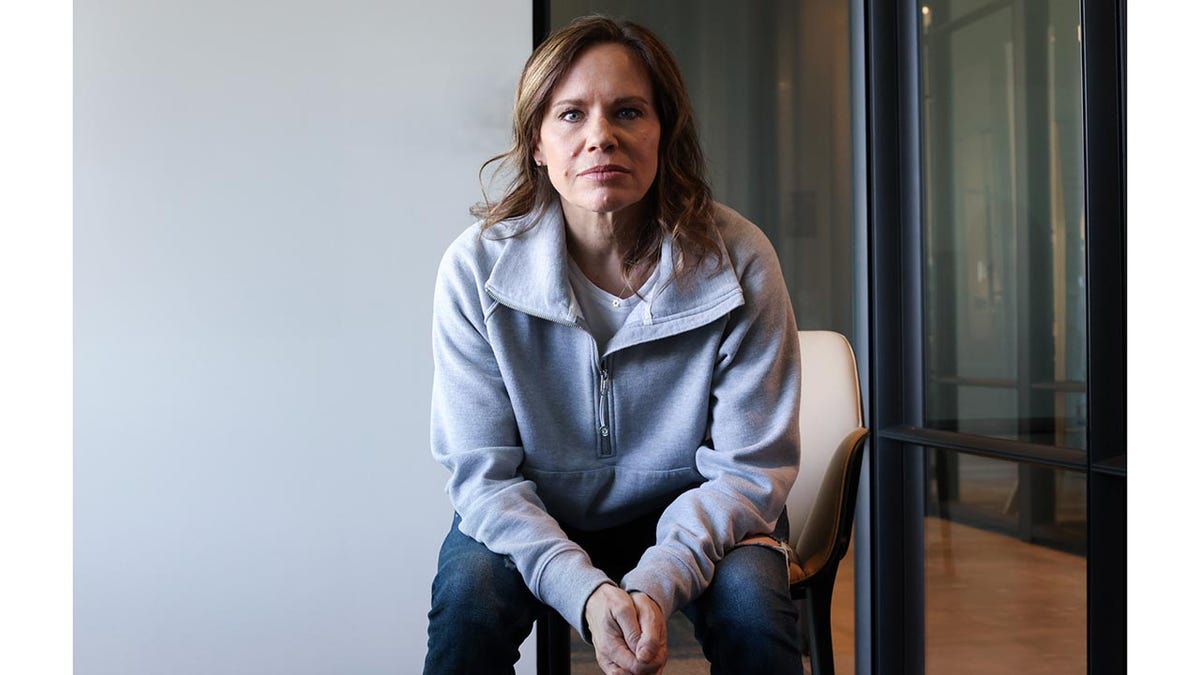
Jennifer Sey, founder of XX-XY Athletics, is in a legal tussle with the state of Colorado. Her company, which aims to protect women’s sports, disputes a state law that might force them to change how they communicate their core values.
XX-XY Athletics faces potential fines of up to $3,500 per violation under Colorado’s anti-discrimination law. Advertising violations carry the risk of a Class 2 misdemeanor, punishable by up to 120 days in jail. Sey’s attorney, Hal Frampton, emphasized these risks, noting that Colorado hasn’t yet enforced the law against Sey’s business.
“Then why do you have the law? I mean, I don’t trust you,” Sey stated, voicing her concerns to OutKick about the state’s stance.
The legal conflict revolves around the Kelly Loving Act, which extends protections to include individuals’ chosen names and pronouns. Sey and her lawyers argue that this legislation conflicts with their business principles. They worry it could compel them to use language contrary to their beliefs.
Sey launched XX-XY Athletics in March 2020. The company actively opposes the participation of biological males in female sports. Earlier, Sey successfully campaigned for Proposition 134. This measure, backed by 52% of Colorado voters, mandates that sports teams at K-12 and collegiate levels be defined by biological sex.
Despite this victory, Sey remains concerned about the state’s anti-discrimination law. “Given the speech restrictions, how can we even talk about the law itself?” she questioned. Sey insists on resolving this apparent conflict.
In March, a federal judge rejected XX-XY Athletics’ attempt to secure immediate legal protection, citing a lack of credible threat. However, Sey’s team contends that the potential for complaints justifies their lawsuit.
During recent court proceedings, Colorado attorney Janna Fischer argued against granting XX-XY Athletics’ broad request for a preliminary injunction. She claimed the law did not alter substantive rights under existing legislation, focusing instead on the state’s criteria for evaluating cases.
Sey emphasizes the broader implications: “This is about all businesses. This is about all individuals.”
The legal struggle takes place against a backdrop of Colorado’s past disputes with the U.S. Supreme Court over free speech issues. Landmark cases like Masterpiece Cakeshop and 303 Creative have highlighted similar conflicts in the state.
Phil Weiser, Colorado’s governor-elect, hinted at possible amendments to Proposition 134, a prospect Sey finds untenable.
“I sort of dare him to overturn the will of the people on his first month in office,” Sey responded.