
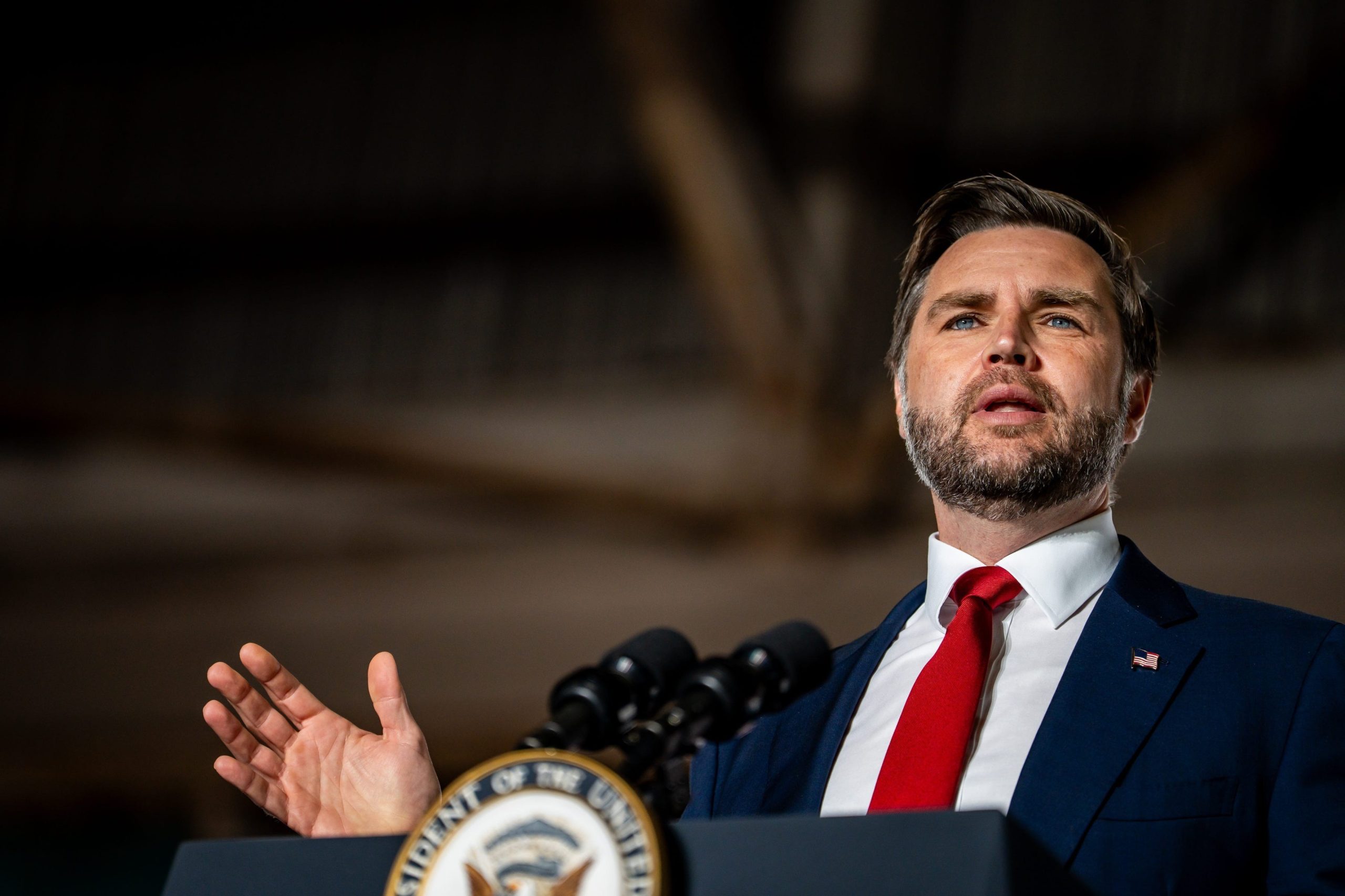
JD Vance is promoting a protectionist economic policy through his NatCon project. This approach is controversial and not widely supported among voters. It could have significant implications for the Republican Party’s future strategies.
In Michigan, Abdul El-Sayed’s political stance is under scrutiny, particularly his ability to access classified information. Voters are questioning whether he is the right choice for the U.S. Senate.
Some Democrats are criticized for attempting to emulate French policies, characterized by socialized healthcare, elevated minimum wages, and strong labor unions. This approach raises concerns about potential social unrest, similar to what has been observed in France.
Ilhan Omar’s ongoing investigation is facing claims of political motivation. Critics argue that these accusations undermine the principle that no one should be above the law.
Mahmoud Khalil’s stance on Hamas has provoked calls for his deportation, reflecting the weight of national security considerations in immigration debates.
The federal workforce has decreased by 300,000 jobs since January 2025, though it maintains a total of 2.7 million employees. This reduction is a part of ongoing government efforts to streamline its operations.
Abdul El-Sayed’s reluctance to denounce Iran’s Revolutionary Guard has sparked questions about his foreign policy positions and their implications for voters in Michigan.
An increasing faction within Texas, led by figures like Bo French, opposes accommodating immigrants. Their actions mirror affirmative action movements, highlighting ongoing tensions in immigration policy.
The Trump administration has proposed repurposing federal childcare subsidies, aiming to offer $9,000 per child for daycare to low-income families. This policy shift reflects a broader strategy to support stay-at-home parents.
Zohran Mamdani’s critique of U.S. military spending contrasts with the substantial investment in social welfare. The economic impact of these expenditures remains a topic of significant debate.
A UNICEF report counters claims of severe nutrition issues in Gaza, with findings showing only 0.5% acute malnutrition. This challenges widely circulated narratives about impending crises in the region.
Food pricing debates continue, but data indicates that current costs are not as prohibitive as some argue. Misinterpretations of these trends persist across the political spectrum.
Discussions around data centers often involve environmental concerns. Critics equate technological progress with ecological threats, drawing parallels to past opposition to energy infrastructure projects.
Gen Z’s grievances towards Baby Boomers have been linked to a rise in socialist preferences, according to Alexandria Ocasio-Cortez. The intergenerational dialogue focuses on the social and economic legacy left behind.
Conspiracy theories surrounding Charlie Kirk have been challenged in court, yet the persistent misinformation spread by figures like Candace Owens raises ongoing concerns.
Young Americans’ perspectives on military actions reflect a disconnect with historical contexts. This gap in understanding continues to influence national conversations on foreign policy.
Democrats’ endorsement of socialist candidates is expanding beyond traditional urban strongholds, reshaping the political landscape across the United States.
The Democratic Party’s broad coalition strategy, dubbed the ‘big tent,’ faces criticism for potentially undermining the country’s political stability. Recent primary victories in New York highlight these internal divisions.
Secrecy surrounding the Trump administration’s dealings with Iran, and JD Vance’s perceived evasiveness, have stirred public dissatisfaction with the transparency of international agreements.
Graham Platner’s accusations of left-wing populism attract criticism of performative politics. His rhetoric is contrasted with that of prominent Democratic figures, questioning its substance and impact.