
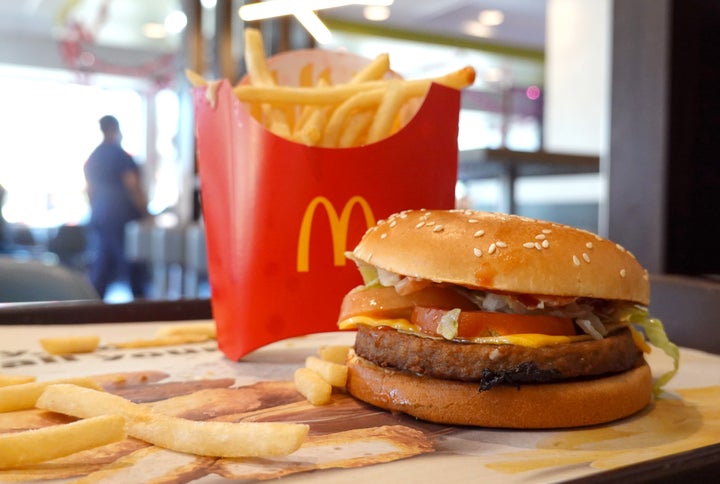
Jessica Biel once mentioned to Parade that her children “don’t get McDonald’s,” emphasizing her preference for higher quality and more expensive meals. While this statement may seem elitist, it also brings up a common question for parents: Is McDonald’s a good meal option for kids?
Nutritional Perspectives on McDonald’s
Many parents worry that serving fast food might make them appear irresponsible, or may label the food as unhealthy. However, nutritionists assert that the question is not so straightforward. They acknowledge that McDonald’s can have a place in a child’s diet.
Focus on Home-Cooked Meals
Rachel Trotta, a fitness nutrition specialist, emphasizes a balanced attitude toward food. She primarily offers home-cooked meals, yet doesn’t entirely ban fast food. Her approach encourages children to understand their hunger cues and not fear occasional treats. Her child, although yet to try McDonald’s, is encouraged to trust her instincts around food choices.
Food Without Moral Labels
Dietitian Julia Cassidy aims to eliminate moral judgments on food. Her children sometimes eat at McDonald’s as part of a diverse eating experience, which includes both convenience and enjoyment. Cassidy stresses that balance and lack of guilt prevent disordered eating habits.
Special Occasions Only
Megan Wroe, a registered dietitian, reserves fast food for exceptional circumstances or days where time constraints limit options. She believes in offering homemade meals primarily to promote healthier habits.
Educational Approach
Aliza Marogy, a registered nutritionist, rarely chooses McDonald’s for her child, yet recognizes its occasional social value. Her approach focuses on educating about nutritious options, turning meals into learning opportunities while respecting different family circumstances.
Balanced, Occasional Treats
Boston-based dietitian Heidi McIndoo considers McDonald’s a rare option, possibly during travel. She teaches her children about compensating for nutritional gaps left by fast foods, turning the occasional treat into a balanced experience.
Flexibility and Inclusivity
Sarah Schlichter and Nikki Fata, both dietitians, embrace flexibility. They point out that fast food can fit into a balanced diet without being labeled unhealthy. McDonald’s offers convenience, accessibility, and an array of nutrients. Fata especially values avoiding restrictive food rules to prevent future fixations.
Parental Choices and Autonomy
Kristi Ruth allows her children McDonald’s if they travel independently. She prefers not to frequent the chain due to personal taste, but doesn’t impose limits on her children’s choices.
Social Integration
Dietitian Yvette Hill enables her children to enjoy McDonald’s, especially at social gatherings. Her approach emphasizes the importance of varied dietary experiences without undervaluing homemade options.
Nutritional Philosophy and Individuality
Overall, nutritionists agree that McDonald’s can be part of a balanced relationship with food. Aliza Marogy suggests fostering a positive food relationship sans guilt to promote lifelong healthy patterns. Nikki Fata underscores the individual nature of food choices, promoting inclusivity.