
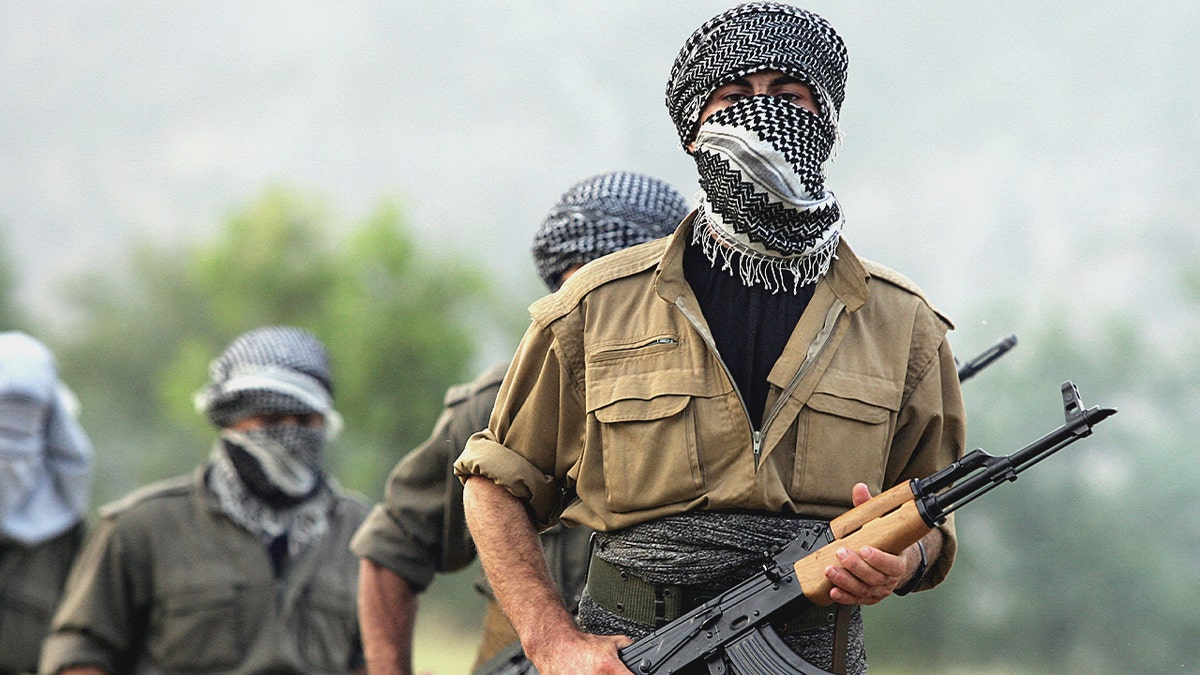
The Islamic Revolutionary Guard Corps (IRGC) in Iran is dealing with increasing violence in the Kurdish-majority western regions. Experts suggest this might signal a more active phase of the Kurdish insurgency as negotiations between Iran and the U.S. remain delicate.
Kurdish Opposition and Regional Implications
The conflict in these borderlands extends beyond Iran. Recently, Kurdish opposition played a role as a possible pressure point against Iran during the U.S.-Israeli conflict. This raises concerns among Kurdish activists about being sidelined as diplomatic talks resume.
Recent incidents include the death of several Iranian security personnel in separate attacks. Reports indicate four security members were killed, and others injured in different confrontations in western Iran. The Jerusalem Post, citing Iraqi sources, shared these developments.
Incidents Reported
An attack in Paveh resulted in two IRGC members’ deaths. Another assault on a police checkpoint in Baneh led to the deaths of two officers, injuring others, including a young child. These attacks were linked to a lesser-known group, Xore Heva, acting in response to Iran’s suppression of protests following the 2022 death of Mahsa Amini.
The Kurdish Struggle
Kurds are a significant ethnic group without a nation-state, spread across Iran, Iraq, Syria, and Turkey. In Iran, regions like the mountainous west have been hotbeds of Kurdish dissent. Opposition groups accuse Iran of oppressive actions, whereas Iranian authorities view these groups as separatist threats.
Not solely an ethnic issue, the conflict also stems from political tensions over Kurdish rights and autonomy. The IRGC plays a crucial role in quelling dissent in border areas.
Experts’ Perspective
Jino Victoria Doabi, from a Kurdish human rights group, remarked on the potential escalation of violence. She noted that Kurdish reactions are fueled by Iran’s ongoing targeting of Kurdish regions without international pushback.
The political landscape might shift due to a memorandum of understanding between Iran and Washington. While Iranian leaders claim it safeguards their interests, critics fear it might strengthen Iran’s regime.
Kurdish Distrust of Diplomatic Efforts
Kurdish groups doubt any negotiated deal with the current Iranian regime could benefit them. Many express anger over historical and ongoing repression, fearing such agreements risk stifling resistance efforts.
The Kurdish opposition includes groups like PJAK and the East Kurdistan Defense Units, who have faced aggressive actions from Iran, marked by recent artillery exchanges reported by IranWire.
Geopolitical Factors
Earlier reports indicated potential Kurdish actions during the U.S.-Israeli conflict. Some Kurdish factions considered opening a front against Iran, which hinged on external support. However, Turkish intervention reportedly led to a shift away from proposed alliances against Tehran.
Potential For Ongoing Conflict
While the current violence does not definitively indicate a coordinated insurgency, the widespread clashes and Kurdish opposition to diplomatic discussions suggest Iran’s border regions may pose challenges for Tehran. The regime balances internal authority with fragile diplomatic ties.
Fox News Digital contacted both Iranian and Kurdish representatives for comments on these developments.