
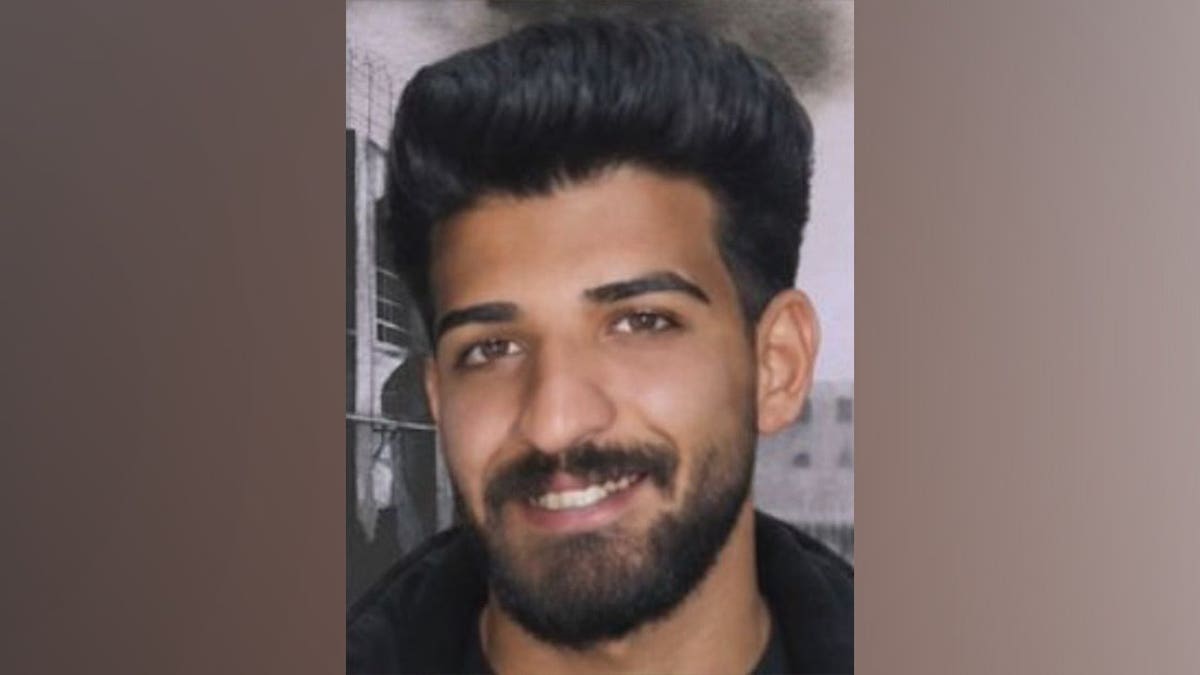
Iran has publicly executed two young men for their alleged participation in anti-government protests. Abolfazl Sepahi Badjani and Amirhossein Safari Hosseinabadi were hanged in Isfahan’s Shahid Alikhani Square. Officials accused them of crimes during protests on January 8, according to the National Council of Resistance of Iran (NCRI) and state media.
The executions brought angry reactions from the public, who chanted against the authorities. Security forces responded with tear gas to disperse the crowd. NCRI reported that security agents were stationed on rooftops and surrounding streets to prevent further unrest.
State media confirmed the executions, while semi-official news agency Mehr described the event taking place in front of a group of people. The NCRI stated that the regime feared public outrage over the executions.
Fearing public outrage over this brutal crime, the regime’s suppressive forces had deployed agents in the surrounding streets and on rooftops,said NCRI President-elect Maryam Rajavi.
Both men faced charges including participating in the killing of four security officers, destruction of public property, and using weapons like firearms and Molotov cocktails. They were convicted of ‘moharebeh’ or ‘enmity against God’, and ‘efsad-fil-arz’, or ‘corruption on Earth’.
NCRI claimed that the men were denied due process, lacked the right to choose their lawyers, and that their court-appointed attorneys could not access case files. The judiciary stated otherwise, claiming legal representation, witness testimony, and other evidence were used during the trial.
These executions are part of a larger crackdown on protests, known as the Alikhani Square case, resulting in at least four executed and others facing imminent risk.
Human Rights Watch and UN experts criticized the trials, stating they did not meet international standards. Public hangings in Iran are used to instill fear and discourage future protests.
Public executions are a cruel form of state terror that the international community must not tolerate,said Iran Human Rights Director Mahmood Amiry-Moghaddam.
The protests began as a response to economic difficulties and expanded into a large anti-government movement. The international community remains watchful of Iran’s actions regarding human rights and fair trials.