
The U.S. Supreme Court recently declined to take a case involving a California doctor seeking First Amendment protection from a state law. The law mandates that the doctor support “implicit bias” theory in mandatory continuing medical education. This sparks significant discussion regarding the boundaries of compelled speech in professional settings.
Proponents of “implicit bias” argue that unconscious attitudes result in minority patients receiving substandard care. Dr. Azadeh Khatibi, a physician involved in teaching educational courses, contends that California’s mandate forces her to adopt the government’s perspective.
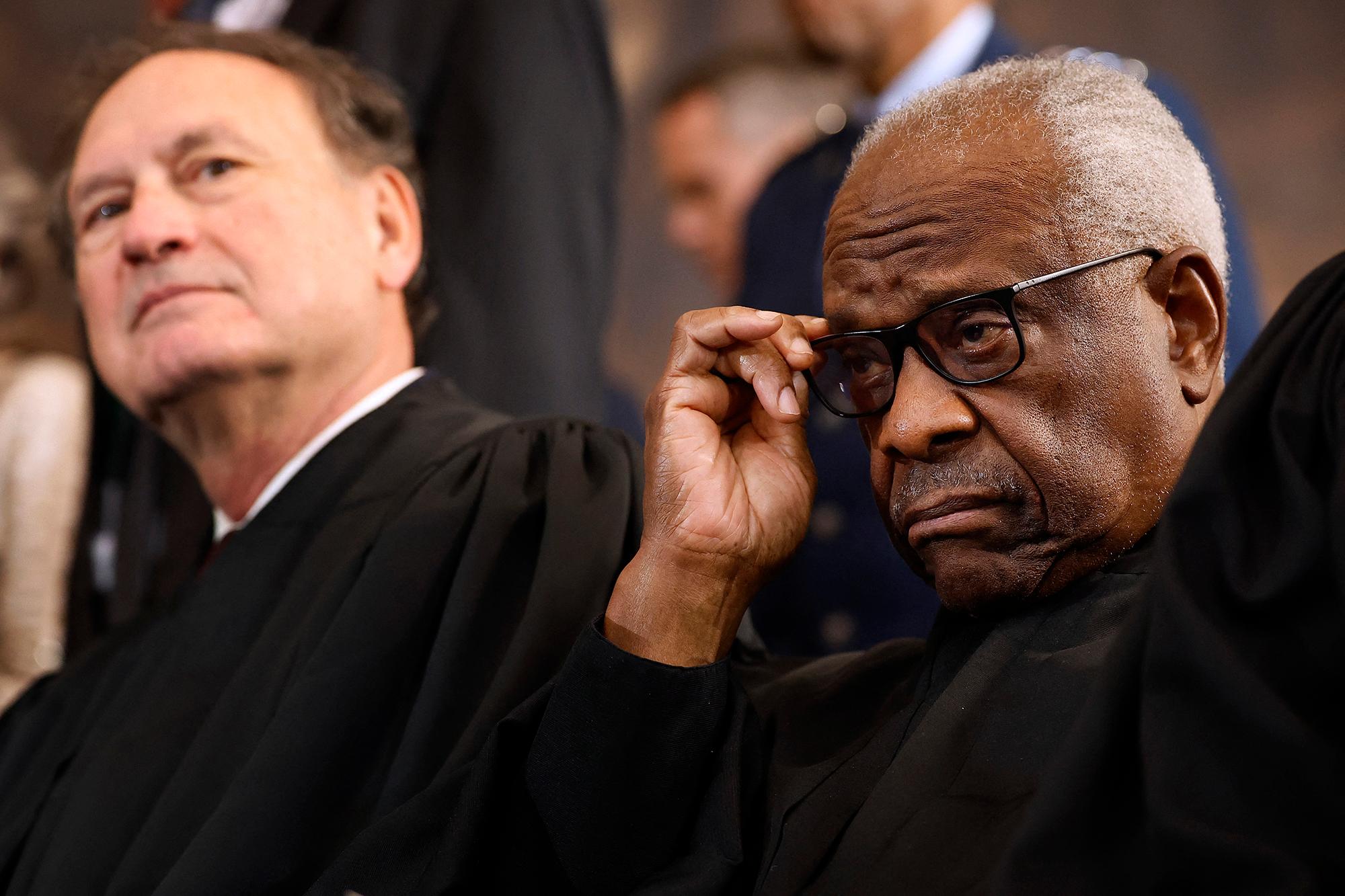
Justices Samuel Alito and Clarence Thomas sought to bring the case before the court. However, they did not convince enough of their colleagues to proceed. The majority appeared to side with California’s stance that the mandate is acceptable under the premise that medicine is a tightly regulated field.
Critics point out the absence of evidence showing that implicit bias training positively impacts patient outcomes. Similar laws are emerging in other states. For instance, Maryland recently enacted legislation linking medical license renewals with implicit bias training. Virginia has a similar law in place, and Illinois will implement a requirement for a specialized course on maternal health by January 1.
This trend extends beyond the medical field. A proposed bill in New York seeks to require all state employees to attend implicit bias training. In Colorado, the recently enacted Kelly Loving Act requires acknowledgment of a transgender individual’s chosen name, paralleling protection for race or religion.
Further, California’s Assembly Bill 1803 will mandate anti-hate speech training for businesses with five or more employees starting in 2028. The possibility of the Supreme Court sidestepping similar lawsuits in the future raises concerns about the limits of compelled speech.
Justice Clarence Thomas expressed that bypassing Dr. Khatibi’s case may bolster efforts to restrict or compel speech further. The developments in state legislations and the recent electoral outcomes, with Democrats holding sway over both legislative bodies and governorship in 22 states, suggest a potential increase in such regulatory efforts.