
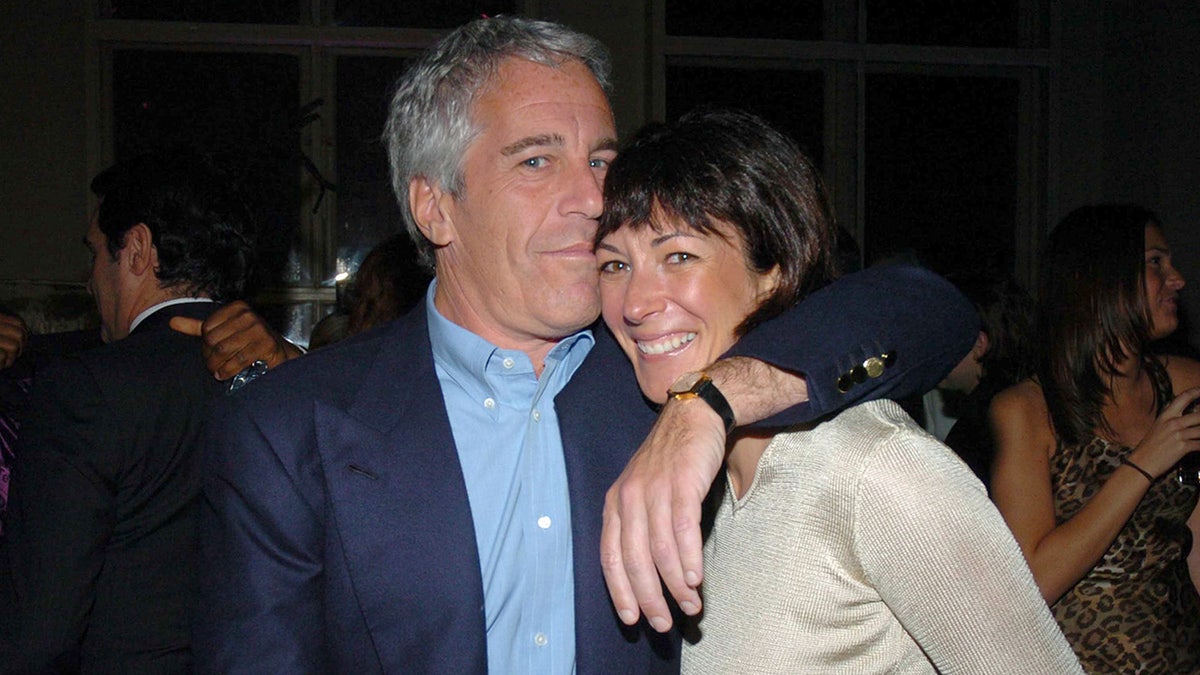
The House Oversight Committee has released a report detailing significant prosecutorial failures and institutional negligence that enabled Jeffrey Epstein and Ghislaine Maxwell to continue exploiting young women and girls for years. Led by Chairman James Comer, R-Ky., the investigation highlights concerns about potential conflicts of interest among federal prosecutors and financial institutions that neglected warning signs of sex trafficking.
Conflicts of Interest and Prosecutorial Involvement
The report identifies two former federal prosecutors with potential conflicts of interest in Epstein’s original investigation. Matthew Menchel, a senior federal prosecutor, recommended a non-prosecution agreement for Epstein. Menchel had a previous romantic relationship with Lilly Ann Sanchez, who later represented Epstein. Despite this, Menchel did not recuse himself and maintained communication with Epstein, as shown in documents cited by the committee.
Former prosecutor Bruce Reinhart is also scrutinized for establishing a private law practice while still employed by the U.S. Attorney’s Office. He later represented Epstein’s associates in matters related to Epstein’s work-release program. Neither Menchel nor Reinhart responded to requests for comment from news sources.
Alleged Misconduct and Investigative Gaps
The committee is urging further investigation into former Miami Beach Mayor Philip Levine and celebrity hairstylist Frédéric Fekkai, following allegations from Sarah Kellen, a former Epstein assistant. Kellen testified that Epstein and these associates sexually abused her, claims that both Levine and Fekkai have denied.
Kellen also noted that Epstein directed an assistant to remove computers and hard drives from his residence before a 2005 search, believing they contained evidence of sexual exploitation. Federal investigators had a lead on this equipment but dropped the effort before finalizing the non-prosecution agreement.
Further Investigations and Recommendations
The report calls for additional inquiries into individuals like Lesley Groff, Epstein’s executive assistant. Groff, who arranged Epstein’s appointments and travel, testified she was unaware of the abuse and continued working for him post-conviction. The committee also criticizes Epstein’s post-2008 conviction treatment, highlighting abuses during his work-release privileges.
Epstein’s connections with high-profile figures, including Bill Gates and Commerce Secretary Howard Lutnick, are scrutinized. Both Gates and Lutnick face allegations related to their interactions with Epstein, though they deny wrongdoing. The committee urges further examination of these relationships.
Political and Legal Implications
The investigation also touches on political figures, such as Kathryn Ruemmler and Rep. Stacey Plaskett, who maintained professional relationships with Epstein. House Democratic leader Hakeem Jeffries faced scrutiny over campaign communications involving Epstein but denied any connection or receipt of donations.
Lastly, the committee points out prison security failures related to Epstein’s 2019 death but upholds the official suicide ruling. They criticize the Justice Department for disclosure shortcomings that exposed survivor information. The investigation found no evidence implicating President Donald Trump and accuses congressional Democrats of politicizing the case.