
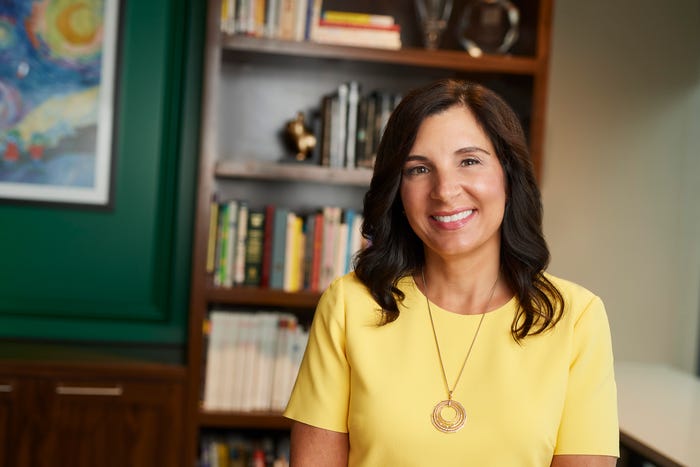
During the pandemic, Linda Matzigkeit, the chief administrative officer at Children’s Healthcare of Atlanta, felt a strong urge to make a tangible difference. As the hospital faced a rapid loss of clinical staff due to parental commitments from remote schooling, she decided to step into the frontline role herself.
Choosing to Become an EMT
Matzigkeit’s passion for healthcare comes from a desire to help others. Though not inclined towards a career as a nurse or doctor, she considered becoming a pharmacist at one point. During COVID-19, she consulted with colleagues to figure out the quickest route to joining the clinical staff. The consensus was to train as an Emergency Medical Technician (EMT).
Training Without Revealing Leadership Role
With her son away at college, Matzigkeit found time to pursue this new role, albeit with some apprehension about her capabilities. The EMT course turned out to be quite demanding. She attended classes during the week and participated in training shifts on ambulances and in emergency rooms over weekends. She did not disclose her leadership position to her instructor, wishing to be taken seriously as a student. Despite the challenges, she earned her national certification within six months.
Experiencing ER Shifts
After certification, Matzigkeit began working shifts in the hospital’s emergency department. Despite her executive role, she had to complete 100 hours of EMT orientation, which proved challenging during nights and weekends. Her tasks involved starting IVs, assisting with procedures, and providing comfort to anxious parents. Her participation in the busy environment reinforced her understanding of the clinical staff’s workload. Although she did not receive additional pay for these ER shifts, she viewed it as volunteering her time.
Reevaluating Communication
The experience drastically changed her perspective on internal communication. She discovered that emails were often unread due to the fast-paced nature of the ER. This realization prompted the introduction of a new internal tool similar to social media for providing quick updates. Matzigkeit also contributed to start-of-shift huddle discussions, recognizing the importance of face-to-face communication in high-pressure settings.
Reflection on the Experience
The journey humbled Matzigkeit, as she sought to improve her skills alongside seasoned staff. She endeavors to do at least one shift a month but finds it challenging. Matzigkeit encourages others who aspire to become EMTs, sharing that the experience taught her about achieving goals through determination. Her commitment has positively influenced both clinical staff and hospital leadership.