
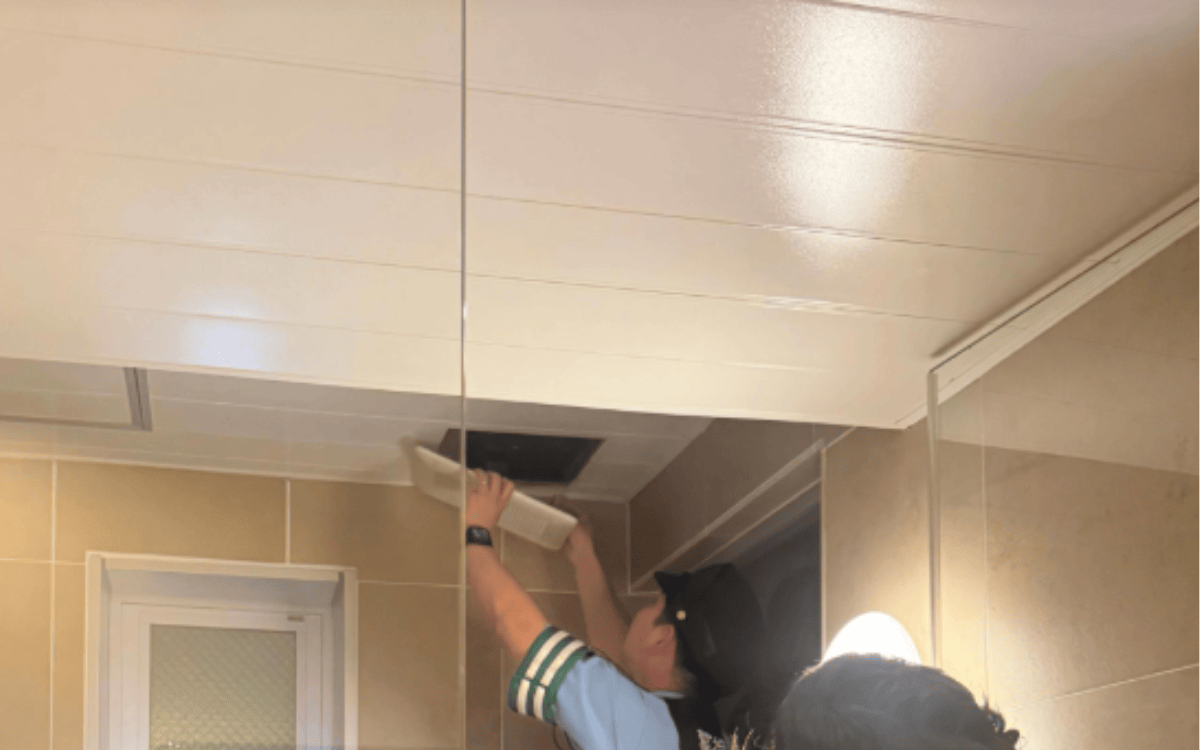
Upon arriving at their hotel in Tokyo, Sedef Demir and her husband took precautions to check for hidden cameras. Having heard about past incidents, Demir scrutinized the room. At Hotel Aperto, an adults-only establishment booked through Booking.com, she noticed a suspicious “small lens” under the television.
Demir explained further: “We examined it closely and realized it wasn’t part of the TV. It was loosely attached with adhesive. When removed, we found an SD card inside.” Unsure if it was a camera, they contacted the hotel manager, who confirmed it was and apologized for the intrusion.
At Booking.com, customer safety and privacy are paramount. Surveillance in private spaces such as bedrooms is prohibited. Hidden recording devices violate privacy laws, and properties not complying can be suspended or removed from our platform.
Booking.com assured they prioritize guest privacy. Demir stressed they weren’t accusing hotel staff, even though the manager suggested a previous guest might have left the camera. Still, the origin of the device remains unknown.
Police investigated but found the SD card empty, making it impossible to pursue charges. They inspected the room further, confirming no additional cameras were present.
Security Expert’s Insights
Cybersecurity expert Adrianus Warmenhoven noted that while rare, hidden cameras in hotels occur more than travelers might believe. Miniaturization and cost reductions in technology contribute to this issue. He praised guests like Demir who inspect their environment.
Warmenhoven highlighted common hiding spots: smoke detectors, alarm clocks, showerheads, USB chargers, power outlets, and other ordinary room items. He advised travelers to pay close attention to electronics facing beds or bathrooms.
Deciding to Check Out
Despite being offered an additional free night, Demir and her husband opted to leave the hotel, citing safety concerns. They reached out to the Japanese Hotel Association (JHA) but await a response. Newsweek also contacted the JHA and Japan National Tourism Organization (JNTO) for comments.
Demir shared their story to raise awareness, hoping authorities would improve tools for addressing such issues. Warmenhoven advised their actions were correct: document evidence, report it to the hotel and platform, and involve the police. He suggested travelers consider changing accommodations immediately in similar situations.
Finding Hidden Cameras
Warmenhoven explained detecting hidden cameras doesn’t require advanced gadgets; a smartphone suffices. A light source directed at suspicious areas can reveal camera lenses as red or blue reflections. He recommended checking surroundings like smoke detectors and electronics facing private areas.
Another tip includes scanning the Wi-Fi network for unauthorized devices. Apps like Fing list connected devices, potentially identifying covert cameras. Testing the Wi-Fi router by switching it off can gauge suspicious activity if the owner promptly queries the interruption.
Finally, checking mirrors with a simple test: pressing a finger against the glass reveals if there’s a gap. A no-gap reflection hints at a one-way mirror, potentially with surveillance capability. Shining a flashlight from an angle may uncover what’s beyond it.