
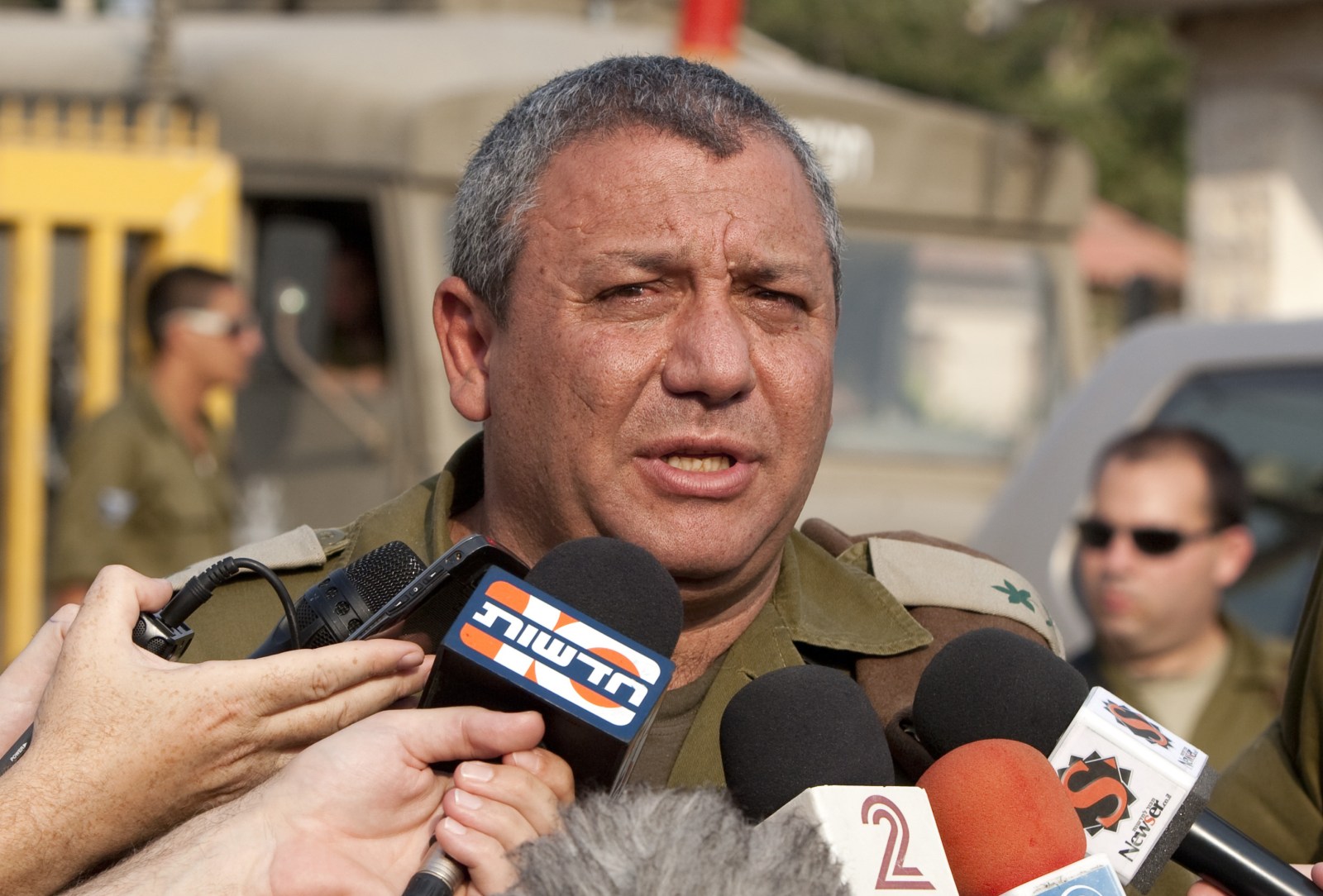
Israeli Prime Minister Benjamin Netanyahu faces challenges in maintaining power, with his rival Gadi Eisenkot unlikely to gain favor with Hezbollah, an Iran-aligned group in Lebanon. Their animosity dates back over two decades. Eisenkot, a former Israeli commander, played a pivotal role in targeting civilian infrastructure during the 2006 conflict with Lebanon. This approach, termed the “Dahiyeh doctrine,” focused on areas south of Beirut, under Hezbollah control.
Currently, Eisenkot’s strategies may offer a new direction amid the protracted conflict between Israel and Hezbollah. A key architect of the Israel Defense Forces (IDF), he is expected to maintain a robust stance against Hezbollah.
Amal Saad, a politics lecturer at Cardiff University, detailed Hezbollah’s stance on Israeli elections, noting that Eisenkot is not seen as a moderate alternative to Netanyahu. Saad emphasized the political repercussions of Israeli and U.S. electoral outcomes, viewing these as opportunities for Hezbollah’s allied “Axis of Resistance.”
Eisenkot’s hardline approach includes citing population harm as a tactic against Hezbollah leader Hassan Nasrallah. He rose through the IDF’s ranks to become chief of staff and Netanyahu’s minister before challenging him electorally. Despite endorsements from some quarters, Eisenkot remains undeterred in his military strategy discussions.
During his campaign, Eisenkot criticized Netanyahu for not adopting aggressive measures. While some observe differences in military tactics, Eisenkot’s and Netanyahu’s views on Lebanon’s destruction and Washington’s role appear similar.
Eisenkot, in a 2008 speech referencing his military outlook, stated, “Harming the population is the only means of restraining [Hassan] Nasrallah.”
The Dahiyeh doctrine’s elements have extended beyond Lebanon to areas like Gaza, with escalating intensity and scope. Scholars have noted that Eisenkot’s strategy initially served deterrent purposes but has evolved to facilitate occupation and possibly annexation.
Eran Etzion, ex-deputy head of the Israeli National Security Council, pointed out that Israel’s current practices diverge from previous doctrines. He indicated how the IDF’s recent actions diminished earlier distinctions, like minimization of civilian impact.
Future prospects suggest that if Eisenkot seeks to revive Israel’s international image by moderating military actions, institutional barriers might hinder efforts.
Etzion claims stable Israeli-Lebanese peace might only come with a U.S.-Iran understanding. Historical instances show U.S. mediation influenced Middle Eastern ceasefires, though Israeli adherence has varied, particularly under Netanyahu.
Recently, U.S. mediators have facilitated Israeli-Lebanese peace talks, despite Hezbollah’s influence. Lebanese figures like President Joseph Aoun and Prime Minister Nawaf Salam advocate disarming Hezbollah but are wary of igniting sectarian conflict reminiscent of past civil wars.
Barbara Leaf, a former U.S. State Department official, critiqued Netanyahu’s strategies in Lebanon, aligning military campaigns with potential diplomatic benefits.
As the IDF conducts ongoing operations, Eisenkot’s decades-long evolution reflects broader strategic military shifts. Eitan Shamir, former National Security Doctrine head, noted that Eisenkot and the IDF have adjusted to contemporary warfare techniques, enhancing Israel’s military options through advanced technologies.
Similarly, Hezbollah has evolved, innovating its tactics in response to joint U.S.-Israeli operations against Iran. Shamir surmised that insights into Hezbollah’s operations render Eisenkot prepared for substantial military engagements if necessary.
Ultimately, differences between Eisenkot and Netanyahu center more on strategic focus, decision-making processes, and the synchronization of military and diplomatic initiatives than on fundamental opposition to addressing Hezbollah directly.