
Seventeen years ago, Jennifer Thompson faced a painful truth. She had mistakenly identified an innocent man, who was consequently imprisoned, while the actual perpetrator continued his crimes. This kind of error, often revealed through DNA evidence, affects not only the wrongfully convicted but also the crime victims.
Jennifer Thompson, a rape survivor, understands this impact. Over the years, she has taken on a unique mission. She brings together victims and exonerees for what she calls ‘healing justice.’ This innovative approach is unlike anything attempted before and seeks to bridge the gap between these groups.
The Healing Justice Retreats
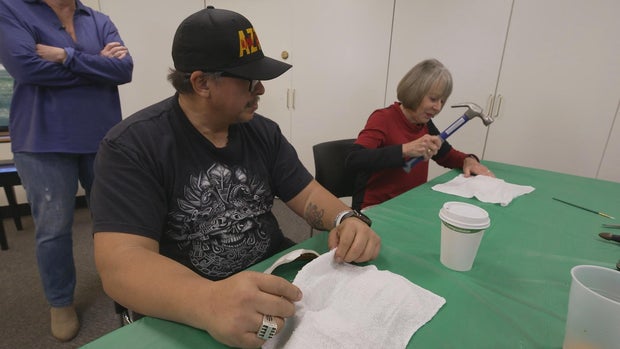
Thompson organizes retreats where victims of crimes and wrongfully convicted individuals come together. The retreat activities include symbolic exercises, such as breaking bowls and repairing them with glue, which symbolize the damage of wrongful convictions and the efforts to mend broken lives. Participants engage in activities, share meals, and exchange personal stories.
One powerful exercise involves participants crafting letters to themselves. They write from a space of self-criticism and follow with letters of self-compassion. This acts as a catalyst for healing and self-forgiveness among attendees, fostering a sense of shared experience and empathy.
The Scope of Hurt
Lesley Stahl, interviewing these individuals, highlights the vast impact of wrongful convictions. Victims and exonerees describe feeling isolated and blamed for events beyond their control. The justice system’s flaws not only change lives but also fail to support those who need it most. Families are left to grapple with pain and injustice, often feeling forgotten during the legal aftermath.
For Andrea Harrison, who lost her mother to a murder where the wrong man was convicted, the impact is profound. Despite the exoneration of the wrongly accused, the true criminal remains unknown, leaving a void for the families of victims.
Fostering Understanding and Empathy
Throughout the retreat, participants like Raymond Towler, wrongfully imprisoned for 29 years, share intimate stories of adjustment and stigma after release. His story, along with others, illustrates the difficult path of rebuilding lives after wrongful imprisonment.
The structure of the retreat, designed by Thompson through her trauma recovery studies, aims to bring healing and closure. By confronting personal pain and extending compassion, participants begin to reconcile their experiences.
The Road to Healing
The retreat fosters a safe environment for honest dialogue. Participants confront difficult emotions and misconceptions directly. As they share their narratives and empathize with one another, they slowly dismantle the barriers of misunderstanding.
Lesley Stahl notes the exercises and games serve to rekindle a sense of safety and community. Participants engage in improv games, encouraging lighthearted interaction and relieving tensions. This new sense of community helps participants process their experiences collectively.
As the retreat concludes, there’s a visible shift. From initial hesitations, participants find courage and connection. They express gratitude and support for one another, marking a significant step toward personal and communal healing.
Continuing the Journey
Healing Justice not only provides support but also advises prosecutorial offices on how to better aid all parties affected by wrongful convictions. The goal is to ensure all voices are heard and considered, especially those often overshadowed.
By addressing wounds left by the justice system, Thompson’s work paves the way for healing and understanding, impacting countless lives in the process.