
Emotional Farewell
A Georgia woman, Ansley Brown, has shared a heartfelt goodbye to her childhood home. Located in Coweta County, this property is set to be demolished by Georgia Power. Brown posted an emotional message on X, stating, “Today is the day we say goodbye to my childhood home. Soon to be demolished by Georgia Power for the data centers.” She accompanied her message with a video bidding farewell to the place where she grew up. This marks the end of a lengthy dispute surrounding plans to acquire her family’s land for a transmission project.
Advocate Against Infrastructure Expansion
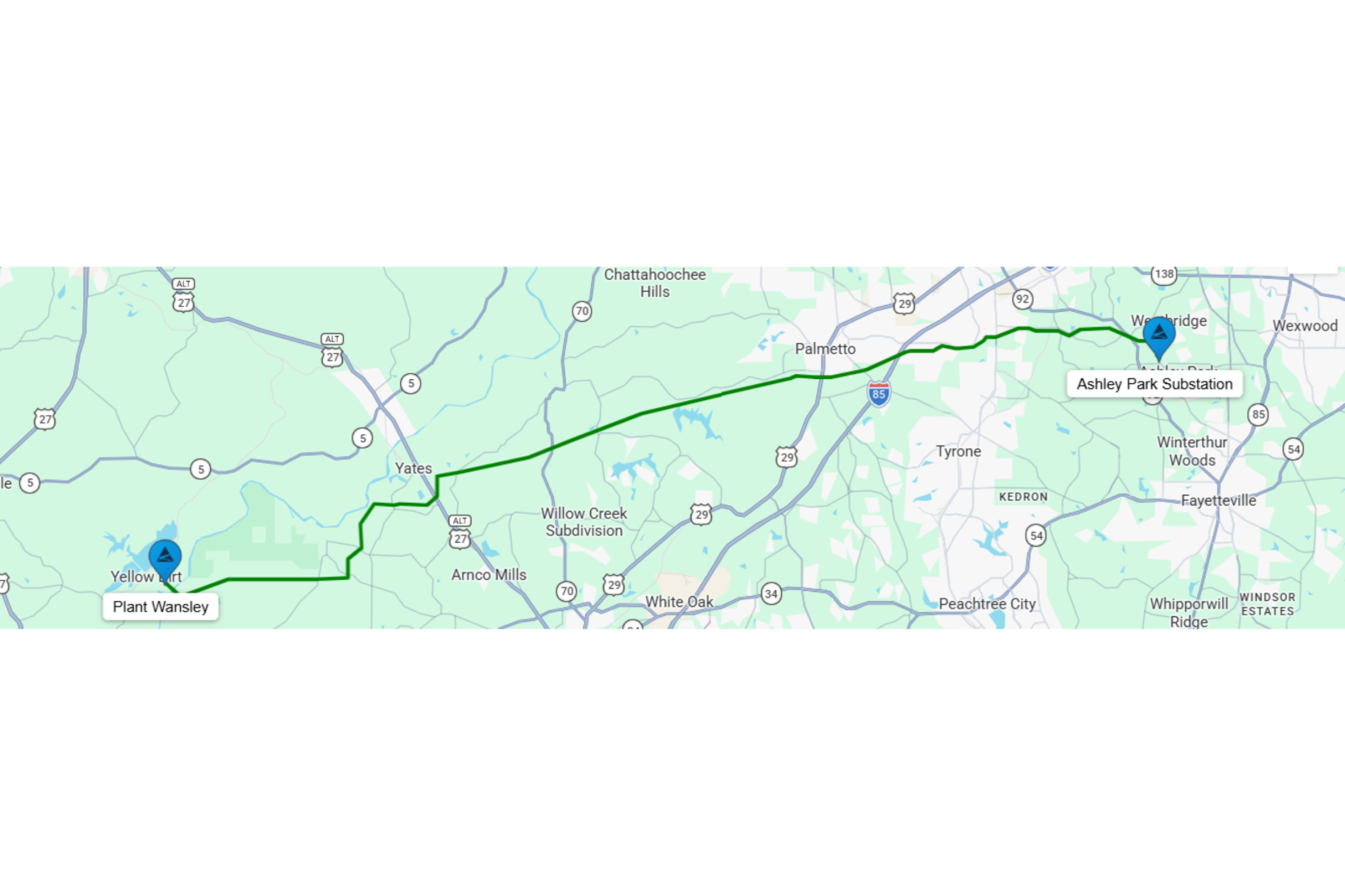
Over the past year, Brown has emerged as a prominent critic of Georgia Power’s plans. She has been vocal on social media, documenting her family’s struggle and highlighting the impact on rural communities. The project in question is known as the Ashley Park-Wansley 500-kilovolt transmission line, spanning 35 miles. Georgia Power argues the line is essential for grid reliability and meeting Georgia’s growing energy demand.
Generational Wealth Concerns
In an interview with Marjorie Taylor Greene’s program, Brown lamented the loss of property meant to remain in her family for generations. “They’re going to completely demolish it to the ground,” Brown said. She stressed the significance of the home as a source of generational wealth. “The whole point for us was generational wealth, which is the American dream. And it’s being taken from us,” she added. Her statements brought wider attention to her opposition to the use of eminent domain for such projects.
Understanding Eminent Domain
Eminent domain allows governments and utilities to procure private property for public-purpose projects, as long as owners receive adequate compensation. The Fifth Amendment of the U.S. Constitution supports this concept. Under Georgia law, utilities have the power to exercise eminent domain for certain projects by following legal procedures and providing compensation. Brown contests the classification of data centers as qualifying for public-use projects.
Georgia Power’s Stand
Georgia Power defends its project as essential for improving grid reliability and meeting energy needs. It asserts that eminent domain is employed only when absolutely necessary. A company spokesperson told CBS News, “It’s a last resort for us and it’s something we never want to do.” Georgia Power maintains that data centers will account for most of the demand on the new transmission line, with the rest serving residential and commercial needs.
Despite compensation offers, Brown’s struggle represents a broader tension between technology-driven infrastructure expansion and private property rights. Her efforts have drawn attention to the impact of data centers on local communities. As Brown’s childhood home faces imminent destruction, her advocacy highlights these complex issues.