
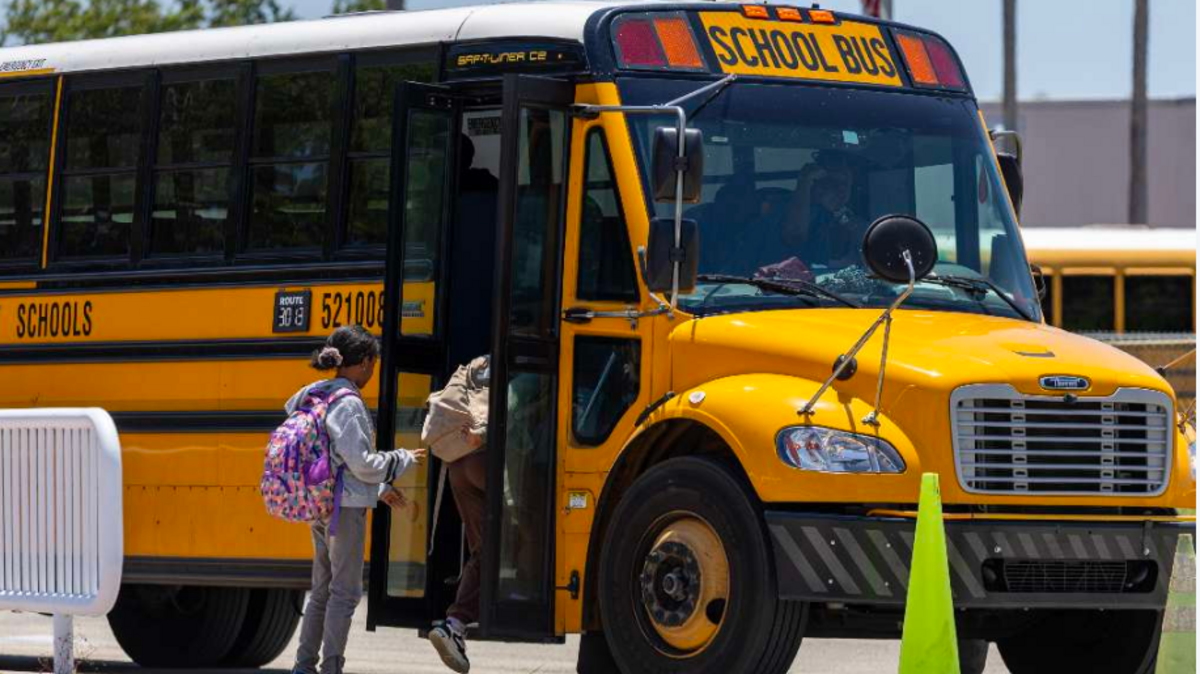
In Florida, a growing number of students are attending schools outside their designated zones. At Moreland’s Alternative Educational Academy in Pompano Beach, the impact of this trend is evident. A young girl confidently said about her school, ‘We’re smart.’ This confidence stems from the foundation built by Karen Moreland-Alford, a former educator from Broward County. She developed a Christian K-12 school, growing it from just a few students to nearly 200.
Parents shared stories of children transitioning from unsafe, underperforming schools to thriving environments and setting college aspirations. Moreland-Alford asserts that without Florida’s education choice scholarships, her school would not have been possible. These scholarships do more than provide families with options; they empower teachers to create schools. Florida should protect these scholarships and further support educators by opening public buildings, providing start-up assistance, and reducing bureaucratic hurdles.
The effectiveness of such measures is already evident. In the last two decades, numerous public school teachers and principals have left traditional settings to establish their own schools, often in underserved communities. These schools cater to specific needs, such as faith-based education or specialized support for disabilities. The key factor enabling these opportunities is the funding model, where financial support follows the child.
A teacher opening a school in a low-income area now knows that a scholarship provides about $9,000 per student, with more for disabled students. Before these options existed, only families who could afford certain ZIP codes or private tuitions had choices, and visionary educators had no clear path forward.
Nevertheless, founders face challenges in establishing their schools. They often start in makeshift locations like church classrooms due to a lack of access to public facilities. Critics view these humble beginnings as signs of low quality, but parents prioritize the educators and quality of instruction over new facilities. Utilizing vacant public buildings could significantly accelerate successful ventures.
Research by the Urban Institute shows that low-income students using Florida’s tax credit scholarship enroll in college at higher rates than those who do not. If schools underperform, parents can easily move their children, a decision not commonly available in district schools.
Some school districts recognize the benefits of competition. In Polk County, for example, two teachers established Wonderhere, a Montessori-based micro-school, and expanded to three locations due to high demand. The district eventually partnered with Wonderhere to benefit more students directly.
Currently, over 50% of Florida’s K-12 students attend schools outside their zoned district, according to the James Madison Institute. This shifting landscape shows that choice complements public education rather than opposing it. Despite this success, threats to eliminate education choice scholarships persist, which would limit family options and hinder teachers aiming to innovate.
Florida’s experience over the past two decades demonstrates the positive impact of trusting parents and unleashing educators’ potential. Now is the time to further this progress. The kindergarten students in Pompano Beach know this well.
Erika Donalds is a mother of three, former Collier County School Board member, education entrepreneur, and CEO of the Education Freedom Foundation. She is also the wife of Republican gubernatorial candidate Byron Donalds.