
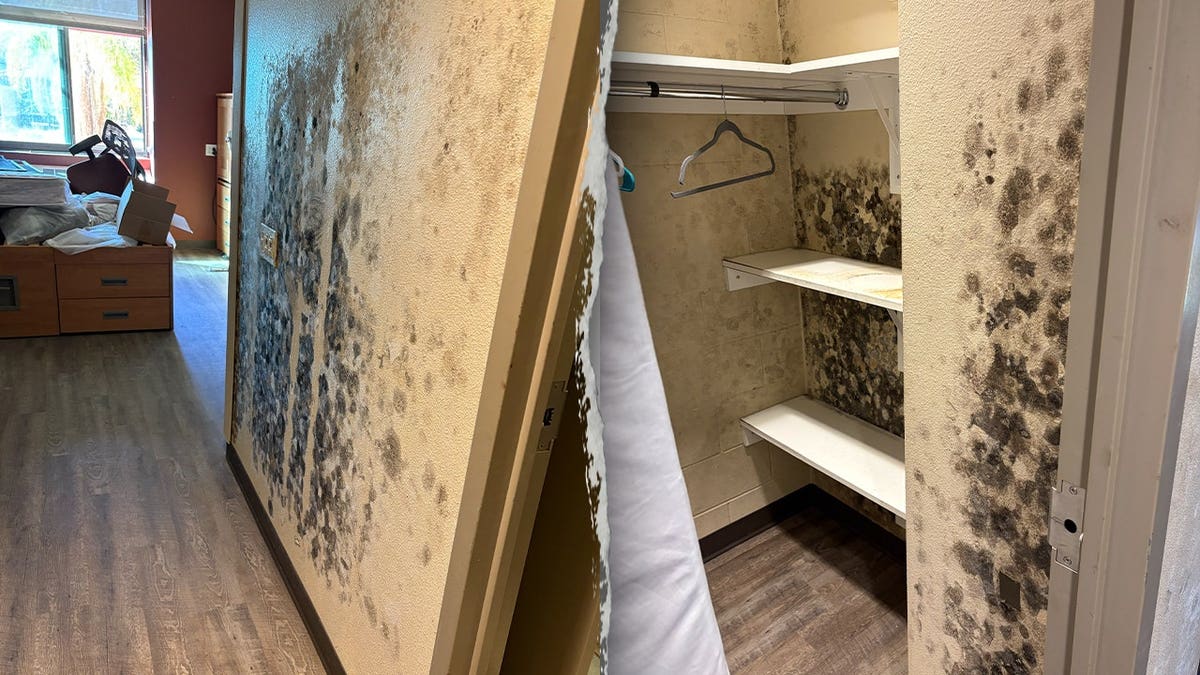
Some military troops have endured a year without hot water. Others sleep in their cars to escape barracks lacking air conditioning. Service members are asking for basic tools like drywall, spackle, and paint to make essential repairs themselves. These conditions were identified by Medal of Honor recipient Dakota Meyer, who is on a mission from War Secretary Pete Hegseth to address long-standing issues in military barracks.
Meyer serves as a senior adviser on the Pentagon’s Barracks Task Force. He has visited over eight military installations across the Army, Navy, Air Force, and Marine Corps. He plans to visit 30 more before the year’s end.
“Only a couple of installations I’ve seen are good,” Meyer stated in an interview. His task quickly shifted from professional duty to a personal mission. At some barracks, extensive mold and water damage plague the walls. At one visit, a 19-year-old service member expressed that a hot shower would significantly improve her living conditions.
The Pentagon’s barracks issues have persisted despite numerous reform attempts. A 2023 Government Accountability Office report revealed severe health hazards and a lack of reliable information on barracks conditions. The report detailed that the department struggled to track spending and oversight effectively.
Despite commitments of billions of dollars for improvements by Congress and the military, including the Marine Corps’ “Barracks 2030” initiative, substantial issues remain. As of this year, 12 recommendations from the GAO’s 31 suggestions are still unmet.
Hegseth aims to centralize efforts with a department-wide task force to speed up repairs. Meyer discussed that the mission set by Hegseth emphasizes fixing problems rather than merely identifying them. The task force was given authority to make decisions and direct funding promptly. Meyer believes that having an authoritative role was crucial to the mission’s success.
The issues are not only financial. Funding deficits, deferred maintenance, and a cumbersome contracting process exacerbate delays. A watchdog review highlighted a $285 billion maintenance backlog, indicating broader infrastructure challenges.
Meyer noted that progress assessment often relies on financial expenditures rather than real improvements in living conditions for service members. He emphasized that service members care about their living conditions, not budget lines.
For Meyer, firsthand engagement with affected troops is essential. “You must talk to the service members,” he said. Troops ask for basic amenities like a hot shower, clothes washing facilities, locks on doors, and mold-free environments.
Meyer recognizes a complex, multi-dimensional problem rather than blaming installation commanders outright. Many commanders want to improve living conditions but are hindered by a system that has tolerated subpar conditions.
Meyer criticized past leadership efforts that didn’t prioritize adequate living conditions, despite investments and reform initiatives. He praises Hegseth for making troop welfare a personal priority.
Meyer asserted personal accountability for success. He defined success as living spaces where he would be comfortable having his daughters live.