
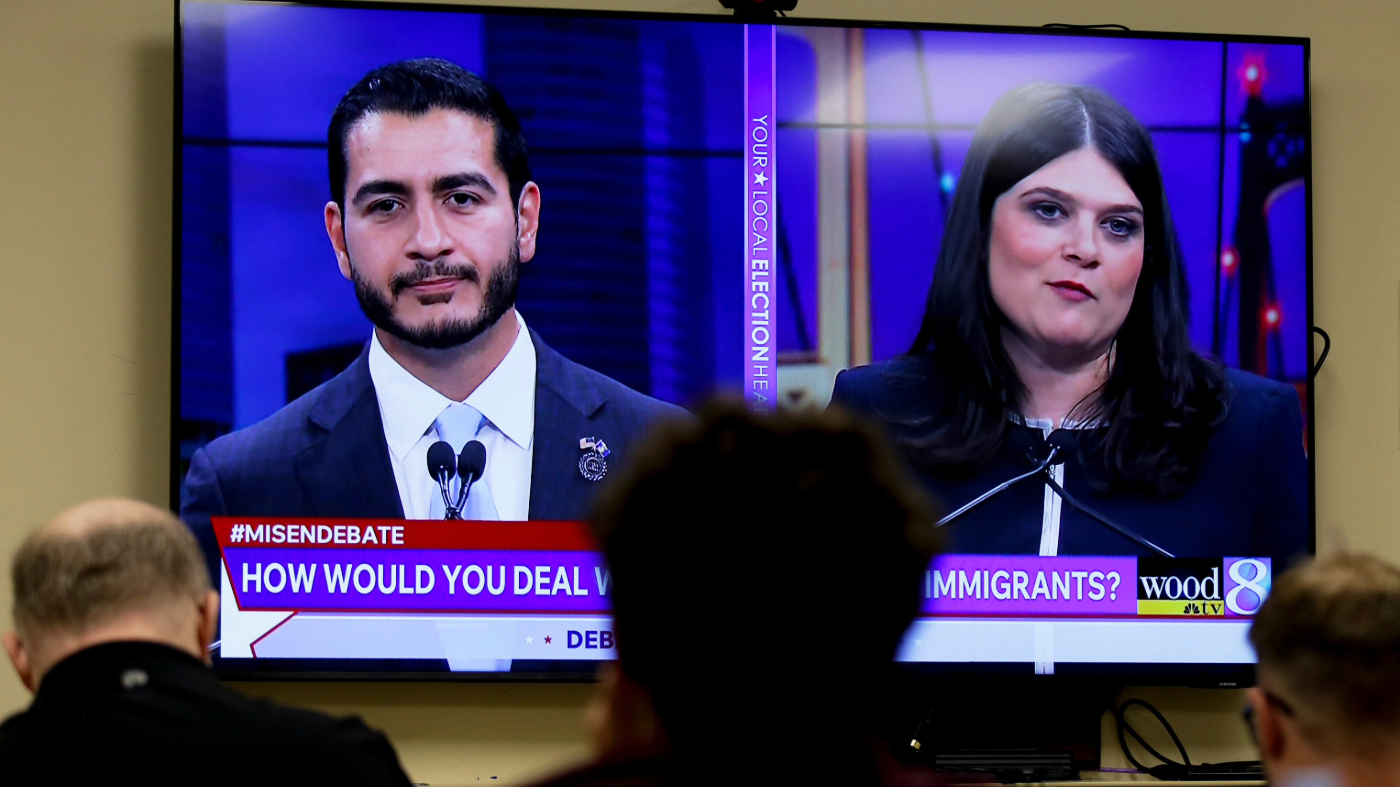
In Michigan, a debate between U.S. Senate candidates Abdul El-Sayed and Rep. Haley Stevens took place at WoodTV studios on July 7, 2026. This event highlights the shifting dynamics among Democrats as they approach the November elections, potentially setting the stage for the 2028 political landscape. If Democrats win control of Congress, their majorities may hinge on their most left-leaning members, leading to potential challenges for party leadership.
Currently, Democrats find themselves trailing with 215-220 seats in the House and 47-53 seats in the Senate. To gain control, they need a net gain of three seats in the House and four in the Senate this November. Historical data from 1986-2022 suggests the presidential party tends to lose seats in second midterm elections. Republicans should expect to lose approximately 11 House and six Senate seats based on these averages. However, more recent averages from the 2006 and 2014 elections show they might lose 21 House seats and 7 Senate seats.
Nonetheless, Republicans are poised to counter these averages. They secured favorable outcomes during mid-decade redistricting, gaining about 10 seats. Furthermore, this year’s Senate map benefits them more than in previous years, and they also enjoy a funding advantage. The Supreme Court’s recent decision on campaign spending limits amplifies their edge. Previously capped, spending limits now no longer apply, giving Republicans a further boost.
Consequently, the expected gains for Democrats remain limited and uncertain. Even with potential victories, any majority could be narrow. Should Democrats secure either or both congressional bodies, marginal members might create hurdles for leadership. Many Democratic socialists have been successful in primaries, securing likely general election wins. For instance, following Mayor Zohran Mamdani’s endorsement, two democratic socialists won primaries for safe House seats in New York. In Colorado, Melat Kiros, another democratic socialist, defeated a long-time incumbent.
Similar trends are visible in Senate races. In Maine, the sudden withdrawal of Graham Platner throws the nomination into confusion, while in Texas, James Talarico emerges as the Senate nominee. In Michigan, Abdul El-Sayed, endorsed by Ocasio-Cortez, leads the Democratic Senate primary.
If successful, these left-wing candidates could join already influential figures like Alexandria Ocasio-Cortez, Rashida Tlaib, Greg Casar, and Summer Lee in the House, as well as Bernie Sanders in the Senate. With small Democratic majorities, left-wing members may have significant influence. They may refuse to back leadership’s proposals or align with Republicans to block legislation they find insufficiently progressive.
This potential shift in power dynamics presents a challenge to Democratic leaders. Nearly 100 members currently in the Congressional Progressive Caucus reinforce this possibility. Additional left-wing members are likely to add to this strength, amplifying their leverage over the next years, particularly in showcasing opposition toward the Trump administration.
The increasing influence of Democratic socialists may not align with mainstream Democratic interests, especially as the party heads into the 2028 presidential election without Trump on the ballot.
J.T. Young, in his book “Unprecedented Assault: How Big Government Unleashed America’s Socialist Left,” explores these political shifts. Follow his insights on Substack.
Copyright © 2026 Nexstar Media Inc. All rights reserved. Redistribution prohibited.