
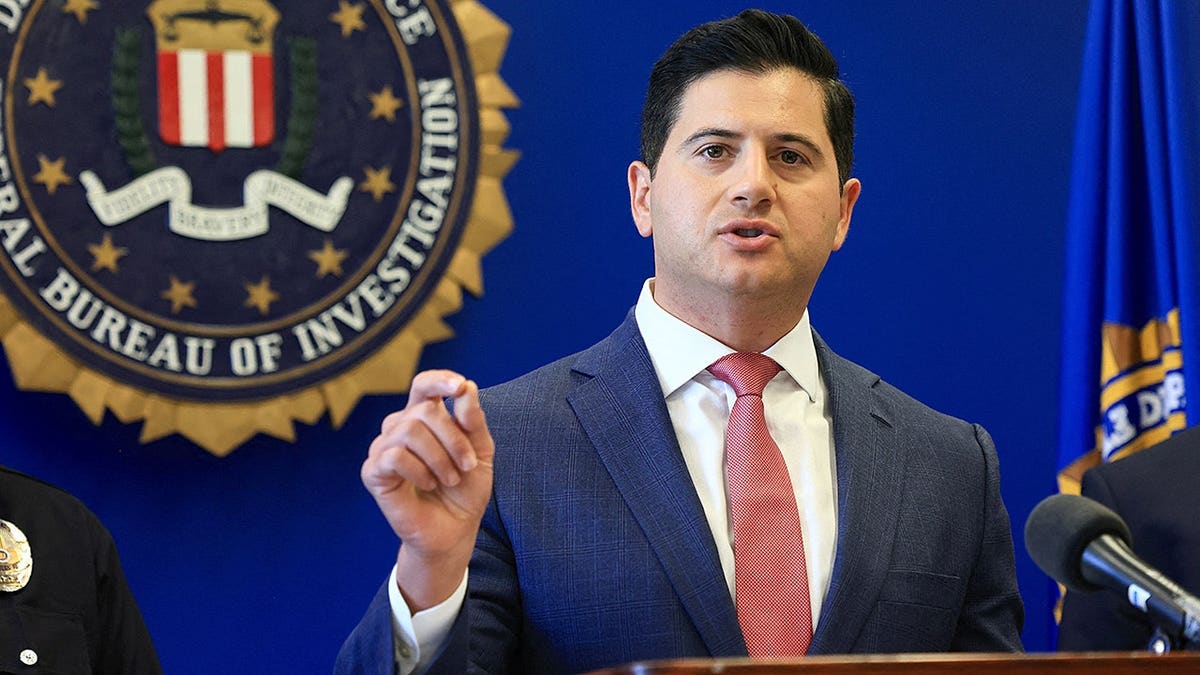
Assistant U.S. Attorney Bill Essayli has highlighted the pervasive nature of Chinese espionage in the United States. Recent arrests, including that of an alleged Chinese agent in Los Angeles, underscore Beijing’s extensive infiltration efforts.
In a discussion with Fox News Digital, Essayli detailed several charges filed against alleged Chinese spies. He emphasized China’s calculated strategy to infiltrate and influence the U.S. systems and society.
Espionage and Technology Theft
Essayli stressed that China’s espionage activities include stealing technology and engaging in sophisticated intelligence operations. He called for vigilance in protecting U.S. sovereignty. Recent cases handled by his office include one involving a woman from Irvine implicated in espionage against a Taiwanese president’s relative, as well as a case involving the sale of chips valued over $300 million to China.
Actions Against Alleged Agents
Authorities have taken action against individuals for serving as unregistered agents of China. One case involved a local mayor accused of promoting Chinese propaganda under direct orders from Beijing. These actions underscore the broad reach of Chinese influence operations.
In an FBI operation, Wanying Zhang, known as “Heather” in the U.S., was arrested for acting as an unregistered agent of the People’s Republic of China. She allegedly conducted surveillance on the family of Taiwan’s president in the U.S., including acquiring photos and license plate information.
Zhang coordinated with an associate and used certain tradecraft to avoid detection, failing to notify the attorney general, which constitutes a federal offense.
Security Measures and Concerns
Essayli noted that the FBI dedicates resources to combating these espionage activities. The focus is on supporting investigations and prosecuting cases to disrupt such operations.
Zhang, a naturalized American citizen, reportedly conducted surveillance on a relative of Taiwanese President Lai Ching-te, according to law enforcement sources. During surveillance, Zhang allegedly sent messages to Chinese contacts indicating her activities.