
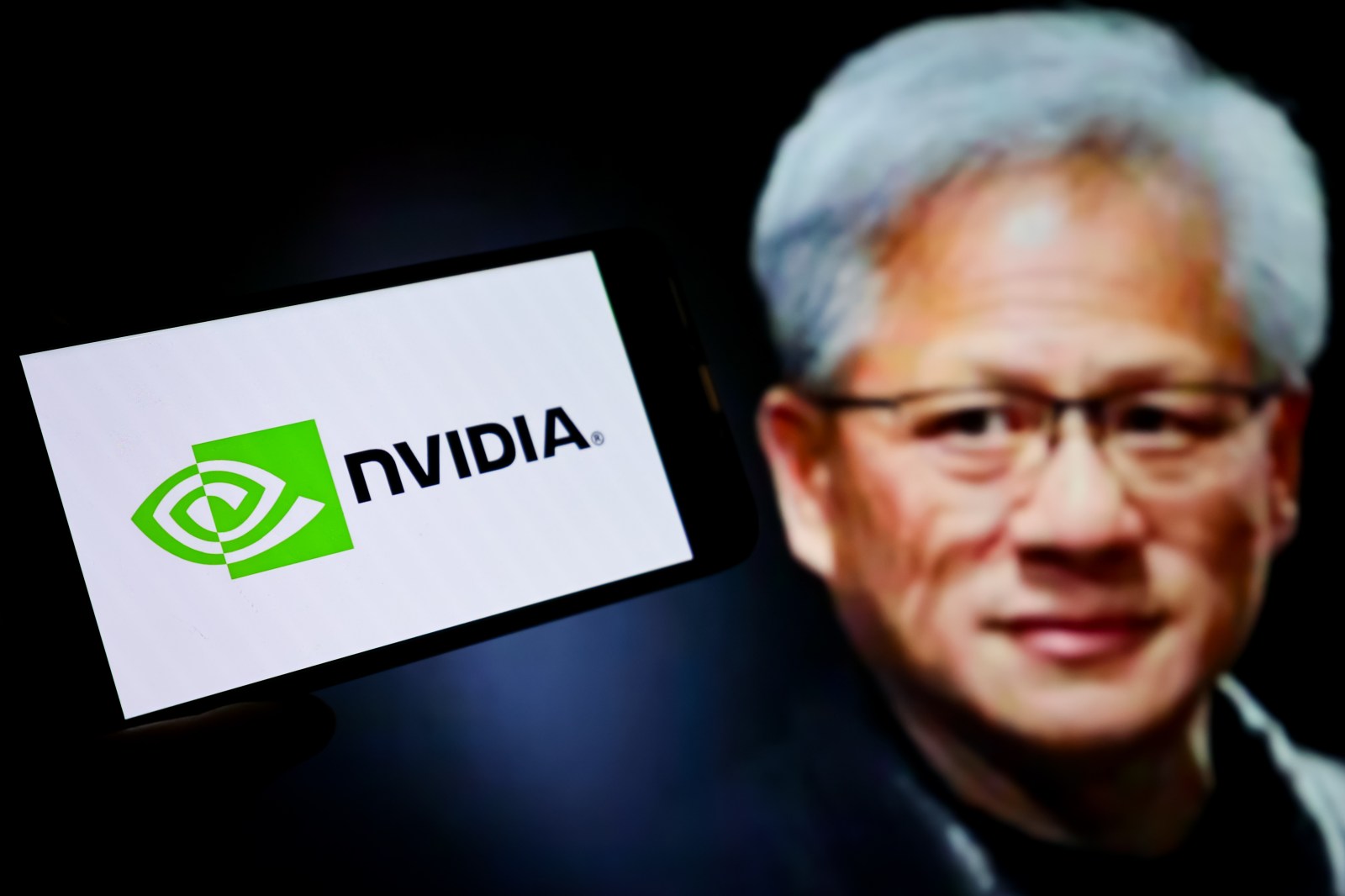
California Attorney General Rob Bonta issued a subpoena to Nvidia on Thursday amid an investigation into whether the company’s advanced chips or confidential information reached China. The inquiry also examines whether Nvidia misled investors about potential risks. This legal development follows the resignation of Nvidia co-founder Jensen Huang, who led the company for 33 years.
The subpoena arrives shortly after Nvidia’s board decided against reinstating Huang as CEO, despite backing from influential business and political figures. Bonta expressed concerns about Nvidia’s conduct, stating the company may have provided misleading information to investors. He emphasized the investigation’s focus on whether Nvidia’s actions allowed China to access advanced technology or sensitive information.
The investigation emerged after allegations surfaced regarding Huang’s affair with a woman linked to China’s Ministry of State Security. To date, there is no public evidence that Huang knowingly assisted Chinese intelligence or improperly transferred Nvidia technology.
The U.S. Securities and Exchange Commission is also investigating Nvidia’s disclosures to investors. The Wall Street Journal reported this development, citing sources familiar with the matter. Moreover, Nvidia faces shareholder lawsuits. A class-action suit filed on November 9 accuses the company of defrauding investors by concealing Huang’s alleged relationship with Alice Huang and her ties to Megaspeed. Another lawsuit filed on November 11 claims Nvidia’s board failed to adequately oversee the company and its former CEO.
Missouri Attorney General Catherine Hanaway is conducting a separate investigation to determine whether Huang’s actions negatively impacted state pension funds, exploring potential consumer protection law violations.
Corporate governance expert Charles Elson highlighted the seriousness of allegations related to Chinese intelligence. “The spy component or the intelligence component…could be extremely serious,” Elson noted.
California’s investigative subpoena has not concluded wrongdoing by Nvidia. Authorities have yet to confirm improper technology transfers to China or securities law violations. Such distinctions are crucial for Nvidia, which plays a key role in U.S. efforts to prevent China from obtaining advanced artificial intelligence capabilities.
The controversy surrounding Jensen Huang began on October 29, following a New York Times report linking him to Alice Huang, a former Megaspeed executive suspected of working for Chinese intelligence. Huang later admitted to an affair, prompting Nvidia’s board to launch an independent investigation and express initial confidence in his leadership. Subsequent reports about his personal conduct led to his resignation, with CFO Colette Kress serving as interim CEO.
Jensen Huang recently offered to return as CEO, should the board deem it beneficial for shareholders, employees, and the company. However, Nvidia chairman Harvey Jones dismissed this possibility, stating the board unanimously accepted Huang’s resignation and would not reinstate him.
The California investigation adds to existing scrutiny from Washington. Huang is scheduled for a transcribed interview on December 1 with three House committees, with Nvidia’s general counsel Tim Teter following on December 2. Lawmakers are evaluating Nvidia’s China operations and the potential national security risks linked to the scandal.
Nvidia recently established a National Security and Export Control Oversight Committee to monitor export compliance and global trade risks. Interim CEO Kress informed investors that Nvidia had halted shipments of licensed Hopper data center chips to China after generating $2.4 billion in sales from those products during the third quarter.
Despite these legal challenges, Nvidia reported exceptional financial performance, with record quarterly revenue of $115.8 billion and a fourth-quarter forecast of $130 billion. The ongoing investigation introduces new legal complexities to Nvidia’s leadership issues, prompting questions about the company’s knowledge, disclosure practices, and adherence to California law.