
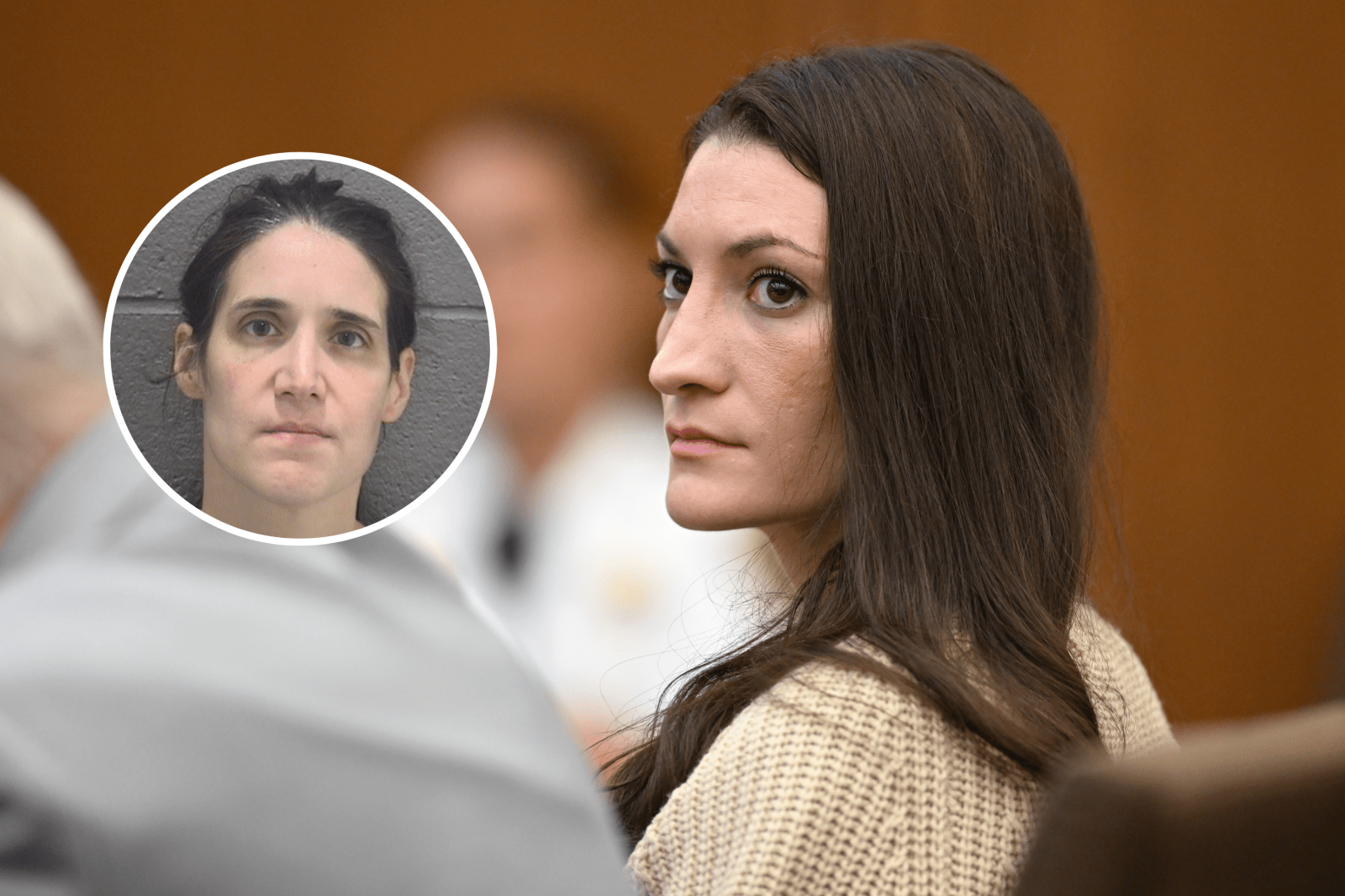
Andrea Faust, a North Carolina mother, faces charges of murdering her 3-year-old son and attempting to kill her 2-year-old. She seeks to pursue an insanity defense, which coincides with the Lindsay Clancy case in Massachusetts. Clancy, a former nurse, is charged with murdering her three children. Her defense claims not guilty by reason of insanity, sparking national discussion about severe mental illness and criminal responsibility.
The Clancy case highlights issues of maternal health care and postpartum struggles. Faust’s trial, scheduled for October, may continue this focus on mental health issues. Nicole Gallinsky, Faust’s lawyer, remarked on the similarities between the two cases, noting both mothers were seen as loving caregivers before the tragic events occurred.
Who Is Andrea Faust?
Faust, 41, is charged with first-degree murder and attempted murder. Her two children were found unresponsive at home on February 12, according to court records. Durham police responded to a medical emergency report at their residence. The eldest child, Percy, died at the hospital, while the younger child, Kenny, survived.
Eric Faust, Andrea’s husband, described the event as a mental health crisis, rather than typical behavior. He commended Andrea’s parenting and urged her in court to prioritize her own safety.
Court records reveal multiple suicide attempts by Andrea while in custody, including an incident leading to surgery. Authorities discovered she was hoarding Tylenol, suspected for self-harm.
In March, a judge declared Faust incapable of trial. She was sent to Central Regional Hospital for psychiatric treatment. On Tuesday, her attorney confirmed plans to pursue an insanity defense, implying that her mental state will be crucial if the trial proceeds.
Exploring the Insanity Defense
The insanity defense, rarely successful, requires proving severe mental illness that impaired understanding of actions. Gallinsky stated a psychiatrist will assess Andrea’s mental condition.
Comparing Andrea Faust’s Case to Lindsay Clancy’s
Both cases involve mothers facing serious mental health conditions while charged with harming their children. Clancy’s defense cites postpartum psychosis, characterized by paranoia and hallucinations after childbirth.
Gallinsky mentioned Faust experienced psychosis, yet not postpartum in nature, during her son’s death. Both women reportedly reached out to their mothers for help, acknowledging their invasive thoughts. Both cases reveal struggles with mental health preceding the violent acts.
Clancy was reportedly paralyzed after a suicide attempt following her children’s deaths. Her defense underscores postpartum psychosis, a psychiatric emergency requiring immediate intervention. Gallinsky emphasized failures in the healthcare system to take women’s mental health seriously, despite Faust and Clancy’s numerous pleas for help.
Declared competent to stand trial in May, Faust’s condition at the crime’s time was reviewed by Dr. Adrienne Saxton. She found Faust incapable of distinguishing right from wrong. A state-propelled mental health evaluation did not face objection from Gallinsky.
The cases involve crucial legal questions. Prosecutors must establish legal responsibility, while defense attorneys claim mental illness impaired judgment and awareness.
“Both of these cases highlight the failure in our society to take women and mothers seriously when it comes to their mental health. Both of these women advocated for themselves countless times and—for what? It got them nowhere,” said Gallinsky.
Lindsay Clancy Trial Update
Clancy’s ongoing trial in Plymouth Superior Court, Massachusetts, features testimony on her mental state before her children’s deaths. Dr. Paul Zeizel testified Clancy reported hearing a male voice directing her to kill. His testimony aligns with symptoms of psychosis.
Defense claims postpartum psychosis impaired Clancy. Prosecutors dispute this, referencing medical records lacking such a diagnosis. They also challenge forensic experts supporting the defense.
Competing testimony from medical professionals covers Clancy’s treatment history, interactions with providers, and emergency psychiatric help. Defense implies Clancy sought help extensively, while the prosecution maintains she was capable of rational decisions.
The trial, closely watched nationwide, continues to examine whether Clancy—deemed legally insane—can be held accountable for her children’s deaths. Parallel issues surface with Andrea Faust’s ongoing legal proceedings regarding mental illness and maternal mental health care.
Clancy’s case tests the postpartum psychosis defense in the U.S., possibly affecting Faust’s case too. Both raise awareness of the mental health service gaps faced by women in psychiatric crises.
If you or someone you know is considering suicide, please contact the 988 Suicide and Crisis Lifeline by dialing 988, text “988” to the Crisis Text Line at 741741, or visit 988lifeline.org.
Contact Newsweek editors on this story: Gray R. Thomas