
Current State of America’s Missile Defense
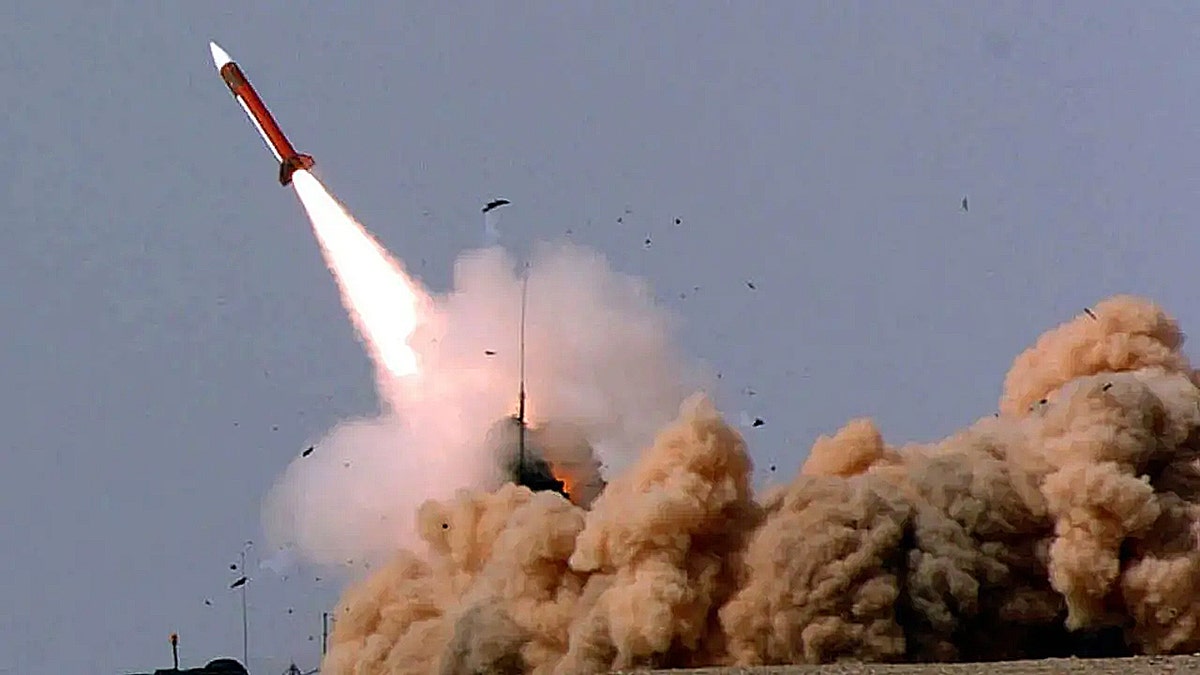
The Pentagon is facing a significant depletion in its missile defense interceptor stockpiles. After prolonged confrontations with Iran, America’s inventory of these crucial defense assets is dwindling.
Data from the Center for Strategic and International Studies shows that U.S. Patriot interceptor numbers have decreased from approximately 2,300 to less than 827. THAAD interceptor inventories have also dropped from 452 to under 278.
Rebuilding these stockpiles is estimated to take over three years, raising alarms about the ability to protect U.S. forces globally if another major conflict arises.
Implications for U.S. Military Strategy
Kelly Grieco, a missile expert, highlights that nearly half of the global inventory of Patriot and THAAD interceptors has been used. This depletion poses a significant challenge for U.S. military capabilities in other regions, such as Europe and the Indo-Pacific.
The Pentagon’s request for emergency funding in fiscal year 2026 allocates $18.2 billion to replace advanced interceptors like the Patriot and THAAD.
By 2031, it is expected that a substantial portion of munitions will be in the lower-cost range, indicating a shift in strategy to prioritize affordability.
Challenges in Production Scale
Defense analyst Jerry McGinn remarks that although existing munitions are effective, they were not designed for mass production. The intricate nature of these systems makes production slow, taking two to three years to complete.
The Pentagon has initiated discussions with Silicon Valley firms to assess the feasibility of producing defense technologies at scale.
Innovative Solutions from Tech Startups
Brandon Tseng, founder of SHIELD AI, reflects on the transformation in defense tech, especially in producing AI-driven targeting systems like the V-BAT. These systems offer affordable and versatile solutions comparable to high-cost drones.
The V-BAT’s AI capabilities allow it to function effectively in adverse conditions, such as GPS and communication jamming.
Iran’s Tactical Approach
Iran employs a strategy targeting U.S. bases to exhaust missile interceptor stockpiles. This approach pressures the Pentagon to continuously defend its troops, raising operational risks.
Grieco suggests that Iran’s perception is that U.S. interests are limited, while Iran views the conflict as critical to its existence.