
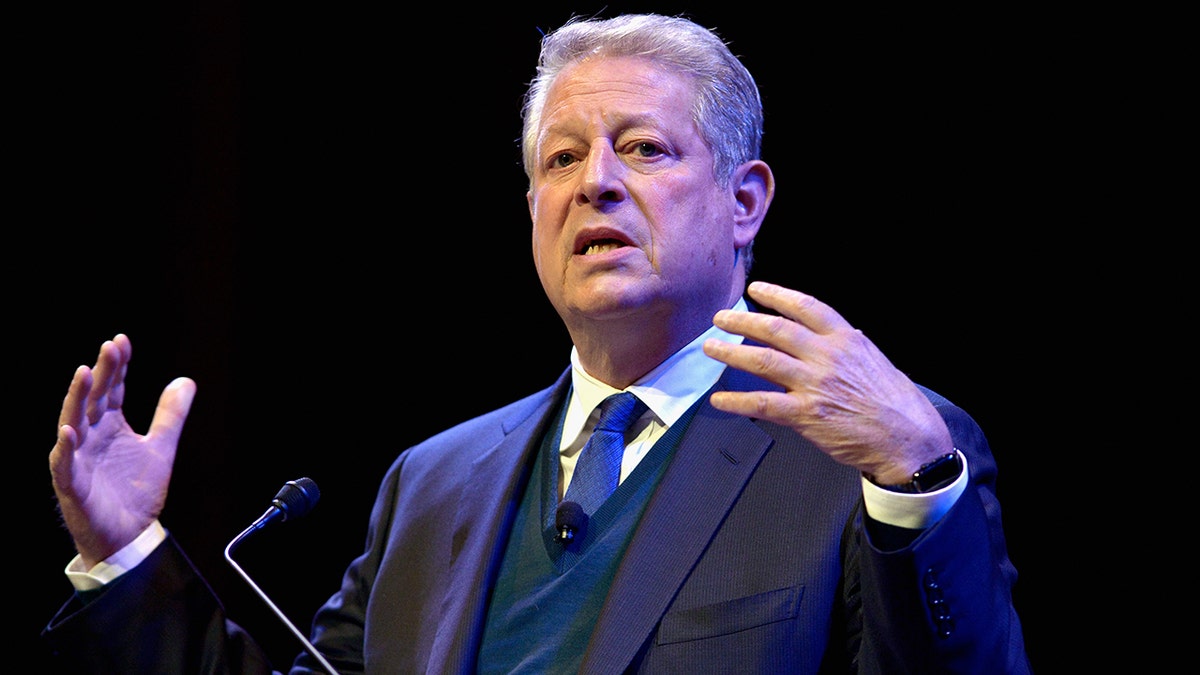
Al Gore, the former Vice President, appeared on CNN and suggested that people might avoid talking openly about supporting climate action due to fear of backlash, despite its lessened emphasis in upcoming elections. Speaking with Dana Bash on Inside Politics, Gore reflected on the 20th anniversary of his film, ‘An Inconvenient Truth’. Bash highlighted the reduced prominence of climate change in recent Democratic campaigns compared to the Obama and Biden eras.
When asked about advice for 2028 candidates and possible concerns about diminishing public interest, Gore countered that there remains significant concern. He introduced the term ‘greenhushing’, which describes people who silently engage in eco-friendly actions to avoid political scrutiny.
‘Greenhushing is when people continue to do the right thing, but they keep quiet about it, lest the evil Eye of Sauron focus on them. And I think that’s going to change in the wake of this election.’
Recent polls underscore the low priority of climate change for voters. A Gallup poll showed climate change ranking lowest among eleven issues, with a mere 29% of voters deeming it “extremely important”, and a Fox News Poll reported only 1% considering it the top issue.
However, Gore asserted that past scientific predictions in his documentary remain accurate, and humanity still has the potential to tackle the climate crisis. He maintained that once the fundamental issue is framed as a choice between right and wrong, the outcome will naturally align with what’s right.
Gore noted positive movement in addressing climate change since 2006, with only occasional setbacks. Democratic strategist Doug Schoen affirmed climate change’s significance within the party, anticipating its role in the 2028 presidential primaries. Julian Epstein, a Democratic consultant, expressed a different view, stressing that Democrats need a balanced energy strategy that avoids higher costs and promotes alternative sources.
Comments from both sides reveal differing opinions on the best approach to climate communication and policy, particularly in balancing economic and environmental interests.