
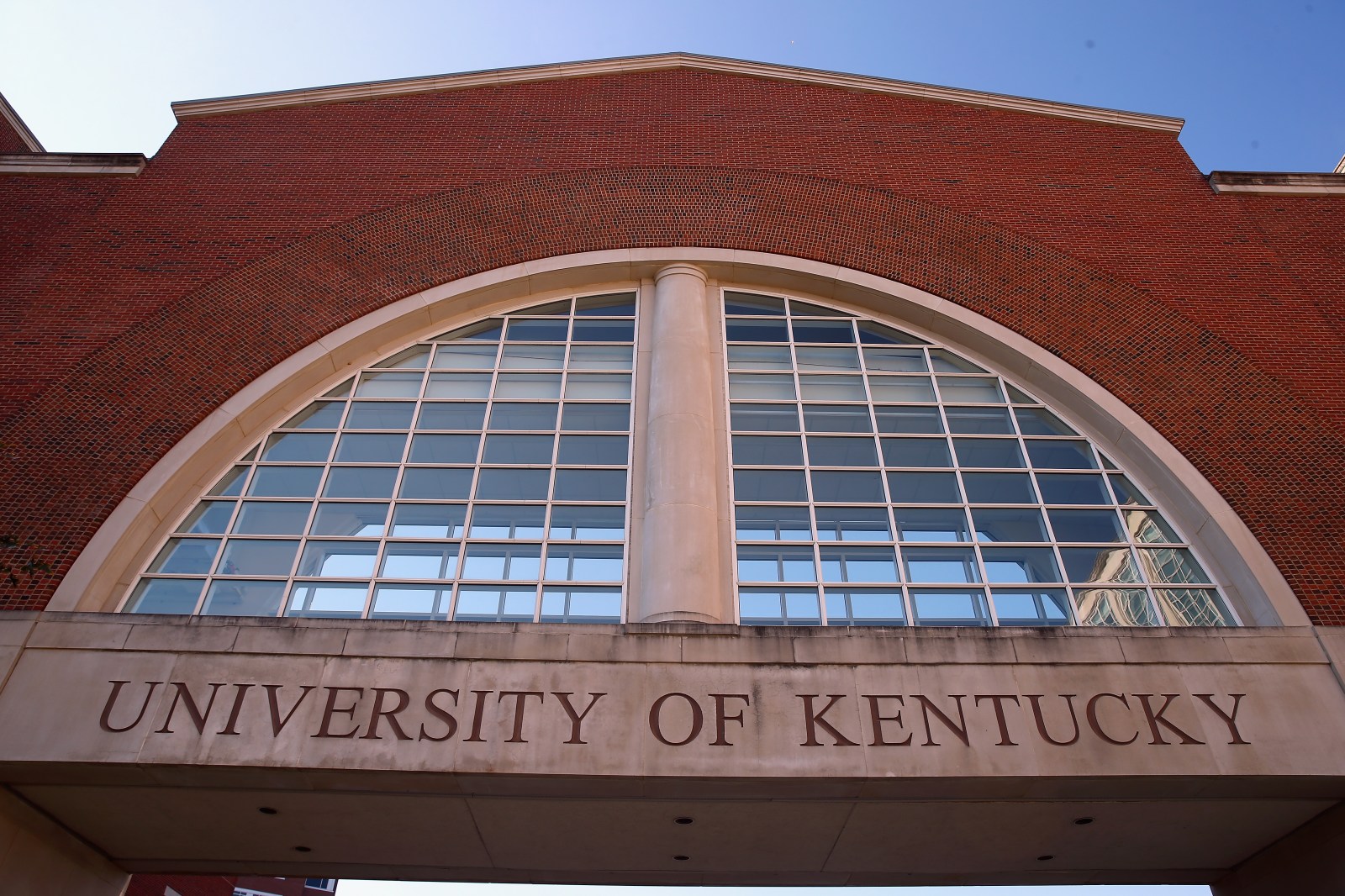
An employee at the University of Kentucky has been granted a religious accommodation that allows him to avoid using artificial intelligence (AI) in his work. David Durman, a research administrator responsible for editing grant applications and ensuring compliance, requested the exemption due to AI technology conflicting with his humanist beliefs.
Durman received approval from the university on September 25, supported by the American Humanist Association (AHA). The university confirmed that the accommodation would not place an undue burden on Durman’s department. According to the AHA, this case marks the first known workplace AI accommodation granted to a humanist.
The Push for AI in the Workplace
Durman’s accommodation was sought even though AI use wasn’t mandatory in his role. He expressed a preemptive concern that AI usage could become obligatory. This scenario highlights how employers increasingly integrate AI technologies. The University of Kentucky, for example, has embraced AI through its Commonwealth AI Transdisciplinary Strategy (CATS AI), intending to enhance AI accessibility across various university sectors.
Training efforts at the university’s AI hub had, by June, engaged more than 2,000 employees in learning programs. Microsoft cites the university’s adoption of tools like Microsoft 365 Copilot and GitHub Copilot, achieving widespread implementation.
Religious Accommodations and Legal Framework
Under U.S. law, Title VII of the Civil Rights Act of 1964 protects workers against religious discrimination and requires reasonable accommodations for employees’ religious practices, provided no undue hardship results. The Equal Employment Opportunity Commission (EEOC) clarifies that protection extends to those with sincerely held ethical or moral beliefs, regardless of the widespread nature or official organization of those beliefs.
In 2023, a Supreme Court decision in Groff v. DeJoy further specified that an undue hardship must involve substantial increased costs, not minor inconveniences.
Durman’s Humanist Perspective
Durman has been a humanist for three decades and views the enabling of human well-being and decision-making as key tenets of his belief system. His objection particularly concerns generative AI and large language models, which he associates with the transfer of cognitive skills to machines.
Though the accommodation releases him from direct AI use, it doesn’t entirely remove him from interaction with AI, as he may still need to engage in meetings or processes incorporating AI technology.
Wider Religious Debate on AI Usage
Durman’s situation arrives amid a broader discussion about AI’s implications among religious groups. Catholic perspectives, for example, caution against AI’s potential to compromise human dignity but do not universally oppose AI-tech usage in workplaces.
Ultimately, the decision on religious exemptions under Title VII emphasizes individual sincerely held beliefs rather than broad religious mandates.
Understanding Humanism
Humanism prioritizes human reasoning, ethical conduct, and self-determination, rejecting theistic viewpoints. While humanism embraces varied responses to AI, Durman’s case underscores individual actions based on personal conscience rather than collective doctrine.