
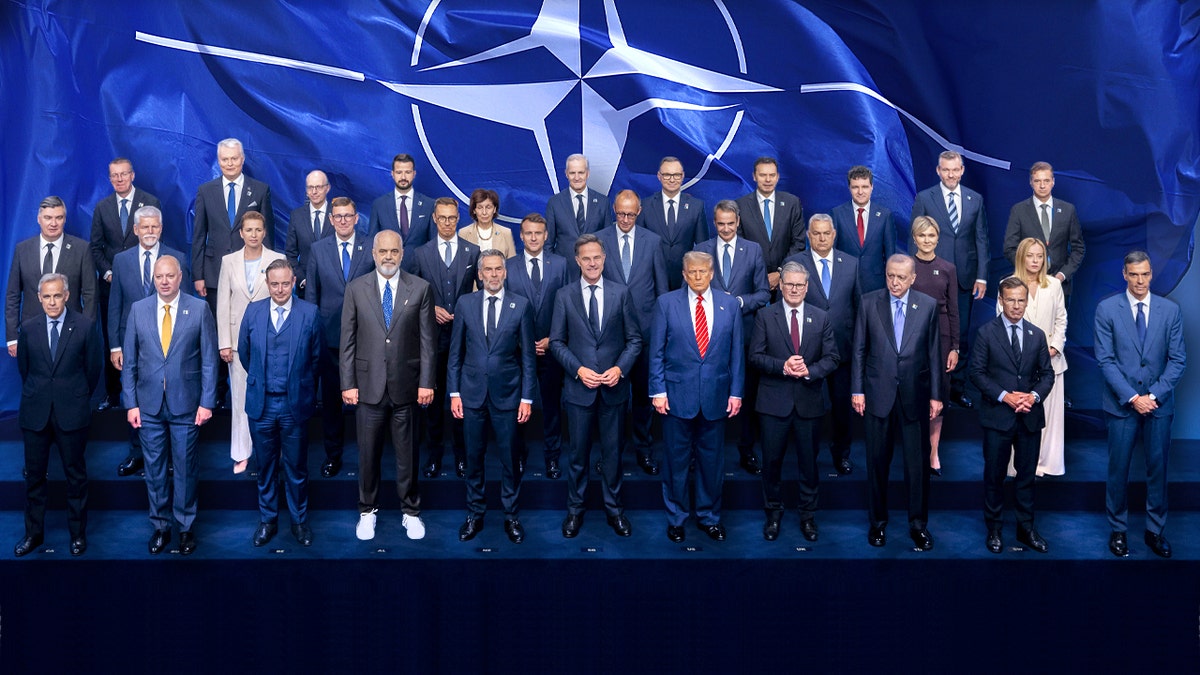
NATO members are increasing defense spending significantly, reaching levels not seen since the Cold War. This change is fueled by pressure from former President Donald Trump and heightened concerns over Russia’s actions in Ukraine. NATO leaders aim to allocate around 5% of GDP to defense budgets by 2035.
Trump’s Influence on NATO
Trump frequently criticized NATO allies for relying too much on U.S. military support without meeting their own defense spending commitments. His firm stance led to a focus on defense spending metrics within NATO, pushing countries to commit more resources to military investments.
Impact of Russian Aggression
Jim Townsend, who formerly held a position in the U.S. Department of Defense, highlighted two major factors that prompted increased defense spending. The first was Russia’s invasion of Ukraine, and the second was Trump’s approach. These factors accelerated the urgency among NATO members to ramp up their defense budgets.
Defense Spending Surge
Countries close to Russia, like Poland, Estonia, Latvia, and Lithuania, have rapidly increased their defense spending. Germany initiated a major rearmament process, seeking to rebuild its military capabilities with a special fund of 100 billion euros.
Challenges in Military Capability
Despite increased budgets, Townsend noted that spending alone does not immediately enhance military capabilities. NATO countries must balance their defense investments with actual military readiness and capability expansion.
Production and Supply Chain Constraints
The war in Ukraine demonstrated the swift depletion of ammunition and the limited capacity of peacetime defense industries. European defense industries, weakened after the Cold War, struggle to match current demand. This highlights the reliance on the U.S. for military technology and production.
Efforts to Expand European Defense Production
European nations, recognizing their dependence on U.S. military resources, are working to boost domestic production. As an example, Poland sought weapon systems from South Korea due to quicker delivery times. Some civilian industries are pivoting towards defense manufacturing.
Long-Term Outlook for NATO
The primary question remains if NATO can bridge its defense capability gaps swiftly enough to prevent Russian opportunism. Townsend warned about potential Russian advantages arising from these gaps in NATO defense strategies.