
In recent months, Bulgaria has experienced significant changes that have captured attention. The nation has adopted the euro and seen its leadership change due to major protests.
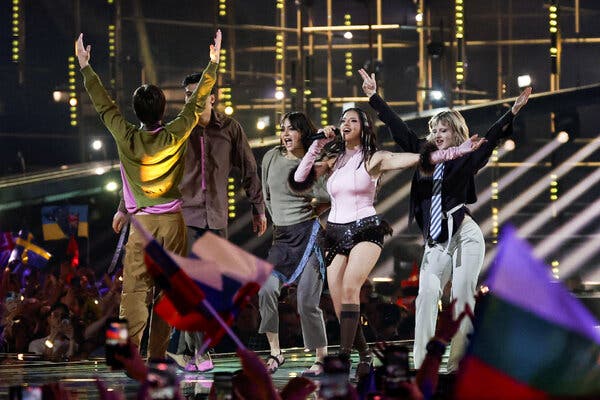
Bulgaria achieved a major cultural milestone by winning the Eurovision Song Contest for the first time. This victory coincides with the country’s broader efforts to establish itself as a key participant in European affairs.
Dara, Bulgaria’s representative in this year’s Eurovision Song Contest, claimed the title during the grand final in Vienna on Saturday night.
Prime Minister Rumen Radev highlighted the significance of the win, calling it a “Bulgarian victory with global resonance.” The achievement follows Bulgaria’s adoption of the euro and the election of a government committed to combating corruption.
The country has long sought to strengthen its position within the European Union. Since joining the bloc in 2007, Bulgaria has often been seen as on the fringes. However, joining the Schengen free travel area in 2025 marked a significant advancement.
Recently, protests led by mainly young Bulgarians called for political reform, which resulted in the resignation of the previous prime minister. This period of unrest preceded Bulgaria’s Eurovision triumph, signaling a time of change and renewal.
As the current Eurovision champion, Bulgaria will host the contest’s 2027 edition. This event will take place 20 years after Bulgaria became part of the E.U., marking another significant anniversary for the country.