
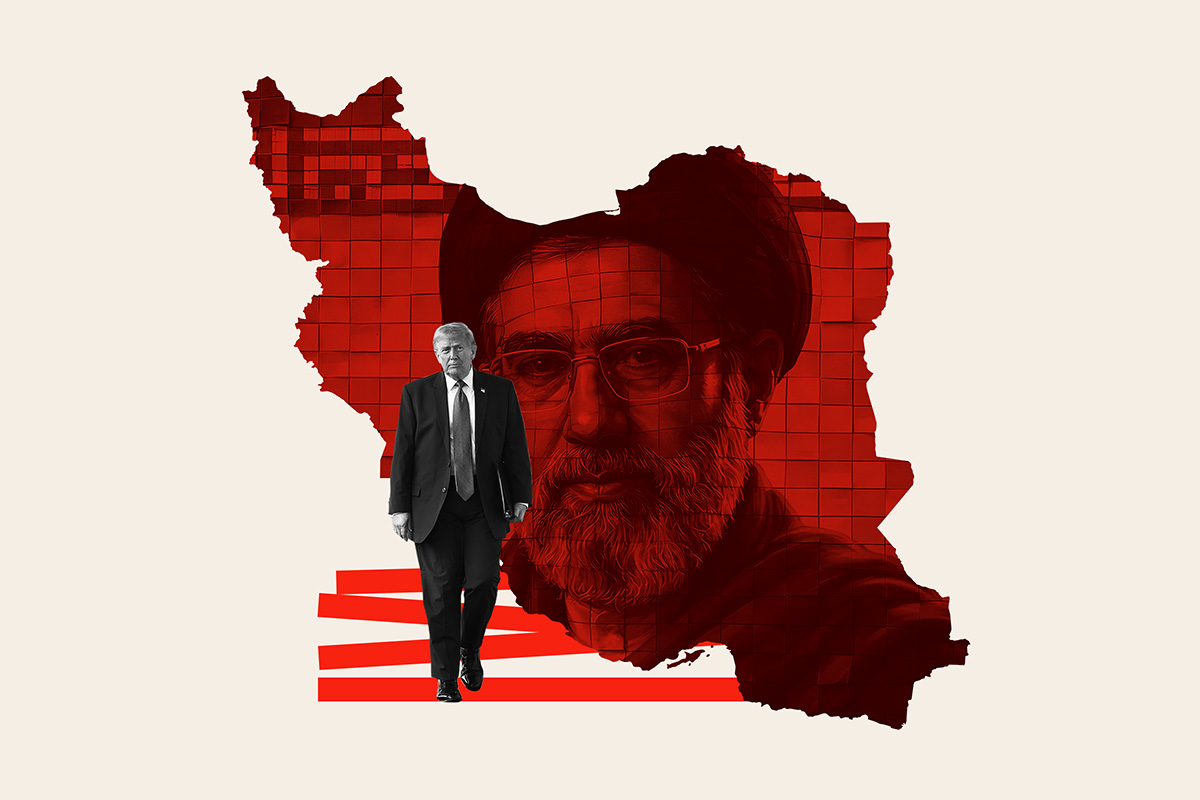
Nearly three months into the conflict between the U.S., Israel, and Iran, Tehran remains defiant. Despite facing substantial losses, including key leaders and military assets, Iran’s leadership continues to resist U.S. threats. The Iranian government has united to present strong demands to end the war on their terms, maintaining pressure on the U.S. and its allies.
Iran’s Strategy
Iran has managed to strategically position itself in the ongoing conflict. Barbara Slavin, a fellow at the Stimson Center, highlighted Iran’s control over the Strait of Hormuz and its strategic use of missile and drone capabilities. The control of the Strait impacts global oil markets, spreading economic discomfort worldwide.
The Iranian regime perceives the war as existential, ready to endure its economic toll, confident it can outlast U.S. pressure. The Iranian government’s resilience is evident despite the economic strain on its citizens.
U.S. Moves and Iranian Response
President Trump has postponed military actions, following appeals from Gulf Cooperation Council leaders. He expressed hope for a deal preventing Iran from acquiring nuclear weapons. However, Iranian negotiators remain firm, demanding U.S. military withdrawal and reparations.
Iran’s domestic economy suffers, yet the regime shows no clear signs of internal fissures. High-level defection is unlikely, with strong nationalistic ties bolstering regime support amid foreign aggression.
Historical and Strategic Context
Iran’s response is rooted in its Islamic and nationalistic ideologies. According to Amin Saikal, the Iranian system has historically consolidated around its government when faced with external threats. Control over strategic points like the Strait of Hormuz and international support from allies reinforces its stance.
Challenging Times for the White House
The Trump administration’s war objectives lack clarity, causing internal and external challenges. Saikal notes Trump’s shifting goals, aiming to outdo Obama’s nuclear deal, known as the JCPOA. However, Iran maintains its military and political strategies, complicating U.S. efforts to achieve its objectives.
Recent intelligence suggests Iran retains much of its missile capability and nuclear potential. Flexible Iranian strategies are perceived by the U.S. as weaknesses, prompting more stringent demands.
Domestic and Global Implications
Iran faces internal economic pressure, while Trump’s domestic approval declines, fueled by war opposition. Polls show significant public disapproval of the conflict, challenging Trump’s administration.
Analysts like Paul Pillar suggest the war might end unhindered for Iran, projecting Iranian resilience as their regime preserves power. Trump’s foreign and domestic challenges render the war a potential major blunder, possibly incentivizing Iran’s nuclear pursuits.