
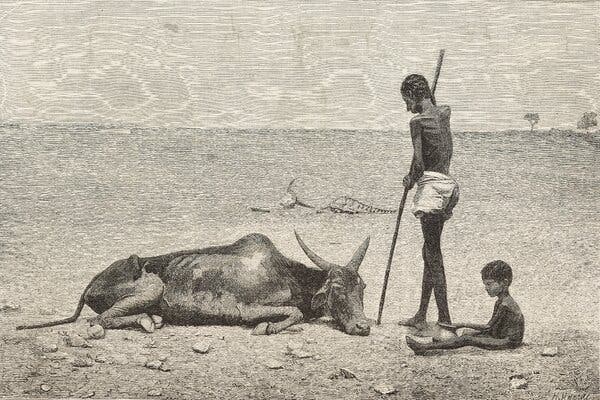
Historically, significant events have shaped human trajectories. Researchers note that an emerging episode carries historic significance too.
Understanding El Niño
El Niño refers to strong shifts in Pacific Ocean winds and water temperatures that profoundly affect global weather. These natural occurrences have historically led to severe droughts, heat waves, and increased epidemics.
Some scholars argue that El Niño has influenced political and economic instability. This includes events in ancient Egypt and the Moche civilization in Peru over a millennium ago. The famine of 1877-1878, exacerbated by El Niño, resulted in millions of deaths across tropical regions. This catastrophic event contributed to global inequalities, often labeled as ‘first world’ and ‘third world.’
Current El Niño Developments
Currently, the world braces for a new El Niño phase. Researchers warn that it may rank among the most intense on record, serving as a reminder of the potential chaos natural forces can wield.
Today’s El Niño is still developing, and its full impact is uncertain. Should predictions hold true, its effects will unfold in a world more resilient yet fraught with fresh challenges. Modern advancements have improved El Niño tracking through oceanic monitoring and early warning systems. Farmers employ advanced agricultural techniques, and countries maintain strategic grain reserves to counter food shortages.
Potential Challenges Ahead
Experts caution that an El Niño event could exacerbate existing global pressures. Fertilizer shortages, due to disruptions at the Strait of Hormuz, have already burdened farmers. Escalating energy prices, influenced by conflicts in Ukraine and Iran, strain national budgets. Aid reductions to poorer nations compromise international safety nets.