
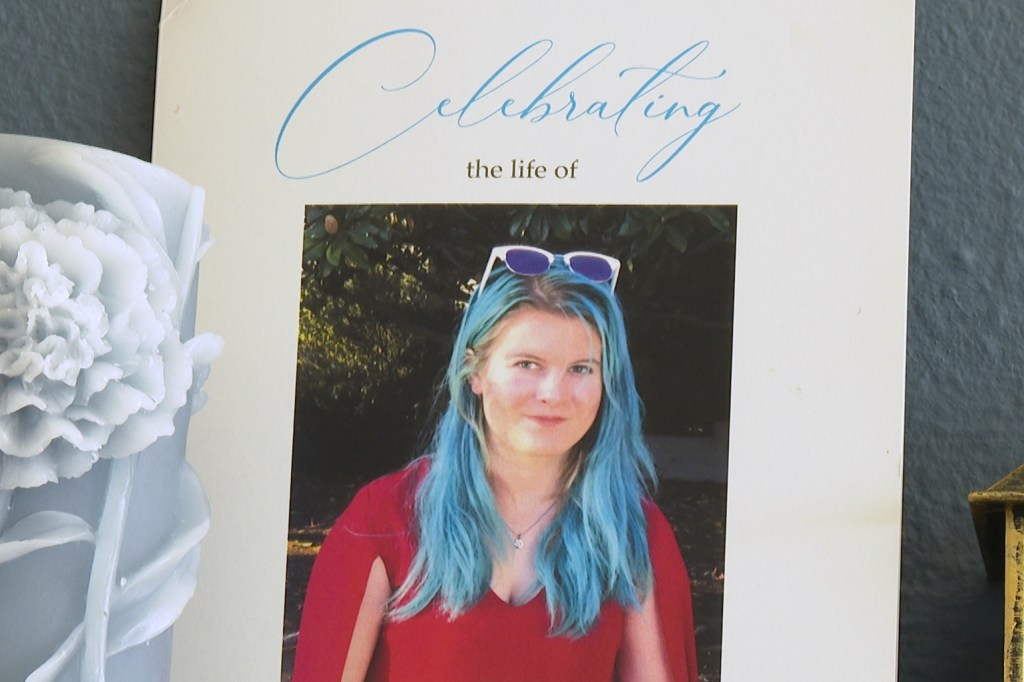
Luna Moore prioritized safety when she chose to take an Uber with her friend, Emily Normandin-Parker, in August 2023. They had been celebrating the end of summer at a bar in Southern California. But during their ride home, Moore felt nauseous as their Uber driver, Vu Tran, kept swerving lanes.
Without a bag, Moore rolled down the window and vomited. Rather than stopping safely, Tran pulled over in a dangerous spot along the freeway. He ordered them out and demanded a $300 cleaning fee. Stranded, Norman-Parker sought help on foot, but tragically entered traffic and was struck by a vehicle, losing her life at age 23.
In the following years, Moore had to face the loss of her friend while confronting troubling legal issues. Normandin-Parker’s parents filed wrongful death claims against Uber and Tran, while Moore pursued her claims.
During the legal process, Moore found the questioning invasive, covering her alcohol consumption, childhood medical history, clothing that night, and past sexual abuse. Uber denied conducting the questioning but records show Uber’s attorneys asked Moore about her mental health.
Lawyers say Uber’s approach isn’t unique, with passengers in other cases facing similar scrutiny over personal histories unrelated to their injuries. These tactics pressure claimants to drop their cases by making the process emotionally draining.
Uber defends its litigation practices, claiming to fairly assess evidence from both sides. Despite settling for $40 million collectively, with Moore receiving $300,000, no compensation can undo the emotional damage.
Attorneys claim that Uber’s strategy seems designed to place victims under extensive personal scrutiny. This tactic is evident even in unrelated lawsuits, pressuring plaintiffs to reveal intimate details about their pasts.
Legal experts argue that while probing past events relevant to claims is valid, Uber’s thorough demands often amount to fishing for irrelevant details. Plaintiffs bear the burden of fighting these demands, increasing their stress during recovery.
During litigation, Uber often explores complainants’ personal histories to an unusual extent. Survivors of sexual assault and routine accident passengers alike have faced requests for vast arrays of personal records.
Moore, despite the stress, stayed resolute. She refused to give in, driven by her love for Normandin-Parker. She desires that justice is served for others facing similar battles. When asked if she needed a break during emotional depositions, she persisted firmly.