
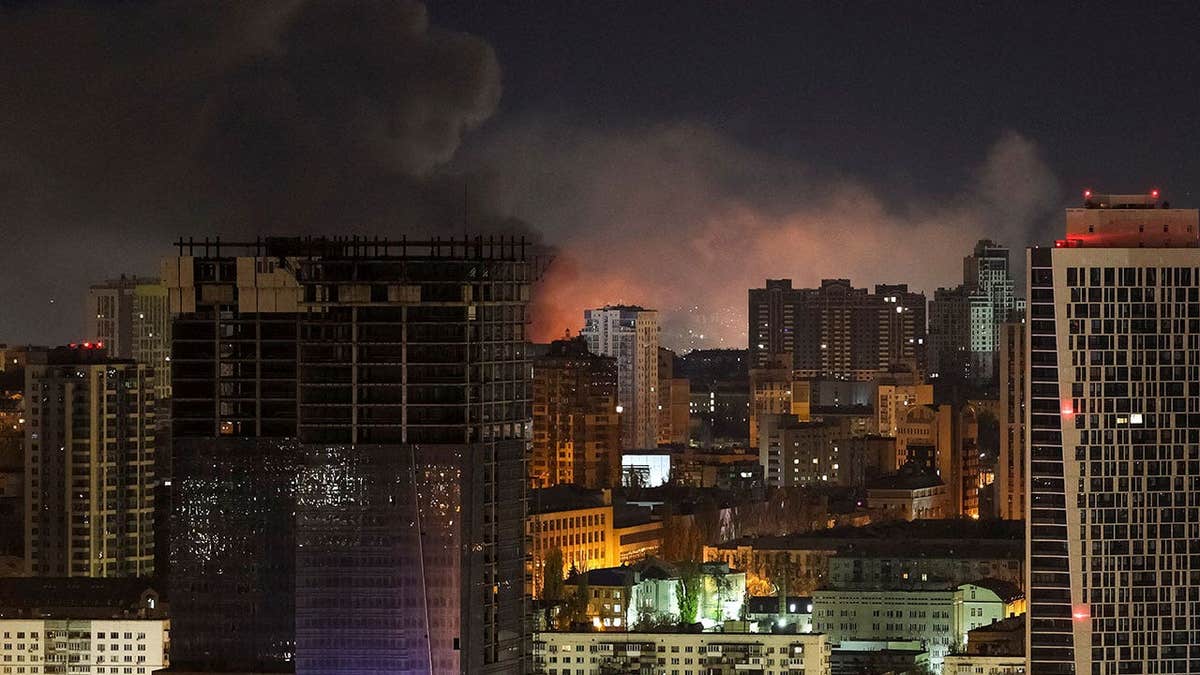
Russian President Vladimir Putin joined U.S. President Donald Trump and Chinese President Xi Jinping at a significant meeting in China, yet shortly after, Russia launched a large-scale attack on Ukraine. The assault resulted in the deaths of at least eight people, targeted three major bridges in Kyiv, and sent suspected missiles and a drone into NATO-member Poland.
This major offensive happened as the Trump administration announced progress towards expanding peace discussions with Russia. However, the overwhelming disparity between hopeful diplomacy and the conflict’s escalation became evident.
An intelligence source indicated Putin is planning a more intense winter military effort and believes ongoing battlefield pressure, combined with U.S.-led negotiations, might compel Ukraine to yield additional territory.
The source stated, ‘They are convinced Ukrainians will concede by spring,’ shedding light on Moscow’s strategic aspirations.
Despite Ukraine’s successful strikes on vital Russian infrastructures recently, military tensions are rising. Retired General Philip Breedlove noted Putin’s consistent military responses to Trump’s diplomatic overtures, emphasizing the Russian leader’s unwillingness to collaborate for peace.
Ukraine’s President Volodymyr Zelenskyy reported significant casualties and damage from the attack, as over 400 drones and more than 110 missiles targeted infrastructure across the nation. This event highlighted ongoing military challenges amid diplomatic discussions.
Russia confirmed the assault, targeting Ukraine’s military-industrial complex, yet independent verification of these claims remains pending. Notably, Putin had warned of retaliation following Ukrainian attacks on the Kerch Bridge, a strategic and symbolic target for Russia.
The conflict’s scope widened as Poland confirmed Russian missile incursions into its airspace, prompting calls for increased NATO support. Breedlove pointed out this as part of Russia’s continual testing of NATO’s limits.
While diplomatic negotiations progress, the clarity of Russia’s intentions remained ambiguous. Moscow seemed inclined to broaden discussions to include European security arrangements, leveraging negotiations as part of a broader strategy.
Amid these diplomatic moves, Russia’s recruitment relies on expanding troop numbers by targeting vulnerable individuals facing financial strains or social challenges, with little emphasis on training quality.
This dynamic continues to complicate U.S.-led peace initiatives, as Russia’s aggressive military posture persists against the backdrop of ongoing negotiations. These developments underscore complex challenges for international relations and the growing risks for NATO.