
The ongoing legal battle involving artificial intelligence (AI) is challenging established copyright principles and raising questions about AI policy under the Trump administration. Several news agencies, such as The New York Times, are suing tech firms OpenAI and Microsoft. They claim these companies violated copyright laws by using millions of newspaper articles to train AI models.
The tech firms argue that their actions fall under ‘fair use,’ a legal principle that allows certain uses of copyrighted material without consent or compensation. The Department of Justice (DOJ) supports OpenAI’s stance. This represents a shift from the administration’s usual balanced perspective, advocating a broad interpretation of fair use that permits AI companies extensive access to copyrighted data for training.
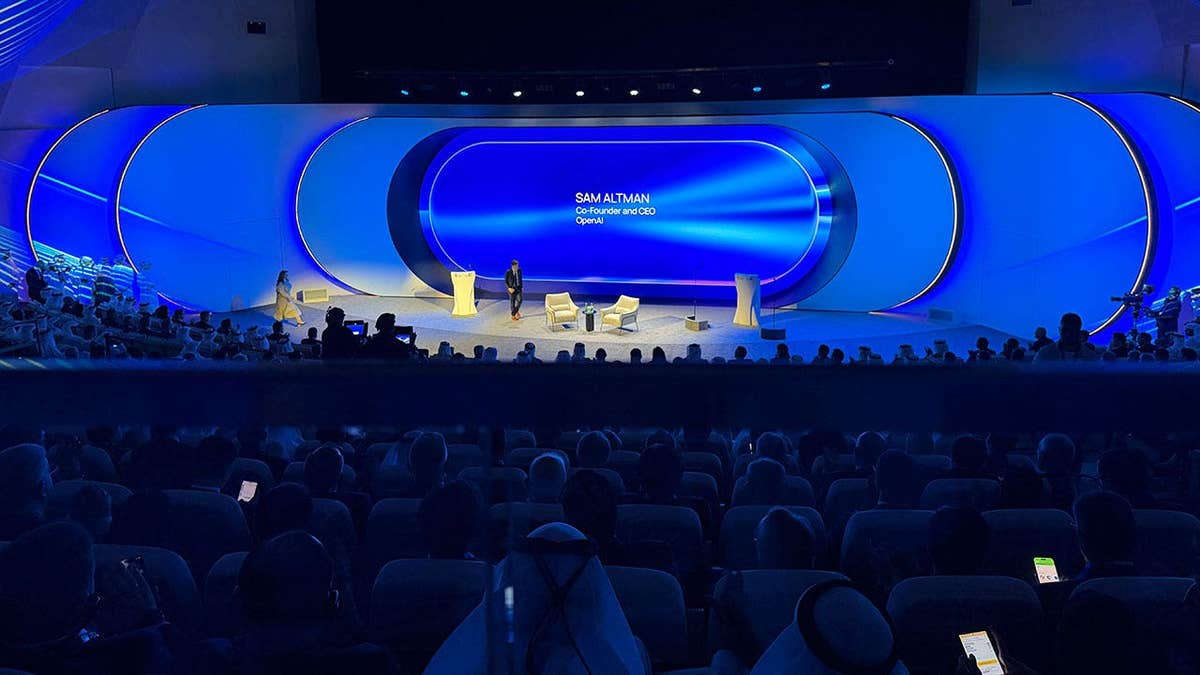
This interpretation could change a limited copyright exception into a general exemption for large industries. OpenAI’s CEO Sam Altman has been involved in partnerships bringing AI into various sectors, highlighting the potential reach of AI in traditional industries.
The DOJ argues that paying for a copyright license would burden AI developers financially, potentially disadvantaging smaller companies and impacting U.S. AI leadership and security.
These concerns are noteworthy. However, the DOJ’s stance contrasts with the more nuanced views in other administration areas. For example, the White House AI framework highlights the complexities of AI and copyright law. The Carolina Principles for Emerging Technologies adopted by G20 ministers underlines the importance of copyright protections in nurturing creativity.
Startups in the AI sector suggest that paying for materials offers better access and reduces legal risks. These startups emphasize that large AI firms have the resources to pay for copyrighted content. Doing so could help establish licensing markets, which are lacking.
Ignoring intellectual property rights in the context of AI development is controversial. Such rights are akin to property rights under the law, which dictate compensation when property is used for public purposes. Allowing AI firms unrestricted access to copyrighted materials without payment undermines these principles and could stifle creative output, negatively affecting the economy.
If courts adopt the DOJ’s position, the motivation to create original works may decline. Copyright laws facilitate the creation of artistic works by assuring creators their rights are protected. Licensing plays a crucial role in revenue generation, supporting a significant portion of the national economy.
Weaker copyright laws might result in fewer original creations, impacting the quality of materials available for AI training. This outcome would not benefit AI development, nor would it serve creators’ interests.
Therefore, the logical approach is to let courts handle these disputes individually, without advocating for extensive fair use exceptions. The DOJ’s perspective posits that licensing costs may heavily impact smaller businesses and the national AI standing.
Legislative solutions like the bipartisan CLEAR Act aim to address these challenges. Proposed by Senator Adam Schiff and Senator John Curtis, the act would require disclosure of copyrighted works used in AI training. While this doesn’t define fair use, it increases transparency and allows creators to seek redress.
This kind of reform helps align AI innovation with respecting creators’ rights, encouraging a fair licensing marketplace. Effective policy should balance fostering AI development with protecting America’s creative sectors. Both innovation and strong copyright protections are essential for future growth.
Coke Morgan Stewart, president of the Council for Innovation Promotion, emphasizes the importance of achieving this balance. Her background includes roles within the U.S. Patent and Trademark Office.