
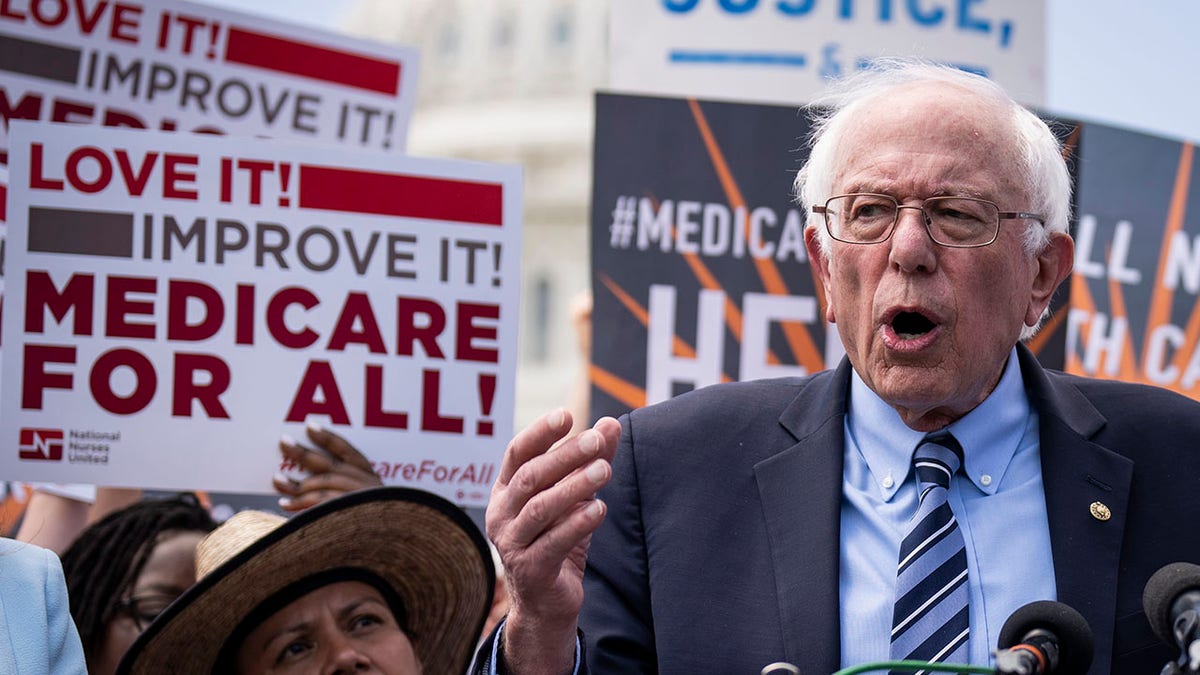
The concept of ‘Medicare for All’ proposes eliminating health insurance costs like premiums, deductibles, and copayments by covering healthcare through federal funding. While appealing, it involves significant financial implications.
Healthcare Access vs. Financial Reality
Medicare for All suggests free healthcare at the point of service, but the expenses don’t disappear. Instead, the financial burden shifts to taxpayers. Services from doctors and hospitals still incur costs, which ultimately reflect elsewhere, typically in increased payroll taxes or income surtaxes.
“The plan promises no premiums but results in increased taxes, highlighting the financial complexities of healthcare reform.”
Financial Projections and Challenges
The Congressional Budget Office has explored single-payer systems, estimating an additional $1.5 trillion to $3 trillion in annual federal spending by 2030. This could total $30 trillion over a decade. The government, already in debt exceeding $40 trillion, faces taking on further financial responsibility.
The government collects about $5.4 trillion annually, implying a significant discrepancy in funding requirements. Possible solutions include substantial payroll or income tax increases, impacting families based on their financial status and healthcare needs.
Healthcare Demand and Supply Imbalance
Guaranteed healthcare for all might increase demand, benefiting those currently underserved. However, it raises questions about supply. With existing shortages in healthcare professionals, heightened demand could lengthen wait times for appointments.
If reimbursement rates decrease to manage costs, hospitals and doctors might face additional pressures. The pledge of universal appointment availability does not solve current workforce limitations.
Impact on Existing Coverage and Systems
Many Americans rely on employer-sponsored health insurance, expected to cover nearly half the population by 2026. Medicare for All would overhaul this system, altering benefits, networks, and employer responsibilities. The potential elimination of premiums or deductibles proposes a generosity surpassing traditional Medicare, accompanied by higher costs.
Economic Considerations
The discussion around Medicare for All often centers on coverage eligibility, overshadowing critical financial queries about delivering cost-effective, quality care. The U.S. healthcare expenditure reached $5.3 trillion in 2024, necessitating solutions for reducing costs related to administration, drugs, and overall care access.
A single-payer system might target these areas yet doesn’t guarantee savings or efficiency. Transition complexities add layers to the implementation challenge. Policymakers must consider the broader economic impacts and sustainability.
The essential inquiry isn’t about the entitlement to healthcare but about funding and managing a vastly expanded system without aggravating economic constraints.