
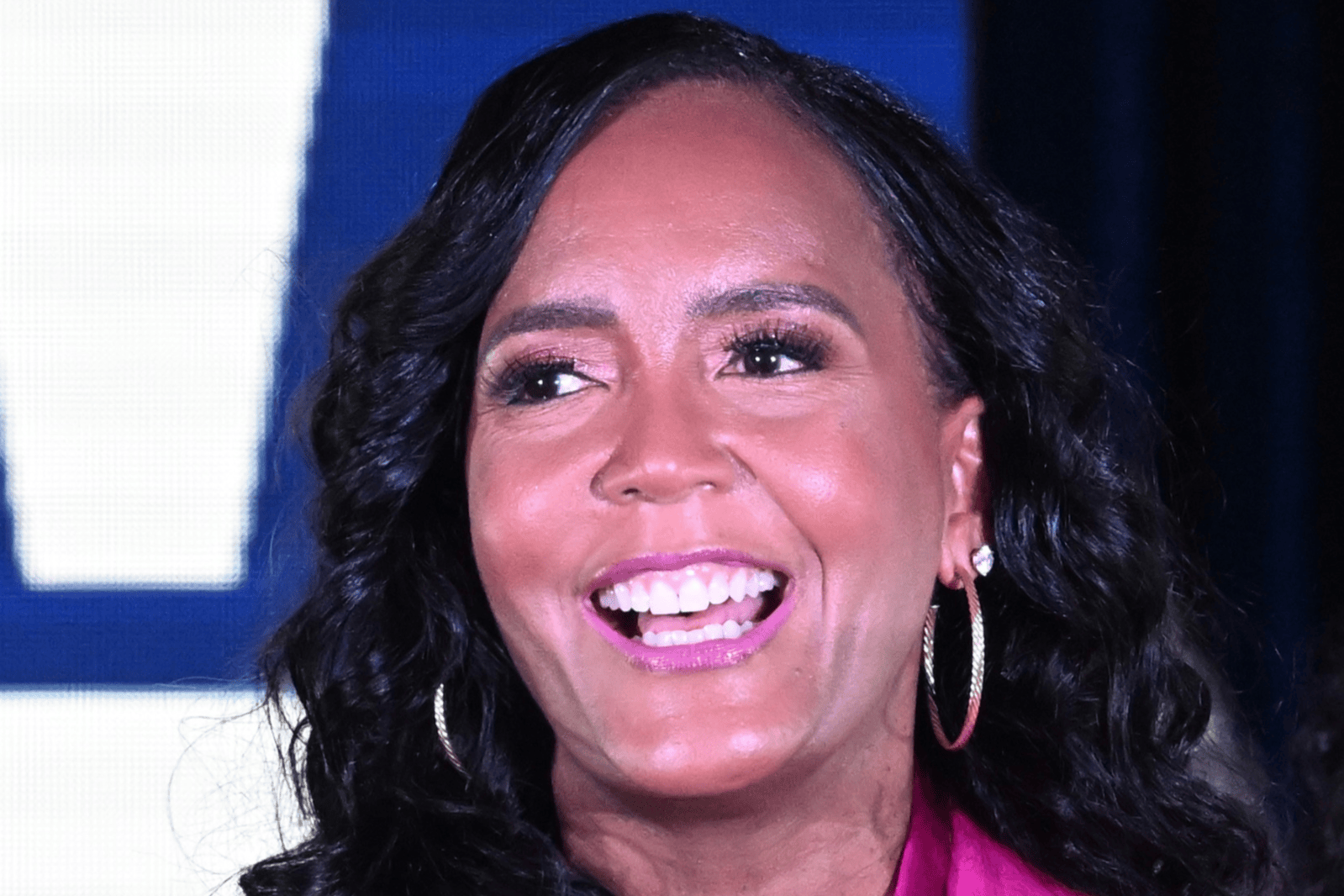
Governor-elect Keisha Lance Bottoms is gearing up for a push to expand Medicaid in Georgia starting in January. Hundreds of thousands of uninsured adults in the state could benefit from this initiative. Lance Bottoms prioritized Medicaid expansion on November 18 while unveiling her senior transition staff and seven policy committees tasked with shaping her first budget and legislative agenda.
“We have important work ahead to deliver for Georgians by reducing costs, expanding Medicaid, and building a stronger future for the next generation,” she declared.
This victory provides a pathway for the policy through the governor’s office and the state House, but Republicans still control the Senate, allowing them to block or alter any bill. Groups like low-income workers, parents, rural residents, and people with disabilities could gain coverage, though new federal rules may hinder some eligible individuals from enrolling.
Newsweek reached out to the Lance Bottoms campaign for further comment.
Why It Matters
Georgia is one of 10 states that have not fully expanded Medicaid under the Affordable Care Act. This leaves it with a significant unresolved health policy issue. Expansion would allow qualifying adults earning up to 138% of the federal poverty level, around $22,000 for an individual in 2026, to join the program. The federal government would cover 90% of their costs while the state funds the remainder.
An analysis by the Center on Budget and Policy Priorities using 2024 census data estimates that 347,000 uninsured Georgians could qualify. This includes 255,000 people in working families, 103,000 parent caregivers, 55,000 adults with disabilities, and 77,000 rural residents. The estimate does not include the impact of new work requirements, which could exclude some and create paperwork barriers for others.
Key Points
- Democrats will control Georgia’s governorship and House, while Republicans hold a 29-27 Senate majority.
- President Donald Trump’s One Big Beautiful Bill Act removed financial incentives for states to expand Medicaid and imposed stricter financing terms on those adopting the policy.
- A federal work mandate will require many enrollees to document at least 80 hours of employment or another qualifying activity each month.
Keisha Lance Bottoms Is Preparing To Govern
The “Better Care. Healthier Georgia” committee from the incoming administration will focus on health and human services, working with agency leaders to suggest steps following the transition from Governor Brian Kemp.
To translate this broad goal into viable legislation, cooperation in a divided government is essential. Democrats won the state House 92-87, with one race pending a runoff. Securing Republican support in the Senate is crucial for any measure to reach Bottoms’ desk.
Republican state Senator Russ Goodman has previously backed expansion efforts. “You can’t commit to anything until you see it,” Goodman said, according to News From the States. “I’d be a fool to do that. But I mean, I’ve been open to the idea all along.”
The Georgia Republican Party’s post-election strategy includes negotiating wider coverage “on Georgia terms,” emphasizing work requirements and private insurance plans.
Trump Changed The Calculation
Even with state-level coalition efforts, Medicaid expansion in Georgia faces rules unlike those encountered by earlier adopters.
Trump’s One Big Beautiful Bill Act, enacted in July 2025, is set to reduce federal Medicaid spending by nearly $1 trillion, complicating states’ efforts to raise revenue via taxes on healthcare providers. The legislation freezes new provider taxes at their 2025 levels and lowers limits on levies generating states’ Medicaid funding shares beginning in fiscal year 2028. These changes are projected to decrease federal spending by $226 billion from 2025 to 2034.
This presents a challenge for Georgia hospitals, balancing fewer uninsured patients with decreased payments for those moving from private insurance to Medicaid. Caylee Noggle of the Georgia Hospital Association noted that it involves “benefits and trade-offs to traditional expansion,” as per Capital B News.
Paperwork Could Narrow The Reach
Georgia’s current Pathways to Coverage program highlights the challenges of managing health insurance linked to employment reporting. It enrolled only 15,000 people out of an estimated 240,000 eligible, according to a March 2026 analysis by the Center on Budget and Policy Priorities.
Ryan Loke of Grady Health System expressed confidence at an Atlanta Regional Collaborative for Health Improvement event that the General Assembly would expand Medicaid in 2027. However, he criticized the outdated Medicaid eligibility system likening it to “Windows 97” and lamenting the enrollment process as cumbersome.
Jen Wagner from the Center on Budget and Policy Priorities emphasized the need for Georgia to enhance its online application system and streamline verification processes to approach its potential enrollment numbers.
The federal government has allowed states additional time. A directive from the Centers for Medicare & Medicaid Services permits states to delay Medicaid coverage denial or termination due to unmet work requirements until June 30, 2027, providing time to refine their systems.
This leaves Bottoms with three challenges: securing Republican support, devising a financing model acceptable to hospitals, and developing an efficient enrollment system to prevent eligible individuals from being lost in the paperwork.
What Happens Next
For Georgians needing medical services, the true measure of success is simple: achieving political breakthroughs at the Capitol that result in accessible insurance coverage.
Newsweek’s reporters and editors used Martyn, our AI assistant, to produce this story. Learn more about Martyn here. Contact Newsweek editor on this story: Edward Pearcey.